

Hormuz shipping faces new pressure as Iran escalates attacks

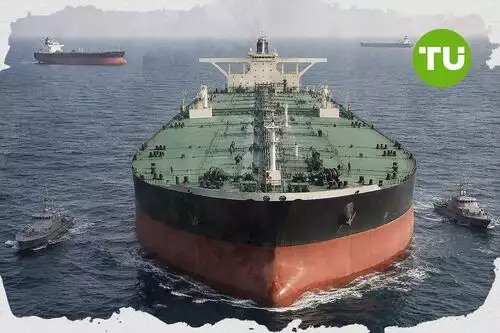
Oil prices rose on Wednesday as an accelerating series of attacks on vessels in the Strait of Hormuz renewed concern over a shipping route that is carrying increasingly large volumes of Middle Eastern crude. The escalation comes just as oil flows through the waterway have moved closer to levels seen before the Iran war.
Highlights
- Nine Hormuz attacks have been reported this month.
- Mideast oil flows are around 80% of prewar levels.
- Gulf-to-China tanker rates reached $1.3 million a day.
UK Maritime Trade Operations has recorded nine attacks in the waterway this month, already half the total reported across the Strait of Hormuz and Persian Gulf during September. The recent increase in incidents has yet to cause a clear reduction in shipments, leaving physical supply and security risks pulling the market in opposite directions, Bloomberg reports.
More oil is moving despite attacks
Oil flows through Hormuz and have recovered steadily since the summer. Major commodity traders estimate Middle Eastern shipments at roughly 80% of prewar levels, while some Wall Street banks said last week that volumes were approaching their prewar pace.
LNG traffic has also increased, although more slowly. Gas shipments depend on a smaller fleet of specialized carriers, making them more difficult to restore when shipowners view the route as unsafe.
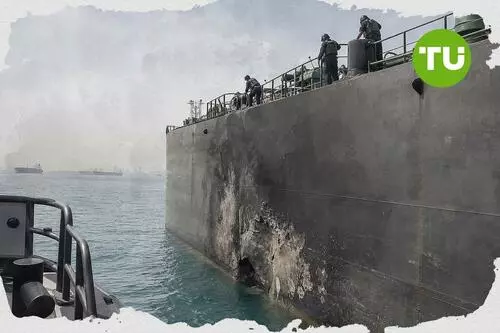
The latest attacks underline that risk. Oman said Tuesday it rescued 10 crew members from the oil tanker On Peace after the vessel was attacked and caught fire. Many ships are crossing near the Omani coast with their digital tracking signals switched off, complicating efforts to measure actual flows.
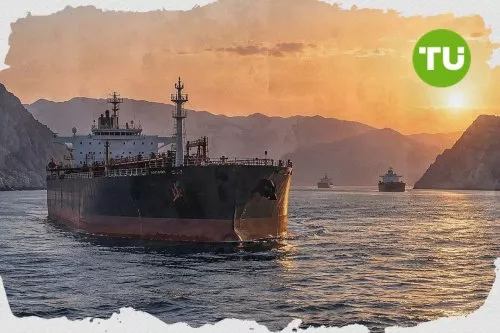
The danger is increasingly visible in transportation costs. The price of moving oil from the Persian Gulf to China reached a record $1.3 million a day on Monday, compared with an average near $60,000 a day last year, as fewer shipowners remain willing to enter the strait.
Diplomacy remains tied to Hormuz access
The shipping confrontation is also connected to negotiations between Washington and Tehran over ending the seven-month war and restoring safer passage through Hormuz. U.S. Vice President JD Vance said Washington requires a meaningful reduction in Iranian uranium-enrichment capacity as part of any agreement.
Vance said U.S. officials have been communicating with Iranian President Masoud Pezeshkian and Foreign Minister Abbas Araqchi, while uncertainty remains in Washington over Iran's decision-making structure. Tehran has disputed that characterization.
Energy costs have increased the economic stakes of the negotiations. Consuming nations have announced releases from emergency oil reserves, while higher crude prices are feeding concerns about inflation and the possibility of tighter monetary policy in major economies.
Oil rises as security risk returns
Oil moved higher Wednesday as traders weighed stronger physical supply against the rising frequency of vessel attacks. Brent crude traded at $101.44 a barrel, up 0.37%, while WTI rose 0.18% to $90.08, according to the latest market readings.
The relatively modest gains show the competing forces shaping prices. Recovering exports are providing more barrels to the market, but every additional tanker crossing Hormuz is exposed to a route where attacks have accelerated and shipping costs have surged. A sustained disruption would quickly change that balance, particularly as Northern Hemisphere winter demand approaches.
Earlier, we reported that Kuwait pumps more oil as tanker traffic through Hormuz grows.






Latest Iran war News


-
 Afghanistan
-
 Albania
-
 Algeria
-
 Angola
-
 Argentina
-
 Armenia
-
 Australia
-
 Austria
-
 Azerbaijan
-
 Bahamas
-
 Bahrain
-
 Bangladesh
-
 Belarus
-
 Belgium
-
 Bolivia
-
 Botswana
-
 Brazil
-
 Brunei
-
 Bulgaria
-
 Cambodia
-
 Cameroon
-
 Canada
-
 Chile
-
 China
-
 Colombia
-
 Congo
-
 Costa Rica
-
 Cote d'Ivoire
-
 Croatia
-
 Cuba
-
 Cyprus
-
 Czechia
-
 DR Congo
-
 Denmark
-
 Dominican Republic
-
 Ecuador
-
 Egypt
-
 El Salvador
-
 Estonia
-
 Eswatini
-
 Ethiopia
-
 Finland
-
 France
-
 Georgia
-
 Germany
-
 Ghana
-
 Greece
-
 Haiti
-
 Hong Kong
-
 Hungary
-
 India
-
 Indonesia
-
 Iran, Islamic republic
-
 Iraq
-
 Ireland
-
 Israel
-
 Italy
-
 Jamaica
-
 Japan
-
 Jordan
-
 Kazakhstan
-
 Kenya
-
 Korea
-
 Kuwait
-
 Kyrgyzstan
-
 Laos
-
 Latvia
-
 Lebanon
-
 Lesotho
-
 Libya
-
 Lithuania
-
 Luxembourg
-
 Madagascar
-
 Malaysia
-
 Malta
-
 Mauritius
-
 Mexico
-
 Moldova
-
 Mongolia
-
 Montenegro
-
 Morocco
-
 Mozambique
-
 Myanmar
-
 Namibia
-
 Nepal
-
 Netherlands
-
 New Zealand
-
 Nigeria
-
 North Macedonia
-
 Norway
-
 Oman
-
 Pakistan
-
 Palestine
-
 Panama
-
 Papua New Guinea
-
 Paraguay
-
 Peru
-
 Philippines
-
 Poland
-
 Portugal
-
 Puerto Rico
-
 Qatar
-
 Reunion
-
 Romania
-
 Rwanda
-
 Saudi Arabia
-
 Serbia
-
 Singapore
-
 Slovakia
-
 Slovenia
-
 Somalia
-
 South Africa
-
 Spain
-
 Sri Lanka
-
 Sweden
-
 Switzerland
-
 Syria
-
 Taiwan
-
 Tajikistan
-
 Tanzania
-
 Thailand
-
 Trinidad and Tobago
-
 Tunisia
-
 Turkey
-
 UAE
-
 Uganda
-
 Ukraine
-
 United Kingdom
-
United States
-
 Uruguay
-
 Uzbekistan
-
 Venezuela
-
 Vietnam
-
 Yemen
-
 Zambia
-
 Zimbabwe
- Forex
- Crypto












