

UK sets out sanctions, defence and EU summit agenda in Commons statement

Britain is presenting a broader foreign and economic policy push after the United Nations General Assembly, combining support for Ukraine with new security measures and a renewed effort to reset ties with the EU. Prime Minister Andy Burnham says the agenda includes tougher pressure on Russia and Iran, operational backing for Saudi Arabia, and negotiations he says could add more than 10 billion pounds a year to the UK economy by 2040.
Highlights
- UK's new sanctions package targets over 90% of Russia's oil production, following intensified Russian attacks on Ukraine in recent weeks.
- Burnham projects UK-EU summit measures, including a food and drink trade deal and energy system links, could add over £10 billion annually to the UK economy by 2040.
- Proposed UK-EU agreement could eliminate export health certificates for small businesses, reduce shipment costs, and lower wholesale energy costs in Northern Ireland by 20%.
Commons update on security and diplomacy
As reported by GOV.UK, Burnham tells the House of Commons that Russian attacks on Ukraine have intensified in the three weeks since his meeting with President Volodymyr Zelenskyy in New York, prompting fresh UK funding and a new sanctions package that now covers more than 90% of Russia's oil producing capacity under UK sanctions.He also welcomes President Trump's announcement of a reciprocal energy ceasefire, saying Zelenskyy has assured him Ukraine would implement it immediately once a start date is confirmed. Burnham adds that NATO remains a defensive alliance but says the UK will meet its commitments in full and deepen work with allies against hybrid threats, including through a new partnership agreed with German Chancellor Friedrich Merz in Berlin.
The prime minister says Britain is committing to establish a National Centre for Information Defence and is open to Germany joining the Global Combat Air Programme alongside Italy and Japan. He also says the UK has sent air defence and a Voyager aircraft to Saudi Arabia for air-to-air refuelling support, with the aircraft already completing 14 operational missions.
On Iran, Burnham says the government's assessment is that the incident at RAF Fairford is highly likely to have been coordinated in Iran and almost certainly directed by the Islamic Revolutionary Guard Corps. He says the UK will use its full range of powers against criminal networks and funding streams linked to Tehran and bring further sanctions to restrict the capacity of Iran and the IRGC to do harm in Britain.
EU summit talks focus on growth and border controls
Burnham says he also held a positive meeting in New York with European Commission President Ursula von der Leyen and confirms that the next UK-EU summit will take place in Brussels on 20 November. He says the talks are aimed at boosting growth and controlling illegal immigration through a package that includes a food and drink trade deal, emissions trading, progress on linking energy systems, a youth experience scheme and deeper cooperation on migration enforcement.He says the measures under discussion could add the equivalent of more than 10 billion pounds per year to the UK economy by 2040, with scope for further gains. Burnham argues that easing border frictions would reduce costs for farming and food exporters, citing losses for Scottish salmon and restrictions affecting fresh meat, seed potatoes from Scotland and shellfish from Wales.
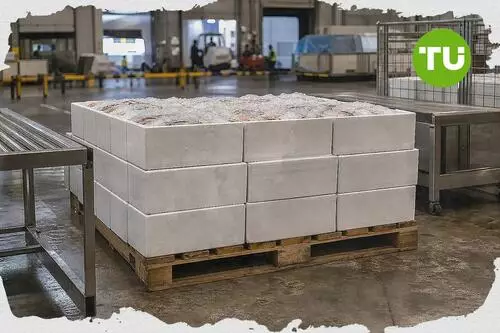
According to Burnham, a deal could remove export health certificates for small businesses, lower shipment costs for producers and ease supermarket price pressure for households. He adds that the proposed energy arrangements could cut wholesale energy costs in Northern Ireland by 20%, while closer law enforcement cooperation with the EU could improve data sharing, access to criminal records and electronic evidence gathering in cases linked to people-smuggling gangs.
Looking beyond Europe, Burnham says the UK is preparing to place artificial intelligence at the centre of its G20 presidency in 2027, with the aim of advancing global principles and standards while managing the technology's risks. He presents that plan as part of a wider message that Britain is seeking a larger and more stable role on the global stage.
Our earlier article on the RAF Fairford security incident outlined the UK government’s assessment that the episode was highly likely coordinated in Iran and almost certainly directed by the Islamic Revolutionary Guard Corps. We reported that Prime Minister Andy Burnham said the UK would use its full range of powers to pursue criminal networks and funding streams linked to Tehran, alongside preparing further sanctions to curb Iran and the IRGC’s ability to do harm in Britain.





Latest Trade Deals News




-
 Afghanistan
-
 Albania
-
 Algeria
-
 Angola
-
 Argentina
-
 Armenia
-
 Australia
-
 Austria
-
 Azerbaijan
-
 Bahamas
-
 Bahrain
-
 Bangladesh
-
 Belarus
-
 Belgium
-
 Bolivia
-
 Botswana
-
 Brazil
-
 Brunei
-
 Bulgaria
-
 Cambodia
-
 Cameroon
-
 Canada
-
 Chile
Chile
-
 China
China
-
 Colombia
-
 Congo
Congo
-
 Costa Rica
-
 Cote d'Ivoire
-
 Croatia
-
 Cuba
Cuba
-
 Cyprus
-
 Czechia
-
 DR Congo
-
 Denmark
-
 Dominican Republic
-
 Ecuador
-
 Egypt
Egypt
-
 El Salvador
-
 Estonia
-
 Eswatini
-
 Ethiopia
-
 Finland
-
 France
-
 Georgia
-
 Germany
-
 Ghana
Ghana
-
 Greece
-
 Haiti
Haiti
-
 Hong Kong
-
 Hungary
-
 India
India
-
 Indonesia
-
 Iran, Islamic republic
-
 Iraq
Iraq
-
 Ireland
-
 Israel
-
 Italy
Italy
-
 Jamaica
-
 Japan
Japan
-
 Jordan
-
 Kazakhstan
-
 Kenya
Kenya
-
 Korea
Korea
-
 Kuwait
-
 Kyrgyzstan
-
 Laos
Laos
-
 Latvia
-
 Lebanon
-
 Lesotho
-
 Libya
Libya
-
 Lithuania
-
 Luxembourg
-
 Madagascar
-
 Malaysia
-
 Malta
Malta
-
 Mauritius
-
 Mexico
-
 Moldova
-
 Mongolia
-
 Montenegro
-
 Morocco
-
 Mozambique
-
 Myanmar
-
 Namibia
-
 Nepal
Nepal
-
 Netherlands
-
 New Zealand
-
 Nigeria
-
 North Macedonia
-
 Norway
-
 Oman
Oman
-
 Pakistan
-
 Palestine
-
 Panama
-
 Papua New Guinea
-
 Paraguay
-
 Peru
Peru
-
 Philippines
-
 Poland
-
 Portugal
-
 Puerto Rico
-
 Qatar
Qatar
-
 Reunion
-
 Romania
-
 Rwanda
-
 Saudi Arabia
-
 Serbia
-
 Singapore
-
 Slovakia
-
 Slovenia
-
 Somalia
-
 South Africa
-
 Spain
Spain
-
 Sri Lanka
-
 Sweden
-
 Switzerland
-
 Syria
Syria
-
 Taiwan
-
 Tajikistan
-
 Tanzania
-
 Thailand
-
 Trinidad and Tobago
-
 Tunisia
-
 Turkey
-
 UAE
UAE
-
 Uganda
-
 Ukraine
-
 United Kingdom
-
United States
-
 Uruguay
-
 Uzbekistan
-
 Venezuela
-
 Vietnam
-
 Yemen
Yemen
-
 Zambia
-
 Zimbabwe
- Forex
- Crypto












