

Philippines central bank plans polymer banknote production in 2027

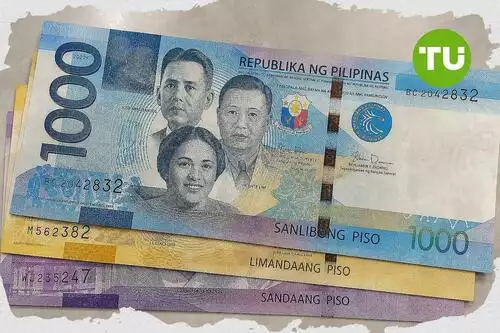
The Bangko Sentral ng Pilipinas is preparing to bring production of its polymer banknote series onshore in 2027 as it seeks to cut dependence on imported supply. The move would add local capacity for the First Philippine Polymer notes, although the central bank says it still expects to source some bills from Australia to meet demand.
Highlights
- BSP targets launch of local polymer banknote production by 2027, aiming for output of 500 million pieces per year with one dedicated line.
- BSP will continue outsourcing some polymer bills from Note Printing Australia due to strong domestic demand despite starting local production.
- The Security Plant Complex currently lacks polymer printing capability and produces only abaca-cotton notes, with polymer demand intensified by new P1,000, P500, P100, and P50 polymer bills released since 2022.
Local production plan and capacity target
As reported by BusinessWorld Online, BSP Deputy Governor Mamerto E. Tangonan says the central bank is working to launch local production of First Philippine Polymer banknotes within 2027, but has not given a specific start date. He says the shift is intended to help the BSP learn to operate polymer production lines and avoid relying entirely on imports.The BSP plans to dedicate one production line initially for polymer banknotes, with estimated output of 500 million pieces a year. Tangonan says the central bank will still need to outsource some polymer bills from Australia because of the country’s high demand.
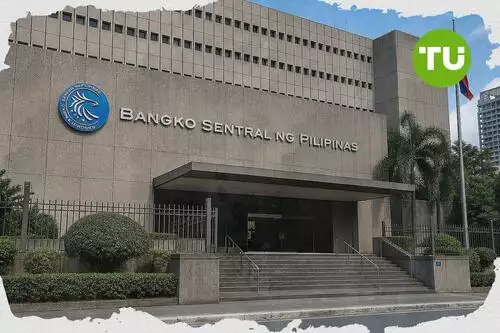
At present, the BSP’s Security Plant Complex in Quezon City does not have the capacity to print polymer notes. The facility currently handles the New Generation Currency series, which is produced from abaca-cotton paper.
Currency supply strategy and regional sourcing
The BSP currently sources the First Philippine Polymer banknote series from Note Printing Australia, a subsidiary of the Reserve Bank of Australia, under a government-to-government arrangement authorized by Philippine law. The central bank first released the P1,000 polymer bill in 2022, then introduced polymer versions of the P500, P100 and P50 banknotes in 2024.Tangonan says the BSP’s currency production plan typically focuses on one to two denominations at a time to improve efficiency. He says running one product at a time reduces downtime tied to changing plates, cleaning machines and resetting equipment, although the BSP may switch denominations more quickly if demand rises sharply.
Our earlier article covered the Philippines’ push to expand access to Malaysia’s halal import market after PhilUlama was recognized by Malaysia’s JAKIM as a fourth Philippine-based halal certification body. We noted that adding more internationally accepted certifiers can widen options for exporters and support broader goals such as trade growth, industrialization, jobs, and investment beyond religious compliance.








-
 Afghanistan
-
 Albania
-
 Algeria
-
 Angola
-
 Argentina
-
 Armenia
-
 Australia
-
 Austria
-
 Azerbaijan
-
 Bahamas
-
 Bahrain
-
 Bangladesh
-
 Belarus
-
 Belgium
-
 Bolivia
-
 Botswana
-
 Brazil
-
 Brunei
-
 Bulgaria
-
 Cambodia
-
 Cameroon
-
 Canada
-
 Chile
-
 China
-
 Colombia
-
 Congo
-
 Costa Rica
-
 Cote d'Ivoire
-
 Croatia
-
 Cuba
-
 Cyprus
-
 Czechia
-
 DR Congo
-
 Denmark
-
 Dominican Republic
-
 Ecuador
-
 Egypt
-
 El Salvador
-
 Estonia
-
 Eswatini
-
 Ethiopia
-
 Finland
-
 France
-
 Georgia
-
 Germany
-
 Ghana
-
 Greece
-
 Haiti
-
 Hong Kong
-
 Hungary
-
 India
-
 Indonesia
-
 Iran, Islamic republic
-
 Iraq
-
 Ireland
-
 Israel
-
 Italy
-
 Jamaica
-
 Japan
-
 Jordan
-
 Kazakhstan
-
 Kenya
-
 Korea
-
 Kuwait
-
 Kyrgyzstan
-
 Laos
-
 Latvia
-
 Lebanon
-
 Lesotho
-
 Libya
-
 Lithuania
-
 Luxembourg
-
 Madagascar
-
 Malaysia
-
 Malta
-
 Mauritius
-
 Mexico
-
 Moldova
-
 Mongolia
-
 Montenegro
-
 Morocco
-
 Mozambique
-
 Myanmar
-
 Namibia
-
 Nepal
-
 Netherlands
-
 New Zealand
-
 Nigeria
-
 North Macedonia
-
 Norway
-
 Oman
-
 Pakistan
-
 Palestine
-
 Panama
-
 Papua New Guinea
-
 Paraguay
-
 Peru
-
 Philippines
-
 Poland
-
 Portugal
-
 Puerto Rico
-
 Qatar
-
 Reunion
-
 Romania
-
 Rwanda
-
 Saudi Arabia
-
 Serbia
-
 Singapore
-
 Slovakia
-
 Slovenia
-
 Somalia
-
 South Africa
-
 Spain
-
 Sri Lanka
-
 Sweden
-
 Switzerland
-
 Syria
-
 Taiwan
-
 Tajikistan
-
 Tanzania
-
 Thailand
-
 Trinidad and Tobago
-
 Tunisia
-
 Turkey
-
 UAE
-
 Uganda
-
 Ukraine
-
 United Kingdom
-
United States
-
 Uruguay
-
 Uzbekistan
-
 Venezuela
-
 Vietnam
-
 Yemen
-
 Zambia
-
 Zimbabwe
- Forex
- Crypto












