

China sovereign investors seek to resume U.S. private equity funding with sanction safeguards

Chinese state-backed investors are exploring a return to U.S. private equity after pulling back during the height of last year's U.S.-China trade war. China Investment Corporation is leading talks on special protections that would let investors recover capital if sanctions or other geopolitical disruptions hit cross-border fund commitments.
Highlights
- China Investment Corporation is negotiating with private equity managers to embed sanction safeguards, such as cash-out mechanisms, in new U.S. private equity allocations.
- Proposed structures include promissory notes, sidecars, and excuse provisions to allow Chinese sovereign investors to exit U.S. private equity funds without triggering asset sales if sanctioned.
- After a halt during last year's trade tensions, President Trump's recent visit to China has increased the likelihood of CIC and SAFE resuming U.S. private equity investments, though geopolitical risks remain.
Terms under discussion for renewed allocations
As first reported by the Financial Times, China Investment Corporation has been pressing private equity managers to add protections against what people familiar with the matter describe as disaster scenarios, including a worsening in U.S.-China tensions.The proposals include mechanisms that would allow private equity funds to cash out Chinese investors if U.S. or European sanctions are imposed. The structures being discussed are designed to let a sovereign investor receive its money back without forcing a manager to sell illiquid assets or requiring the investor to find a buyer for its stake.
One option under discussion involves promissory notes, debt instruments that promise payment of a specified amount on a set date or on demand. Those payments could be linked to exits by the fund.
Other possible terms include sidecars, separate vehicles that invest in selected deals alongside a main buyout fund, and excuse provisions, which allow an investor to opt out of a specific investment without defaulting on its broader commitment to the fund. CIC did not respond to requests for comment.
Geopolitical thaw could reopen a key capital channel
Chinese sovereign investors, including CIC and the State Administration of Foreign Exchange, have historically been major backers of the U.S. private capital industry. Investors linked to China have backed groups including Global Infrastructure Partners, Thoma Bravo, Vista Equity Partners, Carlyle and Blackstone, according to people familiar with the investments and regulatory filings.That funding channel shut down for new U.S. private equity commitments during the peak of trade tensions last year, after pressure from the Chinese government led state-backed investors to pull back. Advisers to private equity funds say President Donald Trump's state visit to China this year, joined by dozens of U.S. business and financial leaders, has helped cool tensions and improve CIC's willingness to invest again.
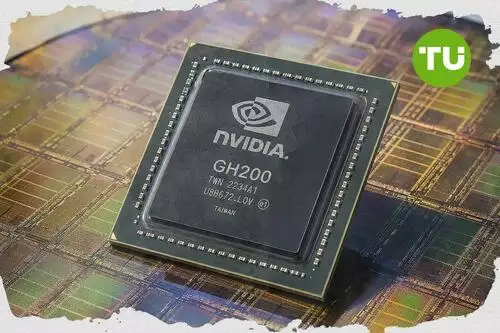
The reopening remains vulnerable to shifts in the wider geopolitical climate. Fresh disputes, including over sales of U.S. semiconductors to China, could still complicate negotiations and delay a broader return of Chinese capital to U.S. private equity fundraising.
Previously, we outlined the main factors behind life insurers' private markets risk assessment as their allocations continue to expand.






Latest Foreign Investment News


-
 Afghanistan
-
 Albania
-
 Algeria
-
 Angola
-
 Argentina
-
 Armenia
-
 Australia
-
 Austria
-
 Azerbaijan
-
 Bahamas
-
 Bahrain
-
 Bangladesh
-
 Belarus
-
 Belgium
-
 Bolivia
-
 Botswana
-
 Brazil
-
 Brunei
-
 Bulgaria
-
 Cambodia
-
 Cameroon
-
 Canada
-
 Chile
-
 China
-
 Colombia
-
 Congo
-
 Costa Rica
-
 Cote d'Ivoire
-
 Croatia
-
 Cuba
-
 Cyprus
-
 Czechia
-
 DR Congo
-
 Denmark
-
 Dominican Republic
-
 Ecuador
-
 Egypt
-
 El Salvador
-
 Estonia
-
 Eswatini
-
 Ethiopia
-
 Finland
-
 France
-
 Georgia
-
 Germany
-
 Ghana
-
 Greece
-
 Haiti
-
 Hong Kong
-
 Hungary
-
 India
-
 Indonesia
-
 Iran, Islamic republic
-
 Iraq
-
 Ireland
-
 Israel
-
 Italy
-
 Jamaica
-
 Japan
-
 Jordan
-
 Kazakhstan
-
 Kenya
-
 Korea
-
 Kuwait
-
 Kyrgyzstan
-
 Laos
-
 Latvia
-
 Lebanon
-
 Lesotho
-
 Libya
-
 Lithuania
-
 Luxembourg
-
 Madagascar
-
 Malaysia
-
 Malta
-
 Mauritius
-
 Mexico
-
 Moldova
-
 Mongolia
-
 Montenegro
-
 Morocco
-
 Mozambique
-
 Myanmar
-
 Namibia
-
 Nepal
-
 Netherlands
-
 New Zealand
-
 Nigeria
-
 North Macedonia
-
 Norway
-
 Oman
-
 Pakistan
-
 Palestine
-
 Panama
-
 Papua New Guinea
-
 Paraguay
-
 Peru
-
 Philippines
-
 Poland
-
 Portugal
-
 Puerto Rico
-
 Qatar
-
 Reunion
-
 Romania
-
 Rwanda
-
 Saudi Arabia
-
 Serbia
-
 Singapore
-
 Slovakia
-
 Slovenia
-
 Somalia
-
 South Africa
-
 Spain
-
 Sri Lanka
-
 Sweden
-
 Switzerland
-
 Syria
-
 Taiwan
-
 Tajikistan
-
 Tanzania
-
 Thailand
-
 Trinidad and Tobago
-
 Tunisia
-
 Turkey
-
 UAE
-
 Uganda
-
 Ukraine
-
 United Kingdom
-
United States
-
 Uruguay
-
 Uzbekistan
-
 Venezuela
-
 Vietnam
-
 Yemen
-
 Zambia
-
 Zimbabwe
- Forex
- Crypto












