
U.S. cardholders redeem rewards for everyday expenses as inflation pressures budgets
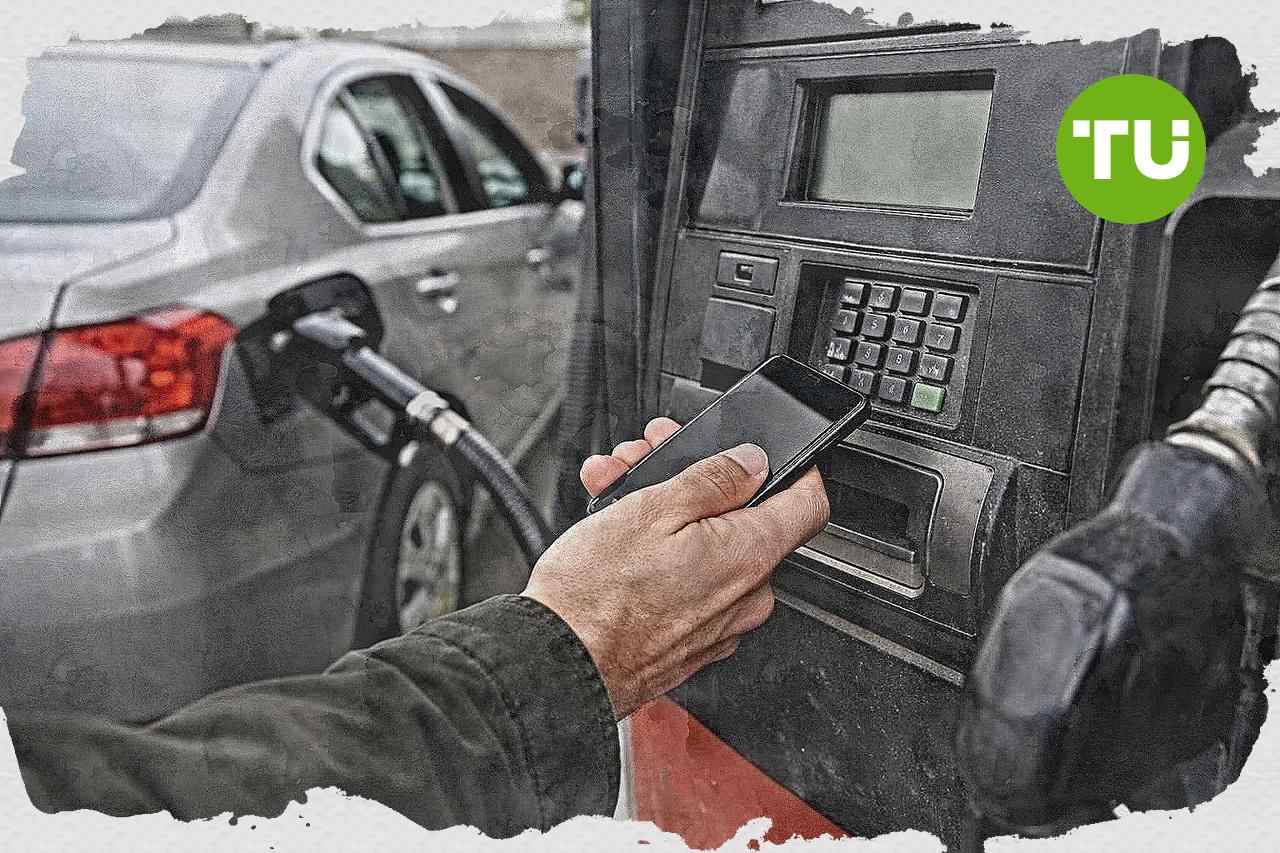
Rising household costs are pushing more U.S. credit-card users to spend reward points on basic purchases instead of travel perks. A new survey shows more than one-third of respondents redeem points for everyday expenses, including food and gasoline.
Highlights
- USAA Federal Savings Bank survey of over 1,000 people finds more than 35% redeem reward points for everyday expenses like gasoline and household purchases.
- 79% of survey respondents have used reward points for statement credits at least once in the past six months, favoring flexible cash-like payouts.
- Survey results indicate U.S. consumers are prioritizing loyalty rewards for essential affordability rather than aspirational travel, reflecting ongoing inflationary pressures.
Survey shows shift in reward use
As reported by Bloomberg, citing USAA Federal Savings Bank, a survey of more than 1,000 people finds that over 35% redeem reward points for everyday expenses. The spending categories cited include routine essentials such as gasoline and other household purchases.The findings suggest reward programs are increasingly serving as a buffer for consumers facing tighter budgets. Rather than saving points for premium flights or hotel stays, more cardholders are applying them to immediate living costs.
Inflation reshapes consumer payment habits
Statement credits also remain a widely used redemption option, with 79% of respondents saying they have used points that way at least once in the past six months. That indicates consumers value flexible cash-like rewards as they manage persistent cost pressures.The trend points to a broader shift in how loyalty benefits are used in the U.S. financial sector, with everyday affordability taking priority over aspirational travel rewards.
UK direct debit failure rates remained elevated in May 2026, with missed collections rising fastest among lower-income households. Our earlier article noted that defaults were most concentrated in loan repayments, utility bills, and some discretionary subscriptions, pointing to intensifying budget pressure in specific consumer segments.









-
 Afghanistan
-
 Albania
-
 Algeria
-
 Angola
-
 Argentina
-
 Armenia
-
 Australia
-
 Austria
-
 Azerbaijan
-
 Bahamas
-
 Bahrain
-
 Bangladesh
-
 Belarus
-
 Belgium
-
 Bolivia
-
 Botswana
-
 Brazil
-
 Brunei
-
 Bulgaria
-
 Cambodia
-
 Cameroon
-
 Canada
-
 Chile
Chile
-
 China
China
-
 Colombia
-
 Congo
Congo
-
 Costa Rica
-
 Cote d'Ivoire
-
 Croatia
-
 Cuba
Cuba
-
 Cyprus
-
 Czechia
-
 DR Congo
-
 Denmark
-
 Dominican Republic
-
 Ecuador
-
 Egypt
Egypt
-
 El Salvador
-
 Estonia
-
 Eswatini
-
 Ethiopia
-
 Finland
-
 France
-
 Georgia
-
 Germany
-
 Ghana
Ghana
-
 Greece
-
 Haiti
Haiti
-
 Hong Kong
-
 Hungary
-
 India
India
-
 Indonesia
-
 Iran, Islamic republic
-
 Iraq
Iraq
-
 Ireland
-
 Israel
-
 Italy
Italy
-
 Jamaica
-
 Japan
Japan
-
 Jordan
-
 Kazakhstan
-
 Kenya
Kenya
-
 Korea
Korea
-
 Kuwait
-
 Kyrgyzstan
-
 Laos
Laos
-
 Latvia
-
 Lebanon
-
 Lesotho
-
 Libya
Libya
-
 Lithuania
-
 Luxembourg
-
 Madagascar
-
 Malaysia
-
 Malta
Malta
-
 Mauritius
-
 Mexico
-
 Moldova
-
 Mongolia
-
 Montenegro
-
 Morocco
-
 Mozambique
-
 Myanmar
-
 Namibia
-
 Nepal
Nepal
-
 Netherlands
-
 New Zealand
-
 Nigeria
-
 North Macedonia
-
 Norway
-
 Oman
Oman
-
 Pakistan
-
 Palestine
-
 Panama
-
 Papua New Guinea
-
 Paraguay
-
 Peru
Peru
-
 Philippines
-
 Poland
-
 Portugal
-
 Puerto Rico
-
 Qatar
Qatar
-
 Reunion
-
 Romania
-
 Rwanda
-
 Saudi Arabia
-
 Serbia
-
 Singapore
-
 Slovakia
-
 Slovenia
-
 Somalia
-
 South Africa
-
 Spain
Spain
-
 Sri Lanka
-
 Sweden
-
 Switzerland
-
 Syria
Syria
-
 Taiwan
-
 Tajikistan
-
 Tanzania
-
 Thailand
-
 Trinidad and Tobago
-
 Tunisia
-
 Turkey
-
 UAE
UAE
-
 Uganda
-
 Ukraine
-
 United Kingdom
-
United States
-
 Uruguay
-
 Uzbekistan
-
 Venezuela
-
 Vietnam
-
 Yemen
Yemen
-
 Zambia
-
 Zimbabwe
- Forex
- Crypto











