

U.S. regulator proposes LNG rule changes to speed export capacity growth

The Trump administration is advancing another step in its push to accelerate U.S. energy infrastructure, with a proposed safety rule aimed at liquefied natural gas facilities. The measure is designed to help operators adopt newer technologies, while officials say it could lower costs and support further expansion in export capacity.
Highlights
- The Pipeline and Hazardous Materials Safety Administration proposed new LNG facility rules adopting National Fire Protection Association standards to enhance safety and enable $100 million in annual cost savings.
- U.S. LNG export growth accelerates with over 50 million metric tons per year of projects making final investment decisions since President Donald Trump's return and pro-energy regulatory reforms.
- Despite regulatory easing, projects like Delfin LNG still require Federal Energy Regulatory Commission approval, face legal obstacles, and need PHMSA clearance, delaying operational startup.
Proposed safety overhaul for LNG facilities
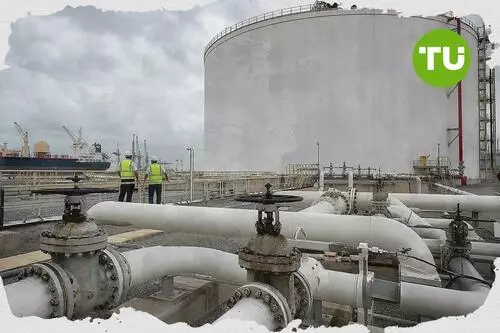
As reported by Reuters, the Pipeline and Hazardous Materials Safety Administration on Wednesday proposed new rules to update the safety framework for LNG facilities by incorporating National Fire Protection Association standards for siting, design, construction, operation and maintenance.U.S. Transportation Secretary Sean Duffy says the changes will help operators use new technologies to improve safety and cut costs. He says the use of those technologies could generate about $100 million in annual savings.
Duffy says modernizing the rules can support the administration's broader energy agenda by lowering costs and creating economic opportunity across the sector. The proposal follows earlier moves by President Donald Trump to resume LNG export approvals and streamline environmental reviews that had slowed projects.
Industry expansion faces remaining permit hurdles
The U.S. is already the world's largest LNG exporter and is expected to add another 100 million metric tons of production by the end of the decade. Global buyers have also been seeking more diverse supply sources after the U.S.-Israeli war against Iran disrupted Gulf shipments, adding to interest in new American export capacity.The administration's pro-energy stance has encouraged major exporters including Cheniere and Venture Global LNG to say they will pursue as much permitted capacity as they believe they can build under a more certain regulatory environment. In the nearly two years since Trump returned to office, U.S. LNG projects representing more than 50 million metric tons per year have announced final investment decisions.
Still, the proposed PHMSA rule does not remove other barriers for developers. Projects must still pass the Federal Energy Regulatory Commission permitting process, face legal challenges and secure environmental approvals.
That includes Delfin LNG, which is set to become the first U.S. floating LNG export facility but has not yet publicly received PHMSA clearance to operate the pipeline feeding natural gas to the offshore plant after an explosion earlier this year.
In our earlier coverage of WTO warnings on war-driven trade disruptions, we noted that conflicts in Ukraine and the Middle East were pushing companies to redesign supply chains and shipping routes for greater resilience, even at higher cost. The WTO also projected a sharp contraction in Middle East trade and argued that repeated shocks are accelerating diversification and more regionalized trade patterns that could persist beyond the current conflicts.






Latest Natural Gas News



-
 Afghanistan
-
 Albania
-
 Algeria
-
 Angola
-
 Argentina
-
 Armenia
-
 Australia
-
 Austria
-
 Azerbaijan
-
 Bahamas
-
 Bahrain
-
 Bangladesh
-
 Belarus
-
 Belgium
-
 Bolivia
-
 Botswana
-
 Brazil
-
 Brunei
-
 Bulgaria
-
 Cambodia
-
 Cameroon
-
 Canada
-
 Chile
-
 China
-
 Colombia
-
 Congo
-
 Costa Rica
-
 Cote d'Ivoire
-
 Croatia
-
 Cuba
-
 Cyprus
-
 Czechia
-
 DR Congo
-
 Denmark
-
 Dominican Republic
-
 Ecuador
-
 Egypt
-
 El Salvador
-
 Estonia
-
 Eswatini
-
 Ethiopia
-
 Finland
-
 France
-
 Georgia
-
 Germany
-
 Ghana
-
 Greece
-
 Haiti
-
 Hong Kong
-
 Hungary
-
 India
-
 Indonesia
-
 Iran, Islamic republic
-
 Iraq
-
 Ireland
-
 Israel
-
 Italy
-
 Jamaica
-
 Japan
-
 Jordan
-
 Kazakhstan
-
 Kenya
-
 Korea
-
 Kuwait
-
 Kyrgyzstan
-
 Laos
-
 Latvia
-
 Lebanon
-
 Lesotho
-
 Libya
-
 Lithuania
-
 Luxembourg
-
 Madagascar
-
 Malaysia
-
 Malta
-
 Mauritius
-
 Mexico
-
 Moldova
-
 Mongolia
-
 Montenegro
-
 Morocco
-
 Mozambique
-
 Myanmar
-
 Namibia
-
 Nepal
-
 Netherlands
-
 New Zealand
-
 Nigeria
-
 North Macedonia
-
 Norway
-
 Oman
-
 Pakistan
-
 Palestine
-
 Panama
-
 Papua New Guinea
-
 Paraguay
-
 Peru
-
 Philippines
-
 Poland
-
 Portugal
-
 Puerto Rico
-
 Qatar
-
 Reunion
-
 Romania
-
 Rwanda
-
 Saudi Arabia
-
 Serbia
-
 Singapore
-
 Slovakia
-
 Slovenia
-
 Somalia
-
 South Africa
-
 Spain
-
 Sri Lanka
-
 Sweden
-
 Switzerland
-
 Syria
-
 Taiwan
-
 Tajikistan
-
 Tanzania
-
 Thailand
-
 Trinidad and Tobago
-
 Tunisia
-
 Turkey
-
 UAE
-
 Uganda
-
 Ukraine
-
 United Kingdom
-
United States
-
 Uruguay
-
 Uzbekistan
-
 Venezuela
-
 Vietnam
-
 Yemen
-
 Zambia
-
 Zimbabwe
- Forex
- Crypto












