

Philippine lending groups back abusive debt collection curbs, seek industry safeguards

Philippine lending and debt collection groups are backing proposed measures against abusive collection practices as lawmakers review stronger borrower protections. The industry is also urging professional standards, certification requirements and closer coordination among regulators to separate legitimate operators from abusive actors.
Highlights
- Philippine Association of Collection Agencies supports stricter rules on abusive debt collection and proposes mandatory collector training, certification, and regulator accreditation of industry associations.
- Consumer Lending Association of the Philippines advocates for financial literacy, consumer engagement, and strong enforcement to support responsible online lending and consumer-centric regulation.
- CLAP recommends a Securities and Exchange Commission-managed registry for online lending platforms and collection agencies to enhance borrower transparency and industry accountability.
Proposed standards for collectors
As reported by BusinessWorld Online, industry representatives told the House Committee on Banks and Financial Intermediaries on Monday that they support tougher rules on abusive debt collection while seeking revisions to provisions covering debt collectors and collection agencies.Philippine Association of Collection Agencies, Inc. President Nelson I. Getigan said abusive debt collection should not be equated with legitimate collection work, adding that misconduct by a minority should not define the sector. He said established agencies already use accountability measures such as recorded and monitored collection calls, regular compliance audits, and reviews of data security and complaint records.
PACAI proposed including law offices in the definition of debt collectors because some firms assign personnel specifically to collection activities. The group also called for mandatory training and certification for collectors, whether they work directly for lenders or for third-party agencies, and said regulators should accredit qualified industry associations as certifying bodies.
Broader oversight and consumer protection
Consumer Lending Association of the Philippines President Arianne Ferrer, speaking for the FinTech Alliance, proposed a three-pillar approach based on education, engagement and enforcement. She said financial and digital literacy can help Filipinos avoid fraud and scams and better assess the true cost of competing financial products and services.Ferrer said stronger engagement with consumers and industry stakeholders would support more consumer-centric, data-driven regulation, while enforcement would help ensure online lending platforms operate responsibly and lawfully. She added that this "debt with dignity" approach is needed to balance consumer welfare with credit access.
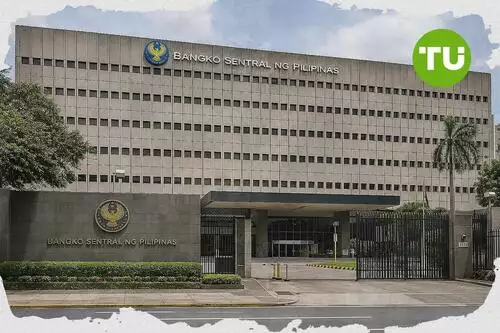
CLAP also proposed an online lending platform registry under the Securities and Exchange Commission so borrowers can identify legitimate lenders, alongside a separate registry for collection agencies and the companies they represent. Ferrer said a whole-of-government approach involving the SEC, Bangko Sentral ng Pilipinas, Credit Information Corp., National Telecommunications Commission and Cybercrime Investigation and Coordinating Center would strengthen accountability across the industry.
We have previously noted proposals for stricter budget scrutiny tied to recurring audit lapses in Philippine agencies.






Latest Philippines News




-
 Afghanistan
-
 Albania
-
 Algeria
-
 Angola
-
 Argentina
-
 Armenia
-
 Australia
-
 Austria
-
 Azerbaijan
-
 Bahamas
-
 Bahrain
-
 Bangladesh
-
 Belarus
-
 Belgium
-
 Bolivia
-
 Botswana
-
 Brazil
-
 Brunei
-
 Bulgaria
-
 Cambodia
-
 Cameroon
-
 Canada
-
 Chile
-
 China
-
 Colombia
-
 Congo
-
 Costa Rica
-
 Cote d'Ivoire
-
 Croatia
-
 Cuba
-
 Cyprus
-
 Czechia
-
 DR Congo
-
 Denmark
-
 Dominican Republic
-
 Ecuador
-
 Egypt
-
 El Salvador
-
 Estonia
-
 Eswatini
-
 Ethiopia
-
 Finland
-
 France
-
 Georgia
-
 Germany
-
 Ghana
-
 Greece
-
 Haiti
-
 Hong Kong
-
 Hungary
-
 India
-
 Indonesia
-
 Iran, Islamic republic
-
 Iraq
-
 Ireland
-
 Israel
-
 Italy
-
 Jamaica
-
 Japan
-
 Jordan
-
 Kazakhstan
-
 Kenya
-
 Korea
-
 Kuwait
-
 Kyrgyzstan
-
 Laos
-
 Latvia
-
 Lebanon
-
 Lesotho
-
 Libya
-
 Lithuania
-
 Luxembourg
-
 Madagascar
-
 Malaysia
-
 Malta
-
 Mauritius
-
 Mexico
-
 Moldova
-
 Mongolia
-
 Montenegro
-
 Morocco
-
 Mozambique
-
 Myanmar
-
 Namibia
-
 Nepal
-
 Netherlands
-
 New Zealand
-
 Nigeria
-
 North Macedonia
-
 Norway
-
 Oman
-
 Pakistan
-
 Palestine
-
 Panama
-
 Papua New Guinea
-
 Paraguay
-
 Peru
-
 Philippines
-
 Poland
-
 Portugal
-
 Puerto Rico
-
 Qatar
-
 Reunion
-
 Romania
-
 Rwanda
-
 Saudi Arabia
-
 Serbia
-
 Singapore
-
 Slovakia
-
 Slovenia
-
 Somalia
-
 South Africa
-
 Spain
-
 Sri Lanka
-
 Sweden
-
 Switzerland
-
 Syria
-
 Taiwan
-
 Tajikistan
-
 Tanzania
-
 Thailand
-
 Trinidad and Tobago
-
 Tunisia
-
 Turkey
-
 UAE
-
 Uganda
-
 Ukraine
-
 United Kingdom
-
United States
-
 Uruguay
-
 Uzbekistan
-
 Venezuela
-
 Vietnam
-
 Yemen
-
 Zambia
-
 Zimbabwe
- Forex
- Crypto












