

U.S. Treasury sanctions China refinery, shipping network over Iran oil trade
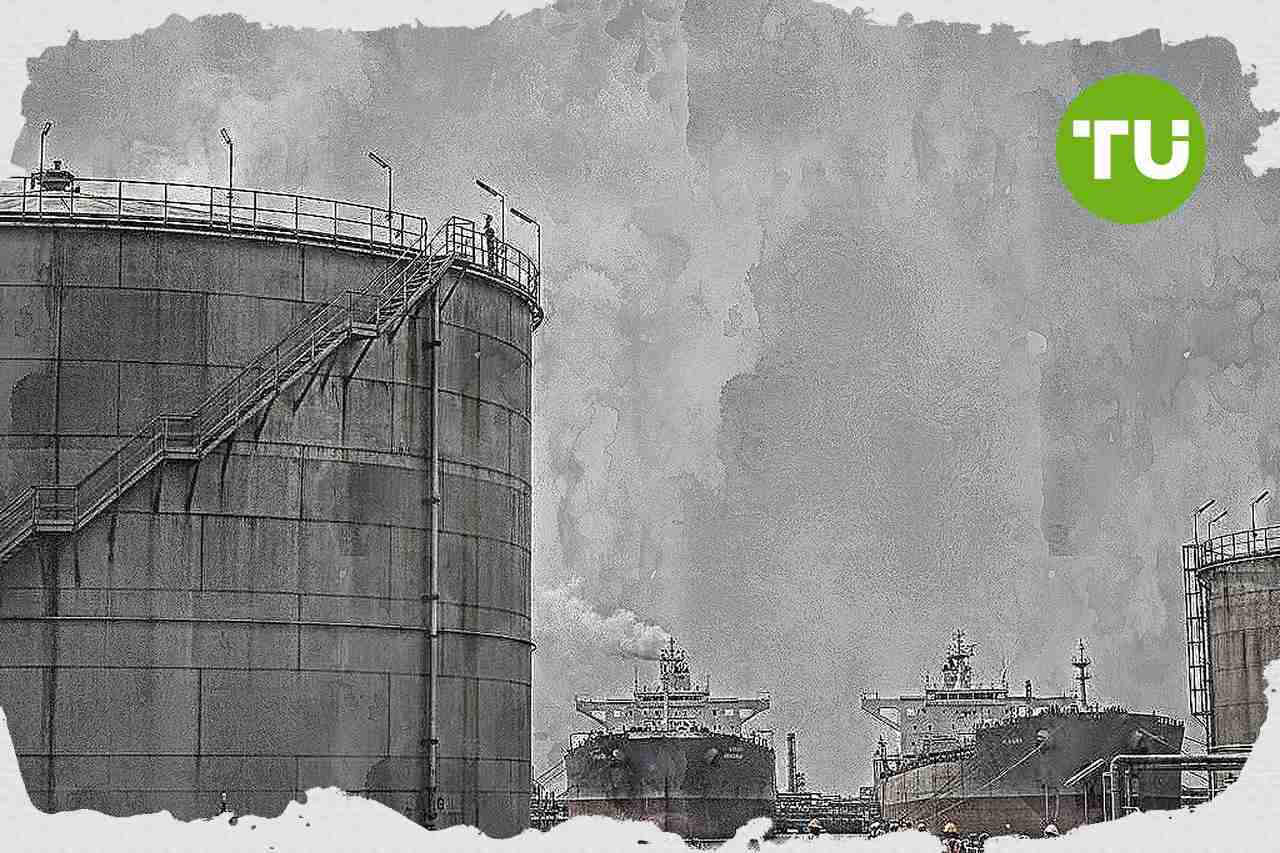
The U.S. is expanding its economic pressure campaign on Iran by targeting a major China-based independent refinery and a broad shipping network tied to Iranian petroleum exports. The action covers Hengli Petrochemical (Dalian) Refinery Co., Ltd. and about 40 shipping firms and vessels that Washington says help move Iranian oil and petrochemicals to foreign markets.
Highlights
- U.S. Treasury sanctioned Hengli Petrochemical (Dalian) Refinery Co., Ltd. and 19 vessels for buying billions of dollars of Iranian crude since at least 2023.
- Sanctioned vessels, including BIG MAG, GALE, and ARES, delivered over five million barrels of Iranian oil, generating hundreds of millions of dollars for Iran’s military through Sepehr Energy Jahan Nama Pars Company.
- New measures block U.S.-controlled property of sanctioned parties, prohibit related transactions, and extend strict liability and compliance risks to non-U.S. traders, shippers, insurers, and banks.
Sanctions target refinery and shadow fleet
As reported by the U.S. Department of the Treasury, the Office of Foreign Assets Control is sanctioning Hengli Petrochemical (Dalian) Refinery Co., Ltd. under Executive Order 13902 for operating in a trade flow that supports Iran’s petroleum economy. Treasury says the Chinese teapot refinery is one of the largest buyers of Iranian crude oil and other petroleum products, with purchases worth billions of dollars.Treasury says Hengli has received Iranian oil cargoes since at least 2023 from sanctioned shadow fleet vessels including BIG MAG, GALE, and ARES, which together delivered more than five million barrels of Iranian crude. It also says the refinery has received shipments overseen by Sepehr Energy Jahan Nama Pars Company, the oil sales arm of Iran’s Armed Forces General Staff, generating hundreds of millions of dollars in revenue for the Iranian military.
OFAC is also adding 19 vessels to its Specially Designated Nationals and Blocked Persons List and designating multiple shipping companies tied to transport of Iranian crude, liquefied petroleum gas and petrochemical products. The listed vessels include tankers that Treasury says moved cargoes to China, the United Arab Emirates, Bangladesh and other destinations between 2023 and early 2026.
Market and compliance impact
The move widens pressure on the logistics chain that links Iranian producers with buyers in Asia, particularly Chinese independent refiners that Treasury describes as a key outlet for Iranian crude. Treasury says the campaign has sanctioned more than 1,000 Iran-related persons, vessels and aircraft since February 2025 as part of a broader maximum economic pressure effort.Under the measures, all property and interests in property of the designated persons that are in the U.S. or controlled by U.S. persons are blocked and must be reported to OFAC. Transactions by U.S. persons involving blocked property are generally prohibited unless authorized or exempt, while foreign firms and financial institutions also face possible sanctions exposure if they facilitate dealings with designated parties.
Treasury says sanctions can bring civil or criminal penalties, and that OFAC may enforce violations on a strict liability basis. It also says non-U.S. persons are prohibited from causing U.S. sanctions breaches or engaging in evasion, underscoring compliance risks for shipping operators, traders, insurers and banks involved in energy flows connected to Iran.
In our earlier article on WTI’s rally toward $97/bbl, we explained how Iran’s partial closure of the Strait of Hormuz and shifting tanker traffic quickly tightened supply expectations. We also noted that oil had become highly headline-driven, with abrupt swings as traders weighed the risk of a major supply shock against intermittent de-escalation signals.








-
 Afghanistan
-
 Albania
-
 Algeria
-
 Angola
-
 Argentina
-
 Armenia
-
 Australia
-
 Austria
-
 Azerbaijan
-
 Bahamas
-
 Bahrain
-
 Bangladesh
-
 Belarus
-
 Belgium
-
 Bolivia
-
 Botswana
-
 Brazil
-
 Brunei
-
 Bulgaria
-
 Cambodia
-
 Cameroon
-
 Canada
-
 Chile
Chile
-
 China
China
-
 Colombia
-
 Congo
Congo
-
 Costa Rica
-
 Cote d'Ivoire
-
 Croatia
-
 Cuba
Cuba
-
 Cyprus
-
 Czechia
-
 DR Congo
-
 Denmark
-
 Dominican Republic
-
 Ecuador
-
 Egypt
Egypt
-
 El Salvador
-
 Estonia
-
 Eswatini
-
 Ethiopia
-
 Finland
-
 France
-
 Georgia
-
 Germany
-
 Ghana
Ghana
-
 Greece
-
 Haiti
Haiti
-
 Hong Kong
-
 Hungary
-
 India
India
-
 Indonesia
-
 Iran, Islamic republic
-
 Iraq
Iraq
-
 Ireland
-
 Israel
-
 Italy
Italy
-
 Jamaica
-
 Japan
Japan
-
 Jordan
-
 Kazakhstan
-
 Kenya
Kenya
-
 Korea
Korea
-
 Kuwait
-
 Kyrgyzstan
-
 Laos
Laos
-
 Latvia
-
 Lebanon
-
 Lesotho
-
 Libya
Libya
-
 Lithuania
-
 Luxembourg
-
 Madagascar
-
 Malaysia
-
 Malta
Malta
-
 Mauritius
-
 Mexico
-
 Moldova
-
 Mongolia
-
 Montenegro
-
 Morocco
-
 Mozambique
-
 Myanmar
-
 Namibia
-
 Nepal
Nepal
-
 Netherlands
-
 New Zealand
-
 Nigeria
-
 North Macedonia
-
 Norway
-
 Oman
Oman
-
 Pakistan
-
 Palestine
-
 Panama
-
 Papua New Guinea
-
 Paraguay
-
 Peru
Peru
-
 Philippines
-
 Poland
-
 Portugal
-
 Puerto Rico
-
 Qatar
Qatar
-
 Reunion
-
 Romania
-
 Rwanda
-
 Saudi Arabia
-
 Serbia
-
 Singapore
-
 Slovakia
-
 Slovenia
-
 Somalia
-
 South Africa
-
 Spain
Spain
-
 Sri Lanka
-
 Sweden
-
 Switzerland
-
 Syria
Syria
-
 Taiwan
-
 Tajikistan
-
 Tanzania
-
 Thailand
-
 Trinidad and Tobago
-
 Tunisia
-
 Turkey
-
 UAE
UAE
-
 Uganda
-
 Ukraine
-
 United Kingdom
-
United States
-
 Uruguay
-
 Uzbekistan
-
 Venezuela
-
 Vietnam
-
 Yemen
Yemen
-
 Zambia
-
 Zimbabwe
- Forex
- Crypto












