

Pentagon says nearly 100 U.S. troops are injured as Iran conflict drives casualties and oil route strikes
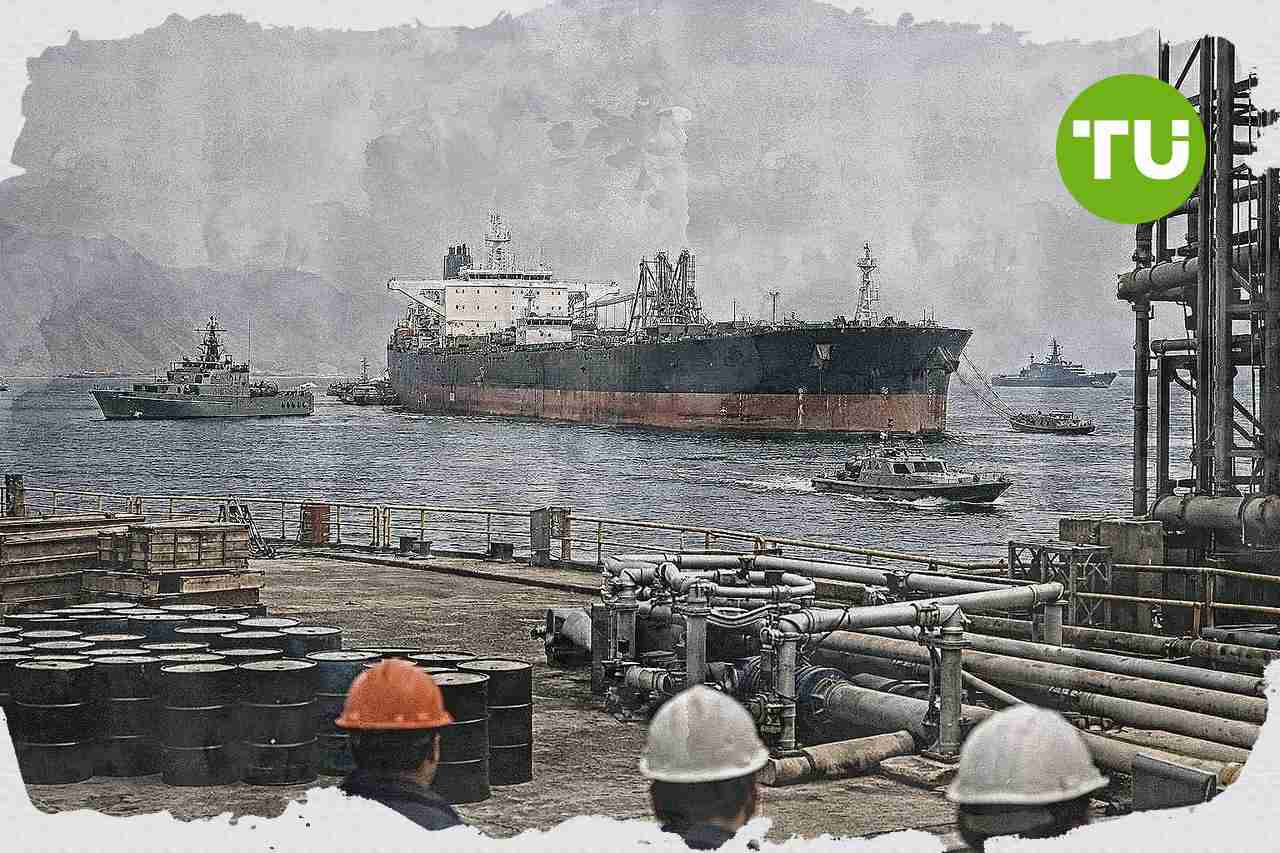
Fighting linked to the renewed U.S. campaign against Iran is raising the human and economic costs of the Middle East conflict. The Pentagon says nearly 100 service members are injured in the past two weeks, while Washington is also intensifying strikes tied to shipping security in the Strait of Hormuz.
Highlights
- Pentagon reports nearly 100 U.S. troops injured since July 7 Iran air strikes, with 96% returning to duty and most injuries minor.
- U.S. Central Command confirms four American soldiers killed in attacks in Jordan and northern Iraq as the conflict with Iran intensifies.
- U.S. forces launch a tenth wave of strikes targeting Iranian capabilities in the Strait of Hormuz, driving U.S. petrol prices above $4 a gallon.
Pentagon injury update and battlefield toll
As reported by Financial Times, the Pentagon says nearly 100 U.S. service members are deemed to have some degree of injury since the U.S. resumes air strikes against Iran on July 7. Pentagon spokesperson Sean Parnell says 96% of those injured have returned to duty, adding that the vast majority of the injuries are minor concussions.Parnell says the troops are determined to return to combat as the Trump administration pushes back against allegations that it obscures casualty figures. The Pentagon's update comes hours after it identifies two American soldiers killed in an Iranian attack on an air base in Jordan on Friday night as Tyler James Feehan, 25, of Hawaii, and Isabella Gonzales, 19, of Texas.
U.S. Central Command says it is analysing remains found at the attack site in Jordan as it seeks a third soldier believed to have been killed in the same attack. The military also says a fourth U.S. service member is killed on Saturday in northern Iraq.
Strait of Hormuz focus deepens market pressure
The extended conflict is weighing on Donald Trump's approval ratings as casualties mount and energy prices rise. Centcom says on Monday afternoon that U.S. forces begin a tenth wave of strikes against Iran at 4 p.m. eastern time, aimed at further degrading Iranian military capabilities used to attack commercial shipping in the Strait of Hormuz.Although the war is launched on the premise of eliminating Iran's nuclear programme, White House officials increasingly concede that the operational focus shifts to the strait. Secretary of state Marco Rubio says on Monday that preventing Iran from attacking ships in the waterway is the only reason the U.S. is conducting strikes.
The renewed escalation since an April ceasefire breaks down is also feeding through to consumers. Data released on Monday by the AAA motoring group shows U.S. petrol prices climb back above $4 a gallon after rising steadily in recent weeks.
In our earlier coverage of the renewed fighting around the Strait of Hormuz, we outlined how the escalation between the U.S. and Iran quickly pushed U.S. petrol prices back above $4 a gallon and sent crude prices sharply higher. We also noted that the jump in fuel costs was becoming a growing political and economic liability, squeezing consumers and weighing on President Trump’s approval rating.









-
 Afghanistan
-
 Albania
-
 Algeria
-
 Angola
-
 Argentina
-
 Armenia
-
 Australia
-
 Austria
-
 Azerbaijan
-
 Bahamas
-
 Bahrain
-
 Bangladesh
-
 Belarus
-
 Belgium
-
 Bolivia
-
 Botswana
-
 Brazil
-
 Brunei
-
 Bulgaria
-
 Cambodia
-
 Cameroon
-
 Canada
-
 Chile
-
 China
-
 Colombia
-
 Congo
-
 Costa Rica
-
 Cote d'Ivoire
-
 Croatia
-
 Cuba
-
 Cyprus
-
 Czechia
-
 DR Congo
-
 Denmark
-
 Dominican Republic
-
 Ecuador
-
 Egypt
-
 El Salvador
-
 Estonia
-
 Eswatini
-
 Ethiopia
-
 Finland
-
 France
-
 Georgia
-
 Germany
-
 Ghana
-
 Greece
-
 Haiti
-
 Hong Kong
-
 Hungary
-
 India
-
 Indonesia
-
 Iran, Islamic republic
-
 Iraq
-
 Ireland
-
 Israel
-
 Italy
-
 Jamaica
-
 Japan
-
 Jordan
-
 Kazakhstan
-
 Kenya
-
 Korea
-
 Kuwait
-
 Kyrgyzstan
-
 Laos
-
 Latvia
-
 Lebanon
-
 Lesotho
-
 Libya
-
 Lithuania
-
 Luxembourg
-
 Madagascar
-
 Malaysia
-
 Malta
-
 Mauritius
-
 Mexico
-
 Moldova
-
 Mongolia
-
 Montenegro
-
 Morocco
-
 Mozambique
-
 Myanmar
-
 Namibia
-
 Nepal
-
 Netherlands
-
 New Zealand
-
 Nigeria
-
 North Macedonia
-
 Norway
-
 Oman
-
 Pakistan
-
 Palestine
-
 Panama
-
 Papua New Guinea
-
 Paraguay
-
 Peru
-
 Philippines
-
 Poland
-
 Portugal
-
 Puerto Rico
-
 Qatar
-
 Reunion
-
 Romania
-
 Rwanda
-
 Saudi Arabia
-
 Serbia
-
 Singapore
-
 Slovakia
-
 Slovenia
-
 Somalia
-
 South Africa
-
 Spain
-
 Sri Lanka
-
 Sweden
-
 Switzerland
-
 Syria
-
 Taiwan
-
 Tajikistan
-
 Tanzania
-
 Thailand
-
 Trinidad and Tobago
-
 Tunisia
-
 Turkey
-
 UAE
-
 Uganda
-
 Ukraine
-
 United Kingdom
-
United States
-
 Uruguay
-
 Uzbekistan
-
 Venezuela
-
 Vietnam
-
 Yemen
-
 Zambia
-
 Zimbabwe
- Forex
- Crypto












