
JPMorgan CEO sees risks in buying U.S. stocks and bonds

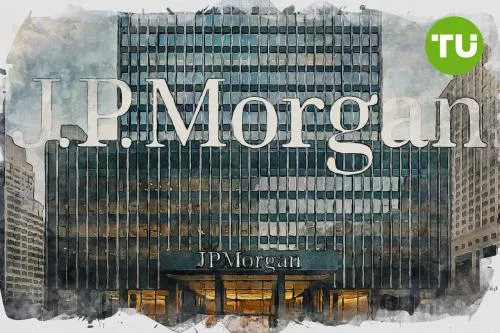
JPMorgan Chase CEO Jamie Dimon believes investors are underestimating the risks facing the global economy. At current prices, he would not buy either the broader stock market or long-dated U.S. Treasurys.
In an interview with CNBC, he said markets are not fully accounting for the growing number of geopolitical and fiscal threats. These include the wars in Ukraine and the Middle East, tensions between the U.S. and China, rising military spending and widening government budget deficits.
According to the JPMorgan chief, it is difficult to determine exactly which risks are already reflected in asset prices. However, markets cannot fully price in the real consequences of a potential major shock in advance.
Caution despite the market rally
Dimon’s comments contrast with investor sentiment, as markets have recently looked past wars, trade restrictions and other threats. The S&P 500 has gained nearly 10% since the beginning of the year, supported by resilient consumer spending, easing inflation and strong interest in companies linked to artificial intelligence.
Recent strong quarterly results from JPMorgan and other major banks have also reinforced the view that the U.S. economy is coping with geopolitical instability better than expected. Rising trading and investment banking revenue helped financial companies deliver strong results.
Dimon acknowledged that the global economy has become more resilient because it is less dependent on energy than in previous decades. However, this does not rule out a sudden turning point. He said a crisis may require a larger number of negative factors, but their combined impact could eventually lead to serious consequences.
Deficits could push rates higher
Dimon is particularly concerned about persistent U.S. budget deficits. He expects them to become a problem over the long term and potentially drive interest rates higher.
In his view, bond investors will demand higher yields in return for financing government debt. For this reason, Dimon sees little appeal in long-dated Treasurys.
Even if inflation returns to the Federal Reserve’s 2% target, he believes the yield on the 10-year Treasury should be in the 4% to 4.5% range. This would leave limited room for bond prices to rise.
Stocks also look expensive
Dimon is also cautious about the stock market. He said he might buy shares in an individual company if he considered them a genuinely attractive investment. However, he is not prepared to buy the broader market at current valuations.
The JPMorgan chief also struck a measured tone on artificial intelligence, comparing today’s investment boom with the early days of the internet.
He said the huge amounts being invested in AI will probably pay off overall, just as internet investment eventually did. However, the companies that benefit may not be the ones investors are backing today.
Dimon noted that early internet leaders such as Yahoo and Netscape eventually lost ground, while future winners including Google and Facebook emerged later. AI may therefore meet expectations over the long term, but not necessarily in the form or within the timeframe investors currently expect.
Should investors listen to Dimon?
Jamie Dimon’s comments deserve serious attention, not least because he does more than lead JPMorgan Chase, one of the world’s largest financial institutions. Over decades in the banking industry, he has built a reputation as one of the most influential experts on the global economy, credit markets and financial risk. His assessments are informed by data the bank receives from millions of customers, major corporations, investors and government institutions around the world.
Dimon regularly speaks at major international forums, including the World Economic Forum in Davos, where he discusses the state of the economy with politicians, central bank officials and global corporate leaders. However, his comments should not be treated as a precise forecast or a direct recommendation to sell assets. Dimon is known for his cautious assessments and often warns about risks well in advance, so his statements are better viewed as a signal to examine valuations, investment horizons and portfolio resilience more carefully.
JPMorgan has also been an active critic of proposed reforms to U.S. bank capital regulations.


Latest JPMorgan Chase News





-
 Afghanistan
-
 Albania
-
 Algeria
-
 Angola
-
 Argentina
-
 Armenia
-
 Australia
-
 Austria
-
 Azerbaijan
-
 Bahamas
-
 Bahrain
-
 Bangladesh
-
 Belarus
-
 Belgium
-
 Bolivia
-
 Botswana
-
 Brazil
-
 Brunei
-
 Bulgaria
-
 Cambodia
-
 Cameroon
-
 Canada
-
 Chile
Chile
-
 China
China
-
 Colombia
-
 Congo
Congo
-
 Costa Rica
-
 Cote d'Ivoire
-
 Croatia
-
 Cuba
Cuba
-
 Cyprus
-
 Czechia
-
 DR Congo
-
 Denmark
-
 Dominican Republic
-
 Ecuador
-
 Egypt
Egypt
-
 El Salvador
-
 Estonia
-
 Eswatini
-
 Ethiopia
-
 Finland
-
 France
-
 Georgia
-
 Germany
-
 Ghana
Ghana
-
 Greece
-
 Haiti
Haiti
-
 Hong Kong
-
 Hungary
-
 India
India
-
 Indonesia
-
 Iran, Islamic republic
-
 Iraq
Iraq
-
 Ireland
-
 Israel
-
 Italy
Italy
-
 Jamaica
-
 Japan
Japan
-
 Jordan
-
 Kazakhstan
-
 Kenya
Kenya
-
 Korea
Korea
-
 Kuwait
-
 Kyrgyzstan
-
 Laos
Laos
-
 Latvia
-
 Lebanon
-
 Lesotho
-
 Libya
Libya
-
 Lithuania
-
 Luxembourg
-
 Madagascar
-
 Malaysia
-
 Malta
Malta
-
 Mauritius
-
 Mexico
-
 Moldova
-
 Mongolia
-
 Montenegro
-
 Morocco
-
 Mozambique
-
 Myanmar
-
 Namibia
-
 Nepal
Nepal
-
 Netherlands
-
 New Zealand
-
 Nigeria
-
 North Macedonia
-
 Norway
-
 Oman
Oman
-
 Pakistan
-
 Palestine
-
 Panama
-
 Papua New Guinea
-
 Paraguay
-
 Peru
Peru
-
 Philippines
-
 Poland
-
 Portugal
-
 Puerto Rico
-
 Qatar
Qatar
-
 Reunion
-
 Romania
-
 Rwanda
-
 Saudi Arabia
-
 Serbia
-
 Singapore
-
 Slovakia
-
 Slovenia
-
 Somalia
-
 South Africa
-
 Spain
Spain
-
 Sri Lanka
-
 Sweden
-
 Switzerland
-
 Syria
Syria
-
 Taiwan
-
 Tajikistan
-
 Tanzania
-
 Thailand
-
 Trinidad and Tobago
-
 Tunisia
-
 Turkey
-
 UAE
UAE
-
 Uganda
-
 Ukraine
-
 United Kingdom
-
United States
-
 Uruguay
-
 Uzbekistan
-
 Venezuela
-
 Vietnam
-
 Yemen
Yemen
-
 Zambia
-
 Zimbabwe
- Forex
- Crypto












