


Meta Platforms is seeking up to $95 billion from stock sales as it looks to finance heavier investment in artificial intelligence. The planned fundraising combines an initial offering of about $35 billion in common and preferred stock with as much as $60 billion through an at-the-market program for Class C non-voting shares.
Highlights
- Meta plans to raise about $35 billion via common and preferred stock offerings to fund its artificial intelligence spending.
- The company aims to secure up to $60 billion additionally through an at-the-market share sale program using Class C non-voting shares.
- This dual fundraising approach highlights Meta’s widening capital needs as technology companies escalate AI infrastructure and development investments.
Fundraising plan and share structure
As reported by Bloomberg, Meta says it is offering about $35 billion of common and preferred stock as part of a broader equity raise tied to its AI spending plans.The company also plans to raise as much as about $60 billion through an at-the-market share sale program, which lets companies sell shares in the open market over time. The ATM will consist of Meta's planned Class C non-voting shares.
AI investment pressure and market implications
The fundraising effort underscores the scale of capital Meta is pursuing as technology companies compete to lead artificial intelligence development. By turning to both traditional stock issuance and an open-market sale program, the company is broadening its financing options for a costly expansion push.The move also signals how AI investment is reshaping corporate funding strategies across the sector, with large platforms seeking fresh capital to support infrastructure, computing capacity and related development spending.
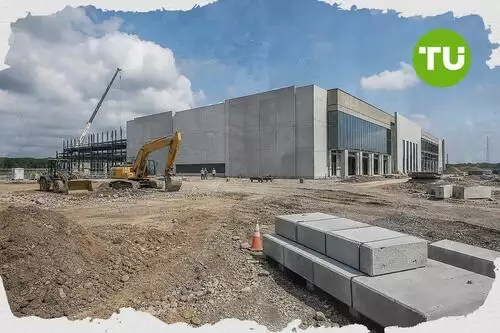
Our earlier article on the U.S. AI data center buildout highlighted how soaring costs, construction delays, and power constraints are making it harder to turn ambitious expansion plans into real computing capacity. We also noted that tighter funding conditions and weakening investor sentiment are increasing the financing risk for developers, raising questions about whether large AI infrastructure commitments can deliver sustainable returns.






Latest META News




-
 Afghanistan
-
 Albania
-
 Algeria
-
 Angola
-
 Argentina
-
 Armenia
-
 Australia
-
 Austria
-
 Azerbaijan
-
 Bahamas
-
 Bahrain
-
 Bangladesh
-
 Belarus
-
 Belgium
-
 Bolivia
-
 Botswana
-
 Brazil
-
 Brunei
-
 Bulgaria
-
 Cambodia
-
 Cameroon
-
 Canada
-
 Chile
-
 China
-
 Colombia
-
 Congo
-
 Costa Rica
-
 Cote d'Ivoire
-
 Croatia
-
 Cuba
-
 Cyprus
-
 Czechia
-
 DR Congo
-
 Denmark
-
 Dominican Republic
-
 Ecuador
-
 Egypt
-
 El Salvador
-
 Estonia
-
 Eswatini
-
 Ethiopia
-
 Finland
-
 France
-
 Georgia
-
 Germany
-
 Ghana
-
 Greece
-
 Haiti
-
 Hong Kong
-
 Hungary
-
 India
-
 Indonesia
-
 Iran, Islamic republic
-
 Iraq
-
 Ireland
-
 Israel
-
 Italy
-
 Jamaica
-
 Japan
-
 Jordan
-
 Kazakhstan
-
 Kenya
-
 Korea
-
 Kuwait
-
 Kyrgyzstan
-
 Laos
-
 Latvia
-
 Lebanon
-
 Lesotho
-
 Libya
-
 Lithuania
-
 Luxembourg
-
 Madagascar
-
 Malaysia
-
 Malta
-
 Mauritius
-
 Mexico
-
 Moldova
-
 Mongolia
-
 Montenegro
-
 Morocco
-
 Mozambique
-
 Myanmar
-
 Namibia
-
 Nepal
-
 Netherlands
-
 New Zealand
-
 Nigeria
-
 North Macedonia
-
 Norway
-
 Oman
-
 Pakistan
-
 Palestine
-
 Panama
-
 Papua New Guinea
-
 Paraguay
-
 Peru
-
 Philippines
-
 Poland
-
 Portugal
-
 Puerto Rico
-
 Qatar
-
 Reunion
-
 Romania
-
 Rwanda
-
 Saudi Arabia
-
 Serbia
-
 Singapore
-
 Slovakia
-
 Slovenia
-
 Somalia
-
 South Africa
-
 Spain
-
 Sri Lanka
-
 Sweden
-
 Switzerland
-
 Syria
-
 Taiwan
-
 Tajikistan
-
 Tanzania
-
 Thailand
-
 Trinidad and Tobago
-
 Tunisia
-
 Turkey
-
 UAE
-
 Uganda
-
 Ukraine
-
 United Kingdom
-
United States
-
 Uruguay
-
 Uzbekistan
-
 Venezuela
-
 Vietnam
-
 Yemen
-
 Zambia
-
 Zimbabwe
- Forex
- Crypto












