Alex Atallah Biography, Career, Net Worth, and Key Insight


Alex Atallah’s Profile Summary
|
Company
|
OpenRouter |
|---|---|
|
Position
|
CEO |
|
Source of wealth
|
Co-founding OpenSea, venture capital funding, equity from OpenSea, investments in decentralized technology ventures. |
|
Also known as
|
AI enthusiast, venture investor, former Palantir engineer. |
|
Age
|
Unknown |
|
Education
|
Stanford University - Bachelor's Degree in Computer Science |
|
Citizenship
|
United States |
|
Residence
|
New York City, United States |
|
Family
|
Information |
|
Website, Social Media
|
https://opensea.io/ |
Biography
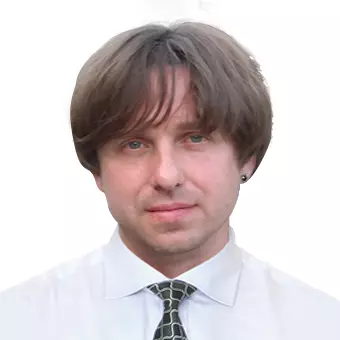
Alex Atallah, born in the United States, is a renowned entrepreneur and technology leader, particularly known for co-founding OpenSea, the largest NFT marketplace in the world. Before founding OpenSea in 2017, Atallah pursued an education in computer science and business, having attended Stanford University. His career began in the tech industry, where he worked at Palantir, a software and big data company, and contributed to several startups. At OpenSea, Atallah helped shape the company into a central player in the booming NFT market, which saw tremendous growth during the 2021 surge in cryptocurrency and digital collectibles. By January 2022, OpenSea had been valued at $13.3 billion, a testament to its massive success. Known for his passion for decentralization and AI, Atallah has since transitioned to other ventures after leaving his operational role at OpenSea in July 2022, although he continues to serve on its board. He has shifted his focus toward new projects like OpenRouter, which provides routing services for language models. Atallah remains a pivotal figure in the Web3 space, contributing to the development of decentralized technologiesIn 2025, transitioned from OpenSea CTO to CEO of OpenRouter, an LLM unified API company focused on reducing latency and cost.
-
How did Alex Atallah make money?
Alex Atallah makes money in the following areas:
Co-founding OpenSea, venture capital funding, equity from OpenSea, investments in decentralized technology ventures.
-
What is Alex Atallah net worth?
As of 2026, Alex Atallah’s net worth is estimated to be $2.2B.
What is Alex Atallah also known as?
Alex Atallah is known for his deep interest and expertise in artificial intelligence and decentralized technologies. He has worked on projects like OpenRouter, a platform focused on large language models (LLMs). Additionally, before his work in the NFT space, Atallah had experience as an engineer at Palantir, where he was involved in creating cybersecurity solutions. His broader contributions to tech also include investments in and mentoring other startups in the blockchain and decentralized finance ecosystemsProminent achievements
Co-founded OpenSea, which became the largest NFT marketplace, recognized as one of the first NFT billionaires, OpenSea reached a $13.3 billion valuation, played a role in shaping the Web3 space, developed several other tech projects related to AI and decentralizationAppointed CEO of OpenRouter in 2025, leading a unified API offering access to 300+ LLMs.
What are Alex Atallah’s key insights?
Alex Atallah emphasizes building from zero to one, focusing on decentralization, innovation, and creating open ecosystems. He is passionate about empowering individuals through technology, particularly in blockchain and AI, to create new paradigms in the digital space
Personal life
Information about Alex Atallah’s family is not publicly available, as he maintains a private personal life.
Useful insights
Community and ecosystem growth
Crypto Angel Investors often highlight the importance of community when evaluating the potential of a crypto project. A strong, engaged community can fuel a project’s success. Here’s what to look for.
-
Measure the project’s community engagement
Platforms like Telegram, Discord, and Twitter are essential for assessing a project’s community. Look for a project that has an active, supportive community that engages with the developers and marketing team. Projects with loyal communities tend to fare better in the long run.
-
Check the ecosystem’s development
A growing ecosystem with third-party applications and services built around the project is a positive sign. Look at the number of developers building on the platform and whether the project encourages external contributions. This kind of organic growth indicates the project's potential for long-term adoption.
-
Look for governance and decentralization
Strong governance mechanisms, such as Decentralized Autonomous Organizations (DAOs), show that the community has a say in the project’s development. Projects with decentralized governance are often seen as more trustworthy and resilient, as they rely on the broader community rather than a centralized authority.
Other profiles in category
Popular Crypto Guides
Editors' Top Picks and Insights




Latest Crypto News

DeepBook extends downward price move as persistent seller pressure dominates trading
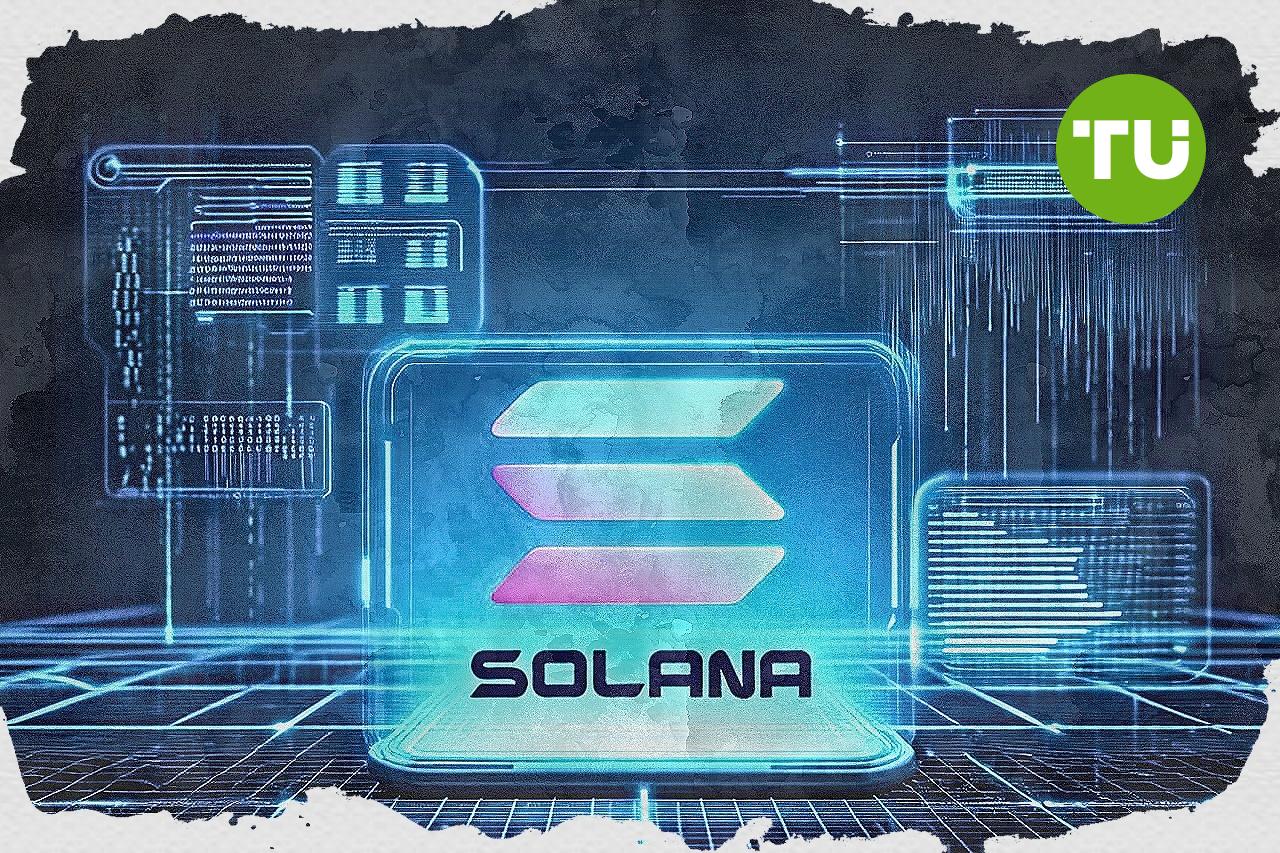
SOL trades flat as mixed technical momentum keeps direction uncertain

Can reduced exchange supply and falling revenue pressure Ethereum?

-
 Afghanistan
-
 Albania
-
 Algeria
-
 Angola
-
 Argentina
-
 Armenia
-
 Australia
-
 Austria
-
 Azerbaijan
-
 Bahamas
-
 Bahrain
-
 Bangladesh
-
 Belarus
-
 Belgium
-
 Bolivia
-
 Botswana
-
 Brazil
-
 Brunei
-
 Bulgaria
-
 Cambodia
-
 Cameroon
-
 Canada
-
 Chile
-
 China
-
 Colombia
-
 Congo
-
 Costa Rica
-
 Cote d'Ivoire
-
 Croatia
-
 Cuba
-
 Cyprus
-
 Czechia
-
 DR Congo
-
 Denmark
-
 Dominican Republic
-
 Ecuador
-
 Egypt
-
 El Salvador
-
 Estonia
-
 Eswatini
-
 Ethiopia
-
 Finland
-
 France
-
 Georgia
-
 Germany
-
 Ghana
-
 Greece
-
 Haiti
-
 Hong Kong
-
 Hungary
-
 India
-
 Indonesia
-
 Iran, Islamic republic
-
 Iraq
-
 Ireland
-
 Israel
-
 Italy
-
 Jamaica
-
 Japan
-
 Jordan
-
 Kazakhstan
-
 Kenya
-
 Korea
-
 Kuwait
-
 Kyrgyzstan
-
 Laos
-
 Latvia
-
 Lebanon
-
 Lesotho
-
 Libya
-
 Lithuania
-
 Luxembourg
-
 Madagascar
-
 Malaysia
-
 Malta
-
 Mauritius
-
 Mexico
-
 Moldova
-
 Mongolia
-
 Montenegro
-
 Morocco
-
 Mozambique
-
 Myanmar
-
 Namibia
-
 Nepal
-
 Netherlands
-
 New Zealand
-
 Nigeria
-
 North Macedonia
-
 Norway
-
 Oman
-
 Pakistan
-
 Palestine
-
 Panama
-
 Papua New Guinea
-
 Paraguay
-
 Peru
-
 Philippines
-
 Poland
-
 Portugal
-
 Puerto Rico
-
 Qatar
-
 Reunion
-
 Romania
-
 Rwanda
-
 Saudi Arabia
-
 Serbia
-
 Singapore
-
 Slovakia
-
 Slovenia
-
 Somalia
-
 South Africa
-
 Spain
-
 Sri Lanka
-
 Sweden
-
 Switzerland
-
 Syria
-
 Taiwan
-
 Tajikistan
-
 Tanzania
-
 Thailand
-
 Trinidad and Tobago
-
 Tunisia
-
 Turkey
-
 UAE
-
 Uganda
-
 Ukraine
-
 United Kingdom
-
United States
-
 Uruguay
-
 Uzbekistan
-
 Venezuela
-
 Vietnam
-
 Yemen
-
 Zambia
-
 Zimbabwe
- Forex
- Crypto












