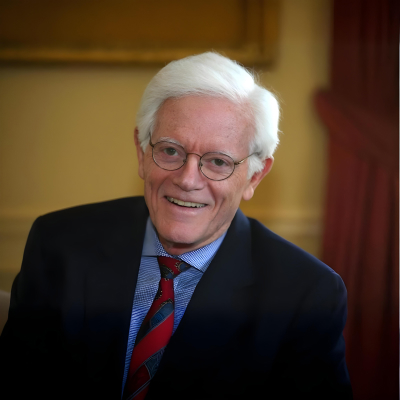
Peter Lynch Biography, Career, Net Worth, and Key Insight



Peter Lynch’s Profile Summary
|
Company
|
Fidelity Investments |
|---|---|
|
Position
|
Vice Chairman of Fidelity Management & Research, the investment advisory arm of Fidelity Investments. He also served as the manager of the Magellan Fund from 1977 to 1990 |
|
Source of wealth
|
Peter Lynch’s wealth stems primarily from management fees and performance fees during his time managing the Magellan Fund at Fidelity Investments, as well as book royalties from his best-selling investment guides. |
|
Also known as
|
Investor, Author, Philanthropist. |
|
Age
|
82 |
|
Education
|
Boston College – Bachelor of Science in History, Psychology, and Philosophy, Wharton School, University of Pennsylvania – Master of Business |
|
Citizenship
|
United States |
|
Residence
|
Boston, Massachusetts, United States |
|
Family
|
Peter Lynch's family includes his three daughters and six grandchildren |
|
Website, Social Media
|
https://www.fidelity.com/ |
Biography
Peter Lynch, born on January 19, 1944, in Newton, Massachusetts, is a renowned American investor, mutual fund manager, and philanthropist. He began his career at Fidelity Investments in 1969 after completing his MBA from the Wharton School of the University of Pennsylvania. In 1977, Lynch took over as the manager of Fidelity’s Magellan Fund, which he managed until his retirement in 1990. Under his leadership, the fund's assets grew from $18 million to $14 billion, with an average annual return of 29.2%, outperforming the S&P 500 consistently. Lynch is famous for his "Growth At a Reasonable Price" (GARP) investment strategy and popularizing the concept of "ten baggers," referring to stocks that increase tenfold in value. After retiring from active fund management, he continued as Vice Chairman of Fidelity and devoted much of his time to philanthropy, particularly through The Lynch Foundation, which supports education, healthcare, and historical preservation. Lynch has authored several influential books on investing, including One Up on Wall Street and Beating the Street, which remain essential reading for investors-
How did Peter Lynch make money?
Peter Lynch makes money in the following areas:
Peter Lynch’s wealth stems primarily from management fees and performance fees during his time managing the Magellan Fund at Fidelity Investments, as well as book royalties from his best-selling investment guides.
-
What is Peter Lynch net worth?
As of 2026, Peter Lynch’s net worth is estimated to be $450M.
What is Peter Lynch also known as?
Peter Lynch is not only known for his exceptional career in investment but also as a prolific author, having written several influential books such as One Up on Wall Street and Beating the Street. These books provide insights into his investment philosophy and strategies, which have become staples for both novice and experienced investors.In addition, Lynch is a philanthropist, co-founding the Lynch Foundation with his late wife, which focuses on supporting education, healthcare, and historical preservation initiatives. His philanthropic efforts have significantly impacted the Greater Boston area, where he has raised substantial funds for various causes
Prominent achievements
Peter Lynch is celebrated for his tenure as the manager of the Magellan Fund at Fidelity Investments, where he achieved an average annual return of 29.2% from 1977 to 1990, transforming it into one of the world’s largest and most successful mutual funds.He has authored multiple best-selling investment books and is regarded as one of the most successful mutual fund managers in history. Lynch has received several honorary degrees and was inducted into the U.S. Business Hall of Fame. His philanthropic efforts have raised over $150 million for education and charitable causes in Greater Boston
Trading Strategy
Peter Lynch’s trading strategy focuses on long-term value investing and identifying growth opportunities in familiar companies. He encouraged investors to “buy what you know,” meaning they should start by researching businesses and products they encounter in everyday life. Lynch categorized stocks into six types—slow growers, stalwarts, fast growers, cyclicals, turnarounds, and asset plays—each requiring a different investment approach. He placed strong emphasis on fundamental analysis, including earnings growth, balance sheet strength, and the price-to-earnings growth (PEG) ratio, which he used to evaluate whether a stock’s price was justified by its growth rate.
Lynch believed in holding onto stocks for the long term, especially if the company continued to perform well. He was particularly known for seeking “ten-baggers,” or stocks that could increase tenfold in value. Rather than trying to time the market, he advised staying invested and only selling when a company’s fundamentals worsened. His philosophy was grounded in thorough research, patience, and the ability to recognize undervalued companies with strong growth potential.
What are Peter Lynch’s key insights?
Peter Lynch’s business philosophy centers on the idea that individual investors can succeed just as much as professional ones through diligent research and understanding of the companies they invest in. He is famous for advocating the strategy of investing in what you know, looking for companies with strong fundamentals, and not being swayed by market fluctuations.
Personal life
Peter Lynch was married to Carolyn Ann Hoff, a philanthropist and world champion contract bridge player, until her death in 2015. Together, they had three daughters, including Annie Lukowski, a film producer known for projects like Big Fish and The Ladykillers. Lynch also has six grandchildren. The family has been closely involved in philanthropic activities through the Lynch Foundation
Useful insights
Understanding market forces

In my experience, to truly succeed as an investor, it’s essential to understand the driving forces behind market behavior. Market movements aren’t random—they’re influenced by a range of economic theories and dynamics. The following books provide valuable insights into these forces, offering a deeper understanding of how global financial markets operate and what shapes their trends.
-
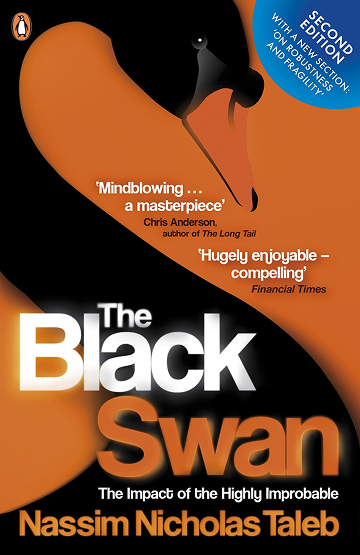
Nassim Nicholas Taleb - "The Black Swan"
-
Summary:
Taleb explores the concept of rare, unpredictable events—so-called "Black Swans"—that can have massive impacts on markets and society. These events are often overlooked by traditional risk management models, leading to devastating consequences when they occur. Taleb illustrates how these unpredictable shocks shape our world, often more than gradual, expected changes.
-
Why read it:
This book challenges conventional thinking about risk and uncertainty, showing that many major historical and financial events were "Black Swans." It's a vital read for investors who want to build resilience in the face of market volatility.
-
-
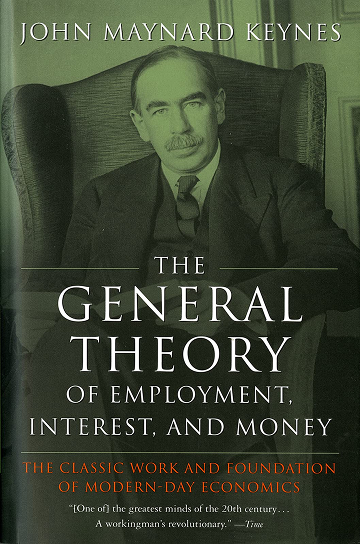
John Maynard Keynes - "The General Theory of Employment, Interest, and Money"
-
Summary:
Keynes revolutionized economics by focusing on total demand within an economy and its effect on output and inflation. His theory suggested that government intervention could stabilize economic cycles through fiscal and monetary policy. The book also explains the consequences of under-consumption and the role of interest rates in managing economic stability.
-
Why read it:
For investors interested in macroeconomic trends and policy impacts, Keynes’ work is essential. Understanding the Keynesian framework can help investors predict how government actions might influence market performance.
-
Other profiles in category
Popular Financial Guides
Editors' Top Picks and Insights

Mark Cuban's wealth philosophy: Why stocks matter more than salary or crypto

Dangerous but indispensable: Why the crypto market needs bridges

Markus Levin: DePIN could power the AI agent economy

Pokémon cards for $2,500: How collectibles became a new form of gambling

The privacy paradox: How the crypto mixer market has changed

Is Bitcoin right for you? Five traits shared by many cryptocurrency holders
Latest Financial News

What's behind Tesco's latest 1.7% stock pullback?

UK government plans VAT cut on household electricity bills

Why is Shell stock flat today? Share buy-back reduces float, GBX3,292 resistance in focus

-
 Afghanistan
-
 Albania
-
 Algeria
-
 Angola
-
 Argentina
-
 Armenia
-
 Australia
-
 Austria
-
 Azerbaijan
-
 Bahamas
-
 Bahrain
-
 Bangladesh
-
 Belarus
-
 Belgium
-
 Bolivia
-
 Botswana
-
 Brazil
-
 Brunei
-
 Bulgaria
-
 Cambodia
-
 Cameroon
-
 Canada
-
 Chile
Chile
-
 China
China
-
 Colombia
-
 Congo
Congo
-
 Costa Rica
-
 Cote d'Ivoire
-
 Croatia
-
 Cuba
Cuba
-
 Cyprus
-
 Czechia
-
 DR Congo
-
 Denmark
-
 Dominican Republic
-
 Ecuador
-
 Egypt
Egypt
-
 El Salvador
-
 Estonia
-
 Eswatini
-
 Ethiopia
-
 Finland
-
 France
-
 Georgia
-
 Germany
-
 Ghana
Ghana
-
 Greece
-
 Haiti
Haiti
-
 Hong Kong
-
 Hungary
-
 India
India
-
 Indonesia
-
 Iran, Islamic republic
-
 Iraq
Iraq
-
 Ireland
-
 Israel
-
 Italy
Italy
-
 Jamaica
-
 Japan
Japan
-
 Jordan
-
 Kazakhstan
-
 Kenya
Kenya
-
 Korea
Korea
-
 Kuwait
-
 Kyrgyzstan
-
 Laos
Laos
-
 Latvia
-
 Lebanon
-
 Lesotho
-
 Libya
Libya
-
 Lithuania
-
 Luxembourg
-
 Madagascar
-
 Malaysia
-
 Malta
Malta
-
 Mauritius
-
 Mexico
-
 Moldova
-
 Mongolia
-
 Montenegro
-
 Morocco
-
 Mozambique
-
 Myanmar
-
 Namibia
-
 Nepal
Nepal
-
 Netherlands
-
 New Zealand
-
 Nigeria
-
 North Macedonia
-
 Norway
-
 Oman
Oman
-
 Pakistan
-
 Palestine
-
 Panama
-
 Papua New Guinea
-
 Paraguay
-
 Peru
Peru
-
 Philippines
-
 Poland
-
 Portugal
-
 Puerto Rico
-
 Qatar
Qatar
-
 Reunion
-
 Romania
-
 Rwanda
-
 Saudi Arabia
-
 Serbia
-
 Singapore
-
 Slovakia
-
 Slovenia
-
 Somalia
-
 South Africa
-
 Spain
Spain
-
 Sri Lanka
-
 Sweden
-
 Switzerland
-
 Syria
Syria
-
 Taiwan
-
 Tajikistan
-
 Tanzania
-
 Thailand
-
 Trinidad and Tobago
-
 Tunisia
-
 Turkey
-
 UAE
UAE
-
 Uganda
-
 Ukraine
-
 United Kingdom
-
United States
-
 Uruguay
-
 Uzbekistan
-
 Venezuela
-
 Vietnam
-
 Yemen
Yemen
-
 Zambia
-
 Zimbabwe
- Forex
- Crypto











