
What Is Risk Management



Editorial Note: While we adhere to strict Editorial Integrity, this post may contain references to products from our partners. Here's an explanation for How We Make Money. None of the data and information on this webpage constitutes investment advice according to our Disclaimer.
Risk management in trading involves identifying, assessing, and mitigating potential losses to protect your capital and ensure long-term profitability. To implement it you need:
Risk management is a crucial aspect of trading, whether you're dealing in stocks, Forex, commodities, or cryptocurrencies. It's the process of identifying, assessing, and prioritizing risks followed by the application of resources to minimize, monitor, and control the probability or impact of unfortunate events. For traders, effective risk management is the balance between consistent success and frequent losses. In this article, we will explore what risk management is, its importance, and various strategies traders can implement to manage risk effectively.
Understanding risk management
Risk management involves a set of practices designed to minimize potential financial losses in trading. It encompasses identifying potential risks, measuring their potential impact, and taking steps to mitigate them. The primary objective is to protect your trading capital and ensure long-term profitability.
Key components of risk management
Risk identification: The first step in risk management is identifying potential risks. These could include market risks, liquidity risks, and even systemic risks. Understanding what could go wrong helps in planning appropriate responses.
Risk assessment: Once identified, the next step is to assess the likelihood and potential impact of these risks. This involves analyzing historical data, market conditions, and other relevant factors.
Risk mitigation: After assessing the risks, traders need to develop strategies to mitigate them. This could include setting stop-loss orders, diversifying portfolios, and using hedging techniques.
Risk monitoring: Risk management is an ongoing process. Traders must continuously monitor their trades and the overall market to identify new risks and adjust their strategies accordingly.
Importance of risk management in trading
Protecting your money: The main aim of trading is to increase your funds. Without proper risk control, one bad trade could result in a significant loss. By managing risk, you safeguard your money from big losses.
Achieving steady results: Successful trading isn't about hitting it big with one trade but about making steady gains over time. Good risk management helps you stay consistent by reducing losses and maximizing gains.
Keeping emotions in check: Trading can be emotionally tough. Fear and greed can lead to hasty decisions that cause losses. A good risk management plan helps you follow your trading strategy and make well-thought-out choices.
Ensuring long-term growth: Traders who manage risk well are more likely to succeed over time. They can handle market downturns and continue to grow their investments gradually.
Strategies for implementing risk management in trading
There are several strategies traders can use to implement risk management effectively:
Setting stop-loss orders
A stop-loss order helps traders limit losses by closing a trade at a set price. For example, if you buy a stock at $100 and set a stop-loss at $95, the trade will automatically close if the price falls to $95, stopping further losses. It's important to find a balance: setting the stop-loss too close might end trades too early, while setting it too far away might result in bigger losses.
Position sizing
Position sizing refers to determining the amount of capital to invest in a particular trade. It's crucial to avoid risking too much on a single trade. A common rule of thumb is the 2% rule, which suggests not risking more than 2% of your trading capital on any single trade. This approach helps in diversifying risk and preventing substantial losses from one bad trade.

Diversification
Diversification means spreading your investments across different assets or markets to lower risk. By doing this, you ensure that if one asset performs poorly, it won't significantly hurt your overall portfolio. For example, if you invest in both stocks and bonds, a decline in stock prices might be balanced by stable or rising bond prices. This approach is especially useful in volatile markets, where some assets might lose value while others gain.
Hedging
Hedging is a strategy to protect against potential losses by taking an opposite position in a related asset. For example, if you own 100 shares of XYZ stock priced at $50 each, you're concerned about a potential price drop. To hedge, you buy a put option for XYZ stock with a strike price of $50, expiring in three months, costing $2 per share.
Here's how it works:
Stock price stays the same or rises: The put option may expire worthless, but you still benefit from holding the shares.
Stock price falls: If XYZ stock drops to $40, the put option's value increases, offsetting the loss on the shares. The profit from the put option helps to balance out the decline in your stock's value.
Using leverage wisely
Leverage allows traders to control a large position with a relatively small amount of capital. While leverage can amplify profits, it can also magnify losses. It's essential to use leverage cautiously and ensure you understand the risks involved. Setting appropriate leverage levels and using stop-loss orders can help mitigate the risks associated with leverage.
Keeping an eye on the news
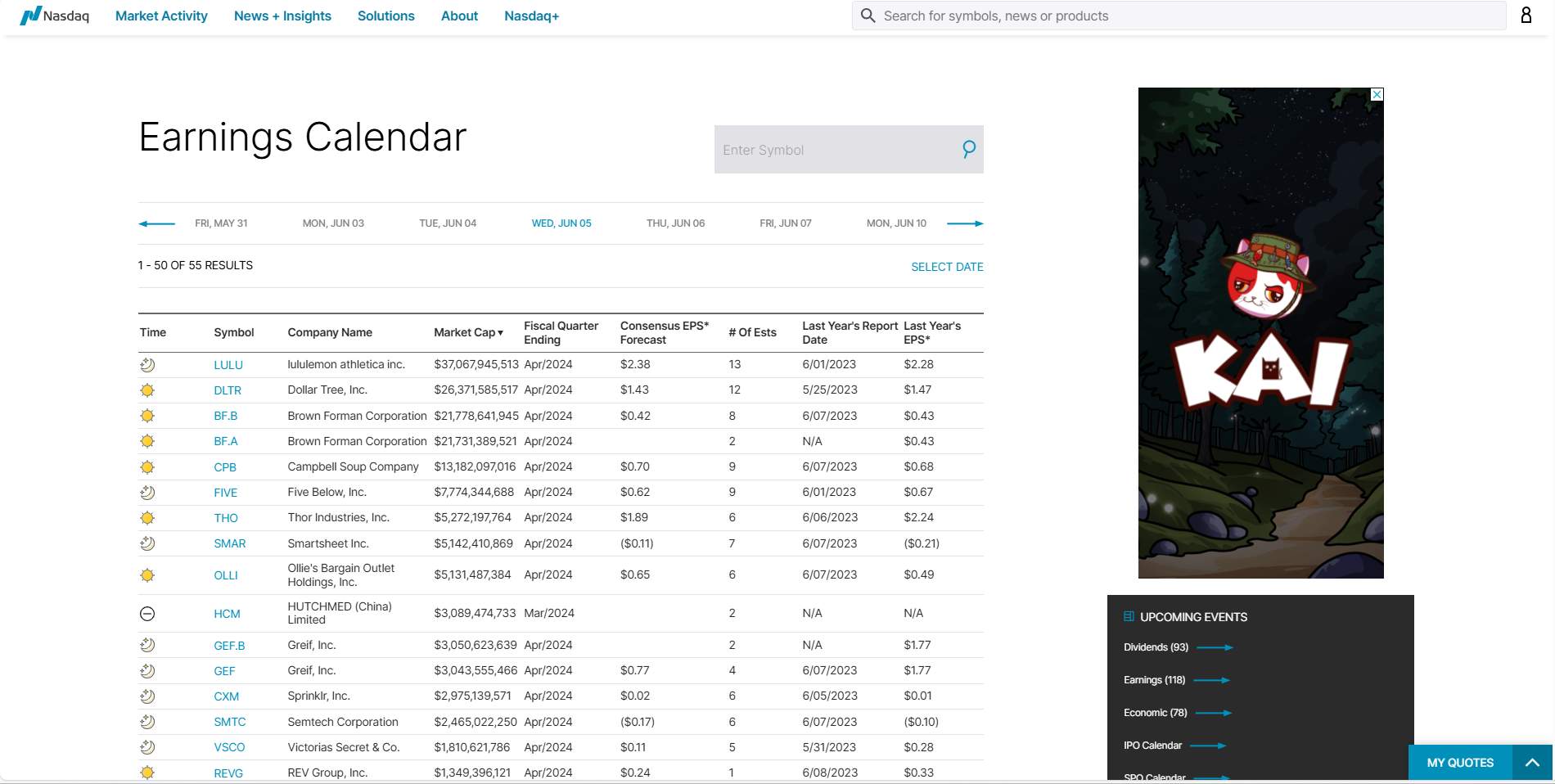
Market conditions can change rapidly due to economic events, political developments, or other external factors. Staying informed about current events and their potential impact on the markets can help you anticipate risks and adjust your trading strategies accordingly. Follow reliable news sources, and consider using economic calendars to keep track of important events.
Maintaining a trading journal
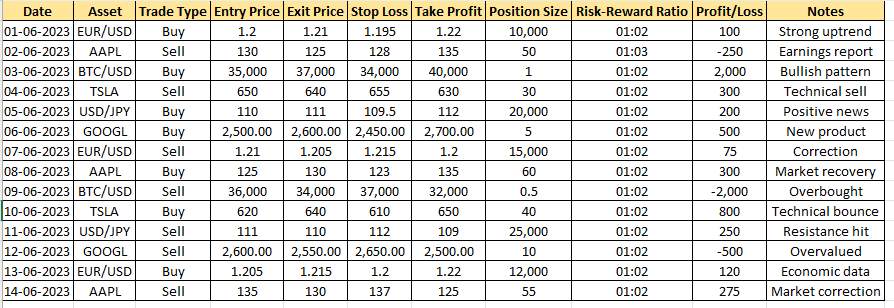
Keeping a detailed trading journal can help you analyze your trades, identify patterns, and learn from your mistakes. Record your trades, the reasons behind them, the outcomes, and any observations about market conditions. Reviewing your journal regularly can provide valuable insights into your trading performance and help you refine your risk management strategies.
Utilizing technical analysis
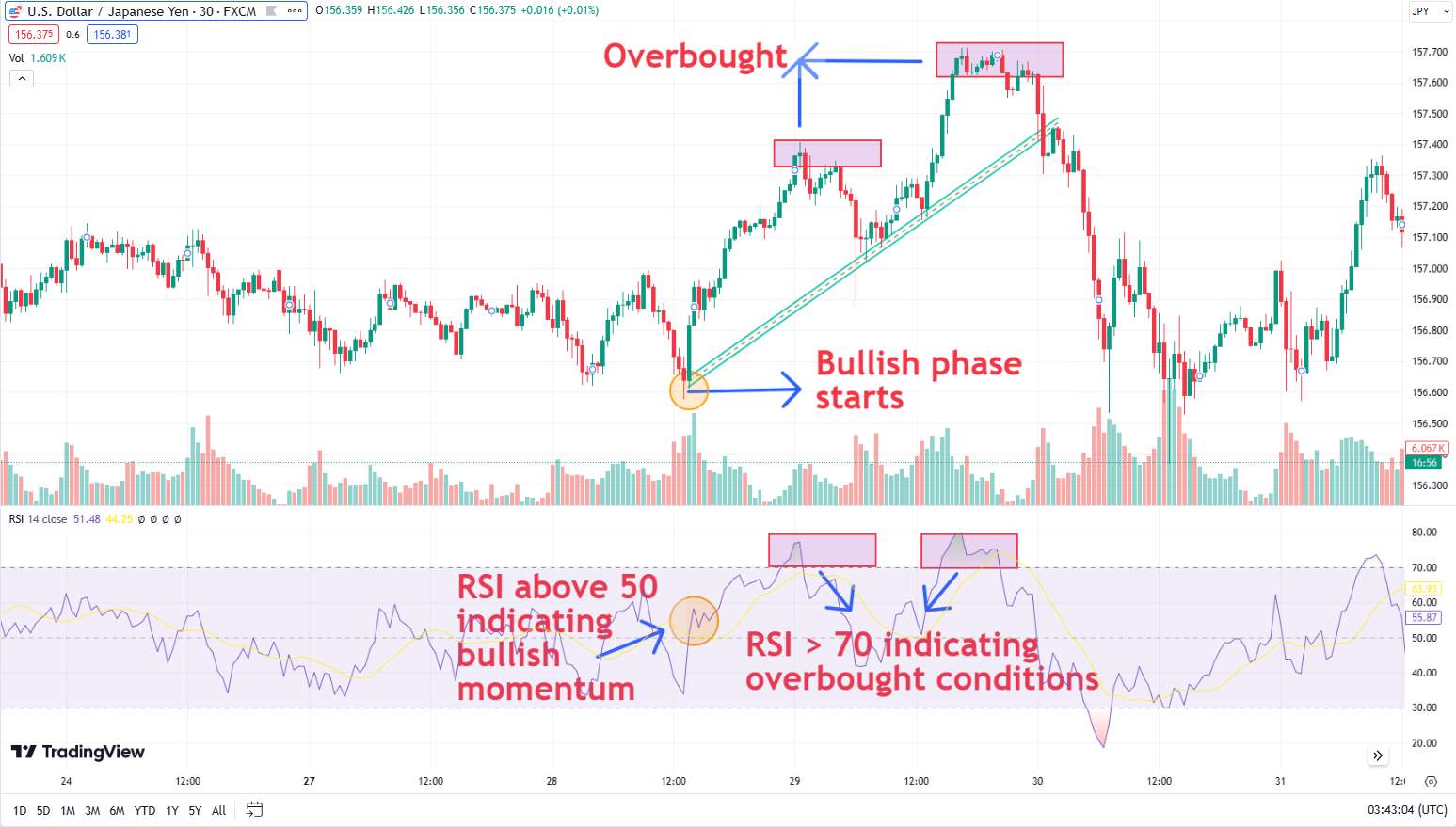
Technical analysis involves using historical price data and trading volume to forecast future market movements. By understanding chart patterns, indicators, and trends, traders can make more informed decisions and manage risk better. Tools such as moving averages, Relative Strength Index (RSI), and Bollinger Bands can help identify potential entry and exit points, thereby minimizing risk.
Implementing fundamental analysis
Fundamental analysis entails evaluating a security's intrinsic value by examining related economic, financial, and other qualitative and quantitative factors. For stocks, this might include analyzing a company’s financial statements, management team, and market position. For Forex, it could involve assessing economic indicators and geopolitical events. A thorough understanding of fundamentals helps traders anticipate long-term trends and make more strategic decisions.
Psychological aspects of risk management
The psychological aspect of trading is often overlooked but is a critical component of risk management. Emotions like fear, greed, and overconfidence can lead to poor decision-making and increased risk. Here are some tips to manage the psychological aspects of trading:
Develop a trading plan
A well-defined trading plan outlines your trading goals, strategies, risk tolerance, and rules for entering and exiting trades. Having a plan in place helps you stay focused and disciplined, reducing the influence of emotions on your trading decisions.
Stick to your plan
It's essential to adhere to your trading plan, especially during periods of market volatility. Deviating from your plan can lead to impulsive decisions and increased risk. Trust in your strategy and avoid making changes based on short-term market movements.
Manage stress
Trading can be stressful, and high stress levels can negatively impact your decision-making. Practice stress management techniques such as deep breathing, meditation, or regular exercise to keep stress levels in check.
Accept losses
Losses are a part of trading, and it's essential to accept them as such. Instead of dwelling on losses, focus on learning from them and improving your strategies. Maintaining a positive mindset can help you stay resilient and continue to grow as a trader.
Best Forex brokers
Before applying risk management strategies in real trading conditions, it is important to choose a broker that provides stable execution, transparent pricing, and reliable risk control tools. The quality of your trading environment can directly affect how effectively you manage risk.
The brokers listed below offer competitive conditions, platform stability, and features that support disciplined risk management across different market scenarios.
| Trading.com USA | zForex | Plus500 | OANDA | FOREX.com | |
|---|---|---|---|---|---|
|
Min. deposit, $ |
50 | 10 | 100 | No | 100 |
|
Tradable assets |
69 | 80 | 2800 | 129 | 5500 |
|
Standard EUR/USD spread |
1.1 | 0.3 | 0.7 | 0.3 | 1.0 |
|
Max. leverage |
1:50 | 1:1000 | 1:300 | 1:200 | 1:50 |
|
Max. Regulation Level |
Tier-1 | Not regulated | Tier-1 | Tier-1 | Tier-1 |
|
TU overall score |
8.8 | 7.89 | 7.54 | 6.87 | 6.82 |
|
Open an account |
Go to broker Your capital is at risk. |
Go to broker Your capital is at risk.
|
Go to broker 80% of retail CFD accounts lose money. |
Go to broker Your capital is at risk. |
Study review |
Use advanced risk management techniques

As a beginner in risk management, try using "dynamic risk adjustment." This means adjusting how much risk you're taking based on how the market is doing and how your investments are performing. For example, if your investments are doing well and the market is stable, you might take on more risk to boost your gains. On the flip side, if the market gets rocky or your investments start losing value, you reduce your risk to protect your money. This strategy requires keeping an eye on things regularly and being ready to make changes as needed.
Another tip is to use "risk parity" when deciding how to spread your investments. Instead of just dividing your money equally among different assets, you spread it based on how risky each one is. For example, if stocks are more unpredictable than bonds, you would put more money into bonds and less into stocks to balance things out. This way, each investment carries a similar amount of risk. It helps in keeping your overall investments stable, especially when the market is unpredictable. Understanding how risky each investment is can make your returns more steady and balanced.
Conclusion
Effective risk management is the cornerstone of sustainable trading success, empowering traders to protect their capital and navigate volatile markets with confidence. By combining strategies such as stop-loss orders, position sizing, and diversification, traders can minimize losses and maximize long-term gains—even when market conditions are unpredictable. For example, using the 2% rule ensures no single trade can devastate your account, while maintaining a trading journal helps fine-tune your approach over time. The most successful traders aren’t just experts in market analysis—they are disciplined risk managers at heart. Remember, in trading, your ability to manage risk is ultimately what sets you apart and secures your path to steady growth.
FAQs
How does diversification help reduce risk in trading portfolios?
What role does a trading journal play in effective risk management?
Why is leverage considered risky, and how can traders use it responsibly?
How do psychological factors impact risk management in trading?
Editors' Top Picks and Insights

Amazon flooded with AI books: Crisis of trust in literature market

From stablecoins to the metaverse: Meta's biggest bets that failed

Gold and silver: Why to buy in July

AI push hits Apple: MacBook and iPad prices rise as shares fall

Where World Cup 2026 stars invest: Football clubs, technology and crypto
CBDC ban: Why the U.S. does not need a digital dollar
Related Articles
Team that worked on the article
Mikhail Vnuchkov joined Traders Union as an author in 2020. He began his professional career as a journalist-observer at a small online financial publication, where he covered global economic events and discussed their impact on the segment of financial investment, including investor income.
Chinmay Soni is a financial analyst with more than 5 years of experience in working with stocks, Forex, derivatives, and other assets. As a founder of a boutique research firm and an active researcher, he covers various industries and fields, providing insights backed by statistical data.
Mirjan Hipolito is a journalist and news editor at Traders Union. She is an expert crypto writer with five years of experience in the financial markets.
FOMO in trading refers to the fear that traders or investors experience when they worry about missing out on a potentially profitable trading opportunity in the financial markets.
CFD is a contract between an investor/trader and seller that demonstrates that the trader will need to pay the price difference between the current value of the asset and its value at the time of contract to the seller.
Forex leverage is a tool enabling traders to control larger positions with a relatively small amount of capital, amplifying potential profits and losses based on the chosen leverage ratio.
Fundamental analysis is a method or tool that investors use that seeks to determine the intrinsic value of a security by examining economic and financial factors. It considers macroeconomic factors such as the state of the economy and industry conditions.
Forex trading, short for foreign exchange trading, is the practice of buying and selling currencies in the global foreign exchange market with the aim of profiting from fluctuations in exchange rates. Traders speculate on whether one currency will rise or fall in value relative to another currency and make trading decisions accordingly. However, beware that trading carries risks, and you can lose your whole capital.

-
 Afghanistan
-
 Albania
-
 Algeria
-
 Angola
-
 Argentina
-
 Armenia
-
 Australia
-
 Austria
-
 Azerbaijan
-
 Bahamas
-
 Bahrain
-
 Bangladesh
-
 Belarus
-
 Belgium
-
 Bolivia
-
 Botswana
-
 Brazil
-
 Brunei
-
 Bulgaria
-
 Cambodia
-
 Cameroon
-
 Canada
-
 Chile
Chile
-
 China
China
-
 Colombia
-
 Congo
Congo
-
 Costa Rica
-
 Cote d'Ivoire
-
 Croatia
-
 Cuba
Cuba
-
 Cyprus
-
 Czechia
-
 DR Congo
-
 Denmark
-
 Dominican Republic
-
 Ecuador
-
 Egypt
Egypt
-
 El Salvador
-
 Estonia
-
 Eswatini
-
 Ethiopia
-
 Finland
-
 France
-
 Georgia
-
 Germany
-
 Ghana
Ghana
-
 Greece
-
 Haiti
Haiti
-
 Hong Kong
-
 Hungary
-
 India
India
-
 Indonesia
-
 Iran, Islamic republic
-
 Iraq
Iraq
-
 Ireland
-
 Israel
-
 Italy
Italy
-
 Jamaica
-
 Japan
Japan
-
 Jordan
-
 Kazakhstan
-
 Kenya
Kenya
-
 Korea
Korea
-
 Kuwait
-
 Kyrgyzstan
-
 Laos
Laos
-
 Latvia
-
 Lebanon
-
 Lesotho
-
 Libya
Libya
-
 Lithuania
-
 Luxembourg
-
 Madagascar
-
 Malaysia
-
 Malta
Malta
-
 Mauritius
-
 Mexico
-
 Moldova
-
 Mongolia
-
 Montenegro
-
 Morocco
-
 Mozambique
-
 Myanmar
-
 Namibia
-
 Nepal
Nepal
-
 Netherlands
-
 New Zealand
-
 Nigeria
-
 North Macedonia
-
 Norway
-
 Oman
Oman
-
 Pakistan
-
 Palestine
-
 Panama
-
 Papua New Guinea
-
 Paraguay
-
 Peru
Peru
-
 Philippines
-
 Poland
-
 Portugal
-
 Puerto Rico
-
 Qatar
Qatar
-
 Reunion
-
 Romania
-
 Rwanda
-
 Saudi Arabia
-
 Serbia
-
 Singapore
-
 Slovakia
-
 Slovenia
-
 Somalia
-
 South Africa
-
 Spain
Spain
-
 Sri Lanka
-
 Sweden
-
 Switzerland
-
 Syria
Syria
-
 Taiwan
-
 Tajikistan
-
 Tanzania
-
 Thailand
-
 Trinidad and Tobago
-
 Tunisia
-
 Turkey
-
 UAE
UAE
-
 Uganda
-
 Ukraine
-
 United Kingdom
-
United States
-
 Uruguay
-
 Uzbekistan
-
 Venezuela
-
 Vietnam
-
 Yemen
Yemen
-
 Zambia
-
 Zimbabwe
- Forex
- Crypto











