
Leonardo warns EU antitrust demands could derail Europe space merger
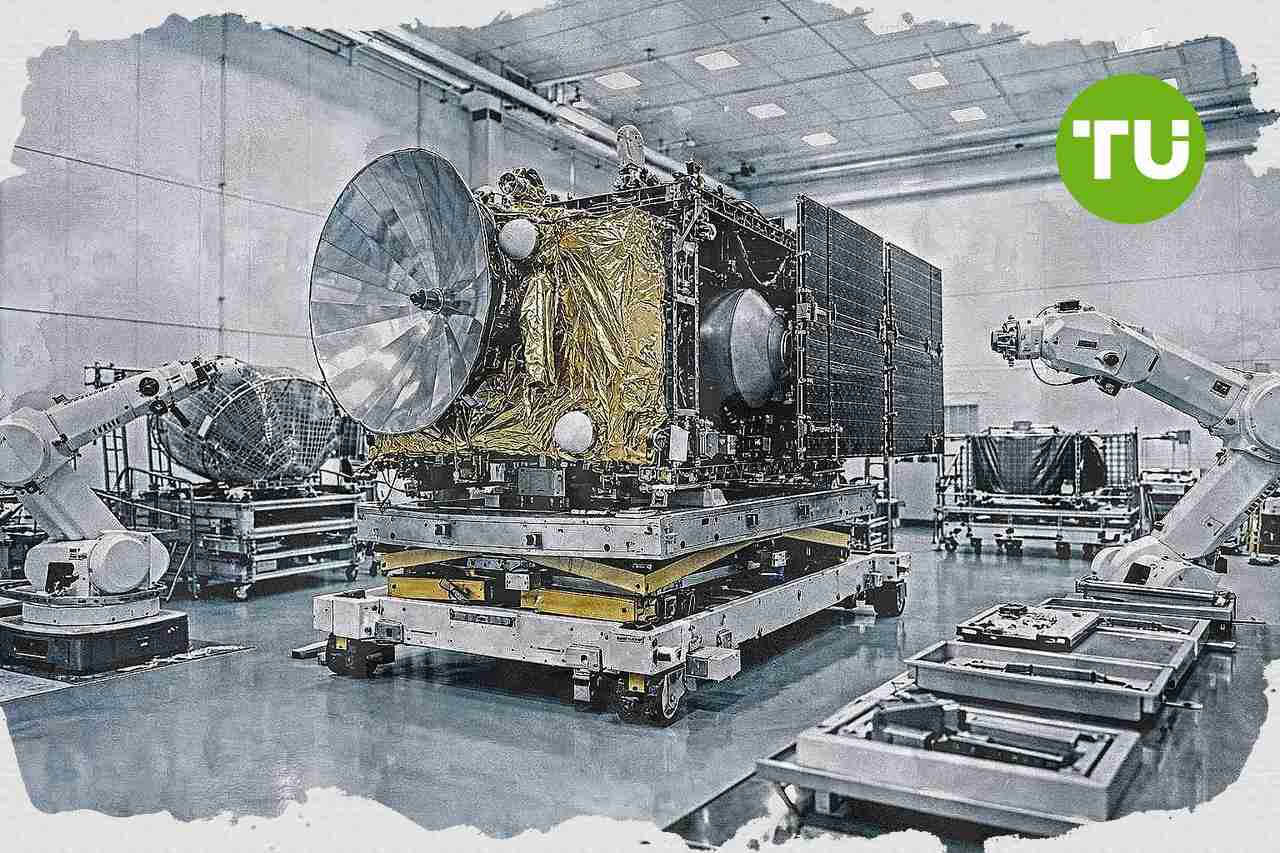
Europe's proposed satellite and space systems consolidation is moving toward a key regulatory phase as Airbus, Leonardo and Thales prepare to take their plan to Brussels. Leonardo says heavy antitrust remedies would undermine the deal's industrial logic at a time when the region is trying to build scale against U.S. and Chinese competitors.
Highlights
- Leonardo CEO Lorenzo Mariani warned at Farnborough that significant EU antitrust concessions would undermine the planned space merger with Airbus and Thales, expected for 2027.
- The Bromo project faces opposition from Germany's OHB and Spain's Indra Space, who argue the merger would weaken competition in Europe's satellite market.
- Merger supporters cite intensifying competition from SpaceX’s Starlink and geopolitical pressures as reasons to consolidate Europe's space sector for global competitiveness and sovereignty.
Merger plan faces regulatory test
As reported by the Financial Times, Leonardo chief executive Lorenzo Mariani says any major antitrust remedies from Brussels would destroy the rationale for the planned pan-European space merger. Speaking at the Farnborough International Airshow, he says the companies could discuss very minor structural measures, but argues that larger concessions would make the project unworkable.Airbus, Italy's Leonardo and France's Thales reached an agreement in October last year to combine businesses spanning satellite manufacturing, space systems and services. The project, codenamed Bromo, is expected to be submitted to EU antitrust authorities in the autumn, with the partners aiming to make the new company operational in 2027.
Mariani says it would be absurd for Brussels to seek structural concessions while also encouraging European industrial consolidation. The case is emerging as an early test of the European Commission's updated merger guidelines, which place greater emphasis on whether scale helps companies compete globally.
Pressure grows on Europe's space industry
The proposed tie-up is drawing opposition from other European industry players, including Germany's OHB and Spain's Indra Space, which fear the combination could weaken competition in the regional satellite market. Their concerns come as the EU balances competition policy against broader industrial and strategic goals.Brussels is also increasing its focus on European sovereignty in space as member states seek to reduce dependence on the U.S. in reconnaissance, intelligence and communications satellites. EU defence and space commissioner Andrius Kubilius backed the merger last month, underscoring the political support for stronger regional capabilities.
Europe's space sector is under growing pressure from U.S. and Chinese rivals, while satellite manufacturers are struggling to respond to the market shift driven by SpaceX's fast-expanding Starlink network. That competitive backdrop is reinforcing the argument from merger supporters that greater scale is needed to sustain Europe's position in the industry.
In our earlier report on the post-quantum encryption push reaching space systems, we explained how growing quantum-computing risks are driving governments and aerospace firms to harden satellite communications ahead of “Q-Day.” We also noted how this security imperative is influencing industry strategy, pointing to Rocket Lab’s planned acquisition of Iridium as a consolidation move aimed at strengthening secure, trusted connectivity for government and commercial users.


Latest Company News News





-
 Afghanistan
-
 Albania
-
 Algeria
-
 Angola
-
 Argentina
-
 Armenia
-
 Australia
-
 Austria
-
 Azerbaijan
-
 Bahamas
-
 Bahrain
-
 Bangladesh
-
 Belarus
-
 Belgium
-
 Bolivia
-
 Botswana
-
 Brazil
-
 Brunei
-
 Bulgaria
-
 Cambodia
-
 Cameroon
-
 Canada
-
 Chile
Chile
-
 China
China
-
 Colombia
-
 Congo
Congo
-
 Costa Rica
-
 Cote d'Ivoire
-
 Croatia
-
 Cuba
Cuba
-
 Cyprus
-
 Czechia
-
 DR Congo
-
 Denmark
-
 Dominican Republic
-
 Ecuador
-
 Egypt
Egypt
-
 El Salvador
-
 Estonia
-
 Eswatini
-
 Ethiopia
-
 Finland
-
 France
-
 Georgia
-
 Germany
-
 Ghana
Ghana
-
 Greece
-
 Haiti
Haiti
-
 Hong Kong
-
 Hungary
-
 India
India
-
 Indonesia
-
 Iran, Islamic republic
-
 Iraq
Iraq
-
 Ireland
-
 Israel
-
 Italy
Italy
-
 Jamaica
-
 Japan
Japan
-
 Jordan
-
 Kazakhstan
-
 Kenya
Kenya
-
 Korea
Korea
-
 Kuwait
-
 Kyrgyzstan
-
 Laos
Laos
-
 Latvia
-
 Lebanon
-
 Lesotho
-
 Libya
Libya
-
 Lithuania
-
 Luxembourg
-
 Madagascar
-
 Malaysia
-
 Malta
Malta
-
 Mauritius
-
 Mexico
-
 Moldova
-
 Mongolia
-
 Montenegro
-
 Morocco
-
 Mozambique
-
 Myanmar
-
 Namibia
-
 Nepal
Nepal
-
 Netherlands
-
 New Zealand
-
 Nigeria
-
 North Macedonia
-
 Norway
-
 Oman
Oman
-
 Pakistan
-
 Palestine
-
 Panama
-
 Papua New Guinea
-
 Paraguay
-
 Peru
Peru
-
 Philippines
-
 Poland
-
 Portugal
-
 Puerto Rico
-
 Qatar
Qatar
-
 Reunion
-
 Romania
-
 Rwanda
-
 Saudi Arabia
-
 Serbia
-
 Singapore
-
 Slovakia
-
 Slovenia
-
 Somalia
-
 South Africa
-
 Spain
Spain
-
 Sri Lanka
-
 Sweden
-
 Switzerland
-
 Syria
Syria
-
 Taiwan
-
 Tajikistan
-
 Tanzania
-
 Thailand
-
 Trinidad and Tobago
-
 Tunisia
-
 Turkey
-
 UAE
UAE
-
 Uganda
-
 Ukraine
-
 United Kingdom
-
United States
-
 Uruguay
-
 Uzbekistan
-
 Venezuela
-
 Vietnam
-
 Yemen
Yemen
-
 Zambia
-
 Zimbabwe
- Forex
- Crypto












