
Tesla robotaxi rollout slows as investors reassess autonomous growth prospects
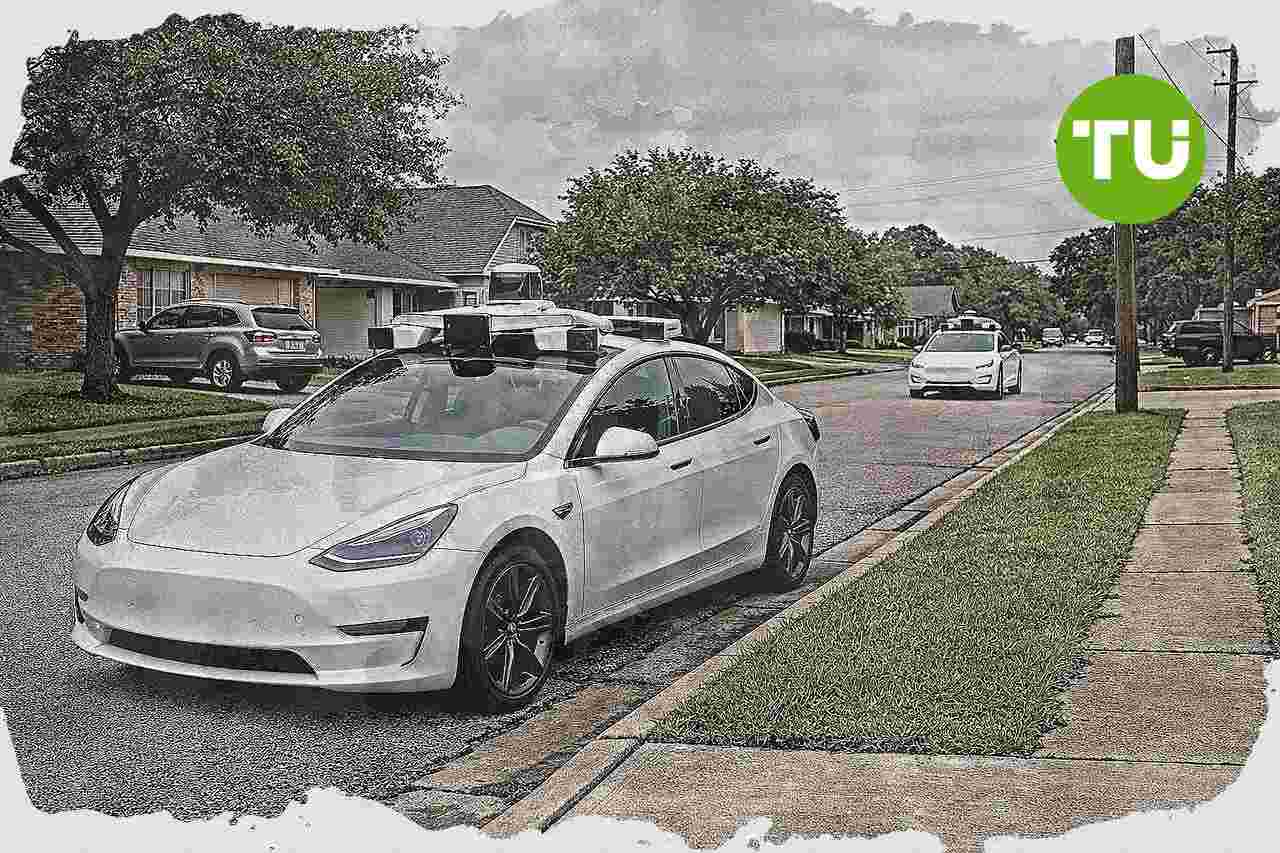
Tesla is tempering expectations for its robotaxi expansion after earlier projecting rapid U.S. coverage by the end of 2025. The company says its paid robotaxi service has logged 2.5 million miles, but its rollout remains limited to a small number of cities and mostly less busy areas.
Highlights
- Tesla slows robotaxi rollout to a city-by-city approach, citing regulatory and operational challenges after initially promising rapid expansion to half the U.S. by end-2025.
- Tesla's robotaxis have logged 2.5 million miles with paying customers—380,000 of which were fully unsupervised—compared to Waymo's 220 million autonomous miles through March, underscoring competitive gaps.
- Tesla stock trades at over 166 times forward earnings, down nearly 17% year-to-date and 4% premarket, as slower robotaxi deployment disappoints investors.
City-by-city expansion replaces earlier rapid-growth pitch
As reported by Reuters, Tesla executives adopt a more cautious stance on scaling robotaxi operations during Wednesday's earnings call, emphasizing regulatory differences and operational hurdles in each market. The shift marks a contrast with Elon Musk's statement a year earlier that the network would grow at a "hyper-exponential rate" and reach half of the U.S. population by the end of 2025.Since starting a small pilot in Austin in June 2025, Tesla expands to only a handful of cities in Texas and Florida. The company says paying customers have traveled 2.5 million miles in the service, including 380,000 miles without an in-vehicle safety monitor.
Lars Moravy, Tesla's vice president of vehicle engineering, says the company is moving city by city to satisfy local regulatory requirements. Chief Financial Officer Vaibhav Taneja adds that Tesla is working through software and operational issues with a smaller controlled fleet before increasing deployment more aggressively.
Competitive pressure and valuation remain in focus
Tesla's unsupervised robotaxi mileage remains far below Waymo's more than 220 million autonomous miles driven through the end of March, highlighting Alphabet's lead in commercial driverless taxi deployment. Forrester analyst Paul Miller and Barclays analysts both point to slower expansion than some investors expected, even though Tesla's perceived advantage has been its ability to scale quickly.Investor expectations remain closely tied to robotaxis and Optimus humanoid robots as future revenue engines. Tesla shares trade at more than 166 times forward earnings estimates, and the stock is down nearly 17% this year as of the last close, with premarket trading down about 4%.
In a January investor presentation, Tesla says it aims to expand robotaxis to seven metro areas by the end of June, including Dallas, Houston, Phoenix, Miami, Orlando, Tampa and Las Vegas. By Tuesday it has launched in Dallas, Houston and Miami, and then announces service in Tampa and Orlando, but service zones in Houston, Miami, Tampa and Orlando remain limited to outlying neighborhoods rather than dense city centers.
Reuters tested the robotaxi service after launches in Dallas and Houston and finds long wait times, with some periods showing no availability at all. Musk says Tesla is still trying to balance speed with safety, adding that the company wants to grow robotaxi operations as fast as possible without causing harm.
Our earlier report on Alphabet and Tesla’s latest earnings highlighted how rising AI and infrastructure spending is testing investor patience, even as revenue beat expectations. We noted that both companies posted negative free cash flow for Q2 and reiterated large capital expenditure plans, which weighed on their shares as markets focused on cash demands rather than topline growth.









-
 Afghanistan
-
 Albania
-
 Algeria
-
 Angola
-
 Argentina
-
 Armenia
-
 Australia
-
 Austria
-
 Azerbaijan
-
 Bahamas
-
 Bahrain
-
 Bangladesh
-
 Belarus
-
 Belgium
-
 Bolivia
-
 Botswana
-
 Brazil
-
 Brunei
-
 Bulgaria
-
 Cambodia
-
 Cameroon
-
 Canada
-
 Chile
Chile
-
 China
China
-
 Colombia
-
 Congo
Congo
-
 Costa Rica
-
 Cote d'Ivoire
-
 Croatia
-
 Cuba
Cuba
-
 Cyprus
-
 Czechia
-
 DR Congo
-
 Denmark
-
 Dominican Republic
-
 Ecuador
-
 Egypt
Egypt
-
 El Salvador
-
 Estonia
-
 Eswatini
-
 Ethiopia
-
 Finland
-
 France
-
 Georgia
-
 Germany
-
 Ghana
Ghana
-
 Greece
-
 Haiti
Haiti
-
 Hong Kong
-
 Hungary
-
 India
India
-
 Indonesia
-
 Iran, Islamic republic
-
 Iraq
Iraq
-
 Ireland
-
 Israel
-
 Italy
Italy
-
 Jamaica
-
 Japan
Japan
-
 Jordan
-
 Kazakhstan
-
 Kenya
Kenya
-
 Korea
Korea
-
 Kuwait
-
 Kyrgyzstan
-
 Laos
Laos
-
 Latvia
-
 Lebanon
-
 Lesotho
-
 Libya
Libya
-
 Lithuania
-
 Luxembourg
-
 Madagascar
-
 Malaysia
-
 Malta
Malta
-
 Mauritius
-
 Mexico
-
 Moldova
-
 Mongolia
-
 Montenegro
-
 Morocco
-
 Mozambique
-
 Myanmar
-
 Namibia
-
 Nepal
Nepal
-
 Netherlands
-
 New Zealand
-
 Nigeria
-
 North Macedonia
-
 Norway
-
 Oman
Oman
-
 Pakistan
-
 Palestine
-
 Panama
-
 Papua New Guinea
-
 Paraguay
-
 Peru
Peru
-
 Philippines
-
 Poland
-
 Portugal
-
 Puerto Rico
-
 Qatar
Qatar
-
 Reunion
-
 Romania
-
 Rwanda
-
 Saudi Arabia
-
 Serbia
-
 Singapore
-
 Slovakia
-
 Slovenia
-
 Somalia
-
 South Africa
-
 Spain
Spain
-
 Sri Lanka
-
 Sweden
-
 Switzerland
-
 Syria
Syria
-
 Taiwan
-
 Tajikistan
-
 Tanzania
-
 Thailand
-
 Trinidad and Tobago
-
 Tunisia
-
 Turkey
-
 UAE
UAE
-
 Uganda
-
 Ukraine
-
 United Kingdom
-
United States
-
 Uruguay
-
 Uzbekistan
-
 Venezuela
-
 Vietnam
-
 Yemen
Yemen
-
 Zambia
-
 Zimbabwe
- Forex
- Crypto












