
Hormuz shipping traffic falls as conflict disrupts Gulf energy corridor
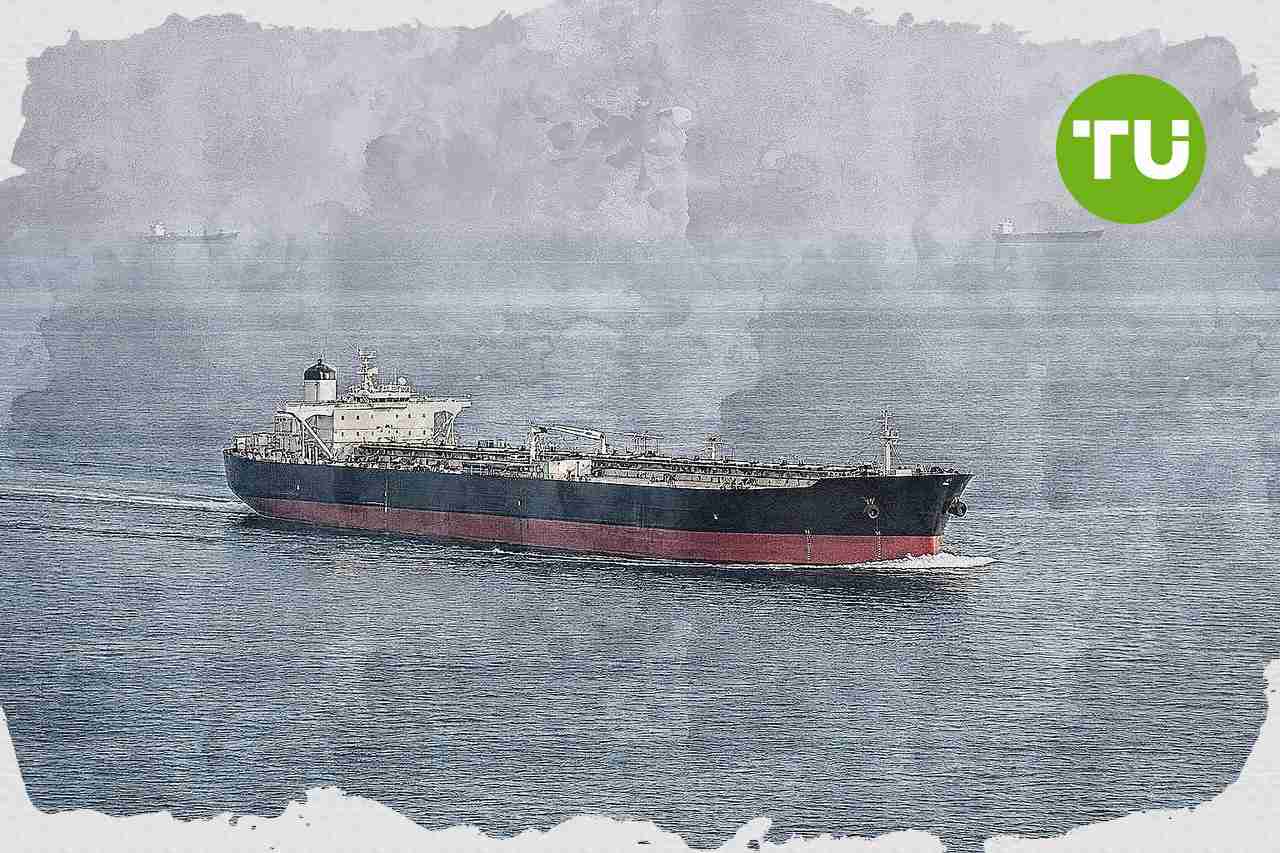
Commercial shipping through the Strait of Hormuz is shrinking sharply as fighting between the U.S. and Iran intensifies around one of the world’s most important oil transit routes. Vessel movements have shifted away from the U.S.-protected corridor near Oman, raising new risks for crude flows and regional maritime security.
Highlights
- On Sunday, only 14 ships—four crude oil tankers—included, transited Hormuz, down 60% from 37 last week and over 100 before Feb. 28.
- Attacks by Iran have pushed commercial vessels to use the northern route through Iranian waters, causing southern lane traffic and Omani route activity to collapse.
- Iran demands all ships use its northern passage while Trump threatens a U.S. naval blockade and requests ships pay the U.S. 20% of cargo value for protection.
Traffic drop deepens amid route shift
As reported by CNBC, citing Kpler, 14 ships transited Hormuz on Sunday, including four crude oil tankers, down about 60% from the 37 vessels that crossed on the same day last week.Before the U.S. and Israel launched the war with Iran on Feb. 28, more than 100 ships were transiting Hormuz each day. The latest decline follows Iranian attacks on commercial vessels, which have triggered renewed fighting between Washington and Tehran.
Ships are increasingly using a northern route through Iranian territorial waters after the attacks, while traffic through the southern sea lane protected by the U.S. military has weakened sharply. Windward said in a social media post that movement through that southern corridor has effectively collapsed, and Kpler said traffic through the Omani route has all but disappeared over the weekend.
Energy trade risks rise across the Gulf
Iran is demanding that all ships use the northern passage, after repeatedly attacking commercial vessels moving along the route near Oman. The U.S. has responded with repeated strikes on Iran, and Tehran has struck back by firing on U.S. allies in the Gulf.U.S. Central Command says Hormuz remains open and that traffic is still flowing through the strait. However, some ships are moving through the southern route with transponders turned off, making it harder to determine how many vessels are still using that corridor.
President Donald Trump says he will reimpose the U.S. naval blockade against Iran. He also demands that ships pay the U.S. 20% of the value of their cargo as reimbursement for protection.
In our earlier coverage of President Trump’s proposed Strait of Hormuz blockade and 20% cargo fee, we explained how the plan was framed as a U.S.-led security measure aimed at Iranian ships and customers. We also noted that the announcement added fresh uncertainty for shipping through this key energy chokepoint and quickly fed into oil-market risk pricing as traders weighed the potential for disruptions.


Latest USA News







-
 Afghanistan
-
 Albania
-
 Algeria
-
 Angola
-
 Argentina
-
 Armenia
-
 Australia
-
 Austria
-
 Azerbaijan
-
 Bahamas
-
 Bahrain
-
 Bangladesh
-
 Belarus
-
 Belgium
-
 Bolivia
-
 Botswana
-
 Brazil
-
 Brunei
-
 Bulgaria
-
 Cambodia
-
 Cameroon
-
 Canada
-
 Chile
Chile
-
 China
China
-
 Colombia
-
 Congo
Congo
-
 Costa Rica
-
 Cote d'Ivoire
-
 Croatia
-
 Cuba
Cuba
-
 Cyprus
-
 Czechia
-
 DR Congo
-
 Denmark
-
 Dominican Republic
-
 Ecuador
-
 Egypt
Egypt
-
 El Salvador
-
 Estonia
-
 Eswatini
-
 Ethiopia
-
 Finland
-
 France
-
 Georgia
-
 Germany
-
 Ghana
Ghana
-
 Greece
-
 Haiti
Haiti
-
 Hong Kong
-
 Hungary
-
 India
India
-
 Indonesia
-
 Iran, Islamic republic
-
 Iraq
Iraq
-
 Ireland
-
 Israel
-
 Italy
Italy
-
 Jamaica
-
 Japan
Japan
-
 Jordan
-
 Kazakhstan
-
 Kenya
Kenya
-
 Korea
Korea
-
 Kuwait
-
 Kyrgyzstan
-
 Laos
Laos
-
 Latvia
-
 Lebanon
-
 Lesotho
-
 Libya
Libya
-
 Lithuania
-
 Luxembourg
-
 Madagascar
-
 Malaysia
-
 Malta
Malta
-
 Mauritius
-
 Mexico
-
 Moldova
-
 Mongolia
-
 Montenegro
-
 Morocco
-
 Mozambique
-
 Myanmar
-
 Namibia
-
 Nepal
Nepal
-
 Netherlands
-
 New Zealand
-
 Nigeria
-
 North Macedonia
-
 Norway
-
 Oman
Oman
-
 Pakistan
-
 Palestine
-
 Panama
-
 Papua New Guinea
-
 Paraguay
-
 Peru
Peru
-
 Philippines
-
 Poland
-
 Portugal
-
 Puerto Rico
-
 Qatar
Qatar
-
 Reunion
-
 Romania
-
 Rwanda
-
 Saudi Arabia
-
 Serbia
-
 Singapore
-
 Slovakia
-
 Slovenia
-
 Somalia
-
 South Africa
-
 Spain
Spain
-
 Sri Lanka
-
 Sweden
-
 Switzerland
-
 Syria
Syria
-
 Taiwan
-
 Tajikistan
-
 Tanzania
-
 Thailand
-
 Trinidad and Tobago
-
 Tunisia
-
 Turkey
-
 UAE
UAE
-
 Uganda
-
 Ukraine
-
 United Kingdom
-
United States
-
 Uruguay
-
 Uzbekistan
-
 Venezuela
-
 Vietnam
-
 Yemen
Yemen
-
 Zambia
-
 Zimbabwe
- Forex
- Crypto











