
Oil falls as ceasefire hopes counter Middle East supply risks

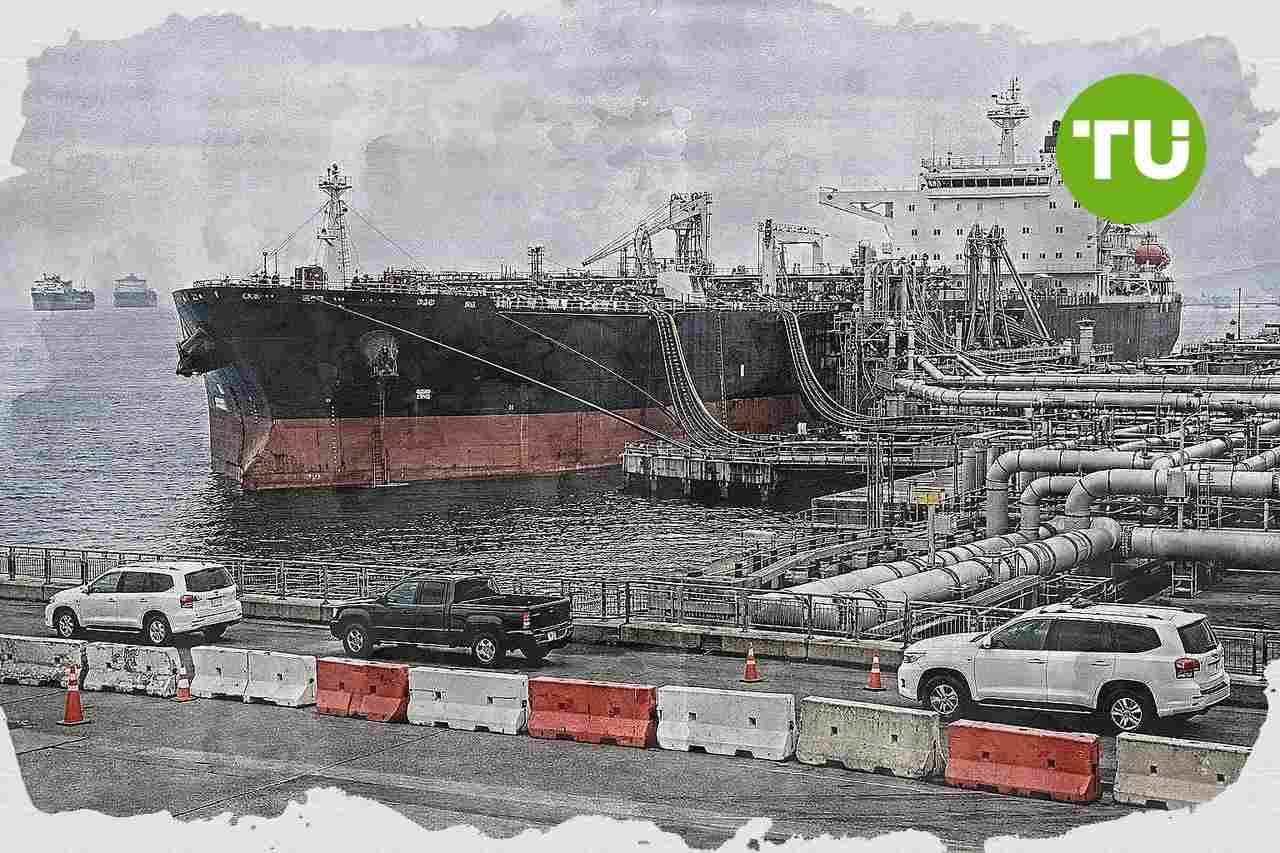
Oil prices edged lower on Tuesday as traders weighed possible mediation between Washington and Tehran against renewed military attacks and mounting risks to Gulf shipping. The prospect of a temporary ceasefire limited buying even as violence continued near two of the world's most important energy routes.
Highlights
- Brent fell to $88.45, while WTI declined to $82.10.
- Mediators have proposed a 10-day ceasefire.
- Hormuz vessel traffic has fallen sharply.
- A Houthi threat adds new risks to Saudi oil exports.
September Brent futures traded at $88.45 a barrel, down 0.86%, while September U.S. West Texas Intermediate futures fell 0.46% to $82.10, according to the latest market data. Mediators have proposed a 10-day ceasefire aimed at restoring an interim agreement signed in June, Reuters reports.
Diplomacy meets continued fighting
The proposed pause has offered markets some hope that the conflict could be contained. However, major differences remain between the United States and Iran, and both sides continued attacks overnight.
The U.S. military began another round of strikes on Iranian targets, while Iran's Revolutionary Guards attacked American military assets across the region. The continuing exchange has made traders reluctant to remove the geopolitical risk premium from crude prices.
A tanker northeast of Oman was also struck by an unknown projectile. Its crew abandoned the vessel and boarded a lifeboat, adding to concerns about the safety of commercial ships near the Strait of Hormuz.
Shipping through Hormuz slows sharply
Traffic through the strait has fallen as shipowners reassess the danger of entering the Gulf. Only four commodity vessels crossed on Monday, down from seven a day earlier.
Lloyd's List Intelligence recorded 53 vessel transits in the week through July 20, a decline of 66% from 157 during the previous week. Movements by tankers and gas carriers fell from 90 to 30.
The pressure is no longer limited to Hormuz. Yemen's Iran-aligned Houthis have threatened to impose a naval blockade on Saudi Arabia, potentially exposing Red Sea oil routes and the Bab el Mandeb Strait to further disruption.
Supply risks keep the market on edge
The modest decline in prices shows that traders are giving some weight to diplomacy but remain concerned about physical supply. Hormuz handles a large share of Gulf oil and gas exports, while Bab el Mandeb is central to Saudi shipments through the Red Sea.
Any successful ceasefire could reduce the risk premium. Further tanker attacks or an enforced blockade, however, could quickly reverse Tuesday's decline and raise transport, insurance, and energy costs worldwide.
Earlier, we reported that Hormuz shipping slows as U.S.-Iran conflict widens.








-
 Afghanistan
-
 Albania
-
 Algeria
-
 Angola
-
 Argentina
-
 Armenia
-
 Australia
-
 Austria
-
 Azerbaijan
-
 Bahamas
-
 Bahrain
-
 Bangladesh
-
 Belarus
-
 Belgium
-
 Bolivia
-
 Botswana
-
 Brazil
-
 Brunei
-
 Bulgaria
-
 Cambodia
-
 Cameroon
-
 Canada
-
 Chile
Chile
-
 China
China
-
 Colombia
-
 Congo
Congo
-
 Costa Rica
-
 Cote d'Ivoire
-
 Croatia
-
 Cuba
Cuba
-
 Cyprus
-
 Czechia
-
 DR Congo
-
 Denmark
-
 Dominican Republic
-
 Ecuador
-
 Egypt
Egypt
-
 El Salvador
-
 Estonia
-
 Eswatini
-
 Ethiopia
-
 Finland
-
 France
-
 Georgia
-
 Germany
-
 Ghana
Ghana
-
 Greece
-
 Haiti
Haiti
-
 Hong Kong
-
 Hungary
-
 India
India
-
 Indonesia
-
 Iran, Islamic republic
-
 Iraq
Iraq
-
 Ireland
-
 Israel
-
 Italy
Italy
-
 Jamaica
-
 Japan
Japan
-
 Jordan
-
 Kazakhstan
-
 Kenya
Kenya
-
 Korea
Korea
-
 Kuwait
-
 Kyrgyzstan
-
 Laos
Laos
-
 Latvia
-
 Lebanon
-
 Lesotho
-
 Libya
Libya
-
 Lithuania
-
 Luxembourg
-
 Madagascar
-
 Malaysia
-
 Malta
Malta
-
 Mauritius
-
 Mexico
-
 Moldova
-
 Mongolia
-
 Montenegro
-
 Morocco
-
 Mozambique
-
 Myanmar
-
 Namibia
-
 Nepal
Nepal
-
 Netherlands
-
 New Zealand
-
 Nigeria
-
 North Macedonia
-
 Norway
-
 Oman
Oman
-
 Pakistan
-
 Palestine
-
 Panama
-
 Papua New Guinea
-
 Paraguay
-
 Peru
Peru
-
 Philippines
-
 Poland
-
 Portugal
-
 Puerto Rico
-
 Qatar
Qatar
-
 Reunion
-
 Romania
-
 Rwanda
-
 Saudi Arabia
-
 Serbia
-
 Singapore
-
 Slovakia
-
 Slovenia
-
 Somalia
-
 South Africa
-
 Spain
Spain
-
 Sri Lanka
-
 Sweden
-
 Switzerland
-
 Syria
Syria
-
 Taiwan
-
 Tajikistan
-
 Tanzania
-
 Thailand
-
 Trinidad and Tobago
-
 Tunisia
-
 Turkey
-
 UAE
UAE
-
 Uganda
-
 Ukraine
-
 United Kingdom
-
United States
-
 Uruguay
-
 Uzbekistan
-
 Venezuela
-
 Vietnam
-
 Yemen
Yemen
-
 Zambia
-
 Zimbabwe
- Forex
- Crypto












