


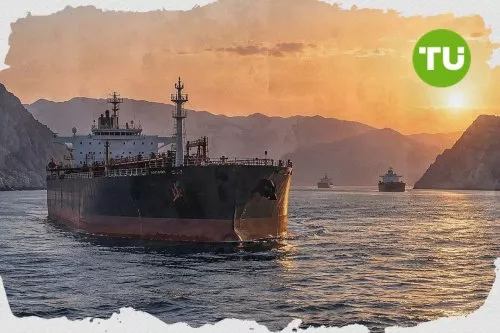
U.S. WTI crude oil is trading around $85.4 per barrel today, having pulled back from the intraday high of $86.3. The main impulse comes from the return of a significant geopolitical risk premium, as talks aimed at normalizing shipping through the Strait of Hormuz have reached a dead end, commercial transit remains well below normal, and Washington and Tehran give different assessments of the actual status of the waterway.

Before the conflict, around one-fifth of global oil and LNG supplies passed through the Strait of Hormuz, so even without a complete halt in exports, the ongoing uncertainty is forcing the market to maintain an elevated risk premium. Additional pressure on logistics comes from new incidents involving vessels and escalating tensions between Iran and countries in the region.
U.S. inventories send mixed signals
U.S. data are giving a more mixed signal for now. In the previous EIA report, commercial crude oil inventories unexpectedly surged by 17.4 million barrels to 424.4 million, although they are still around 2% below the five-year average. At the same time, gasoline inventories fell by 1 million barrels and remain roughly 6% below the five-year average, while distillate stocks declined by another 0.1 million barrels and are around 12% below normal levels.
Today, the market is awaiting the new EIA report for the week ended August 14. The Reuters consensus points to a decline in crude inventories of around 0.6 million barrels, while preliminary API data already indicated a drop in crude and distillate inventories alongside an increase in gasoline stocks. Therefore, a significant decline in commercial inventories after the previous unusually large build could strengthen support for WTI, while another increase in inventories could trigger profit-taking after four consecutive days of gains.
Hormuz risks keep geopolitical premium elevated
Overall, WTI is currently trading under the influence of two strong but conflicting factors: a shortage of Middle Eastern supplies and risks surrounding the Strait of Hormuz are supporting buyers, while weakening global demand and the prospect of a gradual recovery in production are limiting further upside potential.
WTI faces resistance after recent rally
The inability of bulls to break the current resistance could trigger the liquidation of long positions, which may lead to a break below support around $84.80-84.40 and a decline toward $84.00-83.40. However, as I warned in WTI holds above $85 as Middle East risks support oil prices, in the event of an escalation in the Middle East, resistance could be broken, opening the way for a move toward $87.00-87.50.






Latest WTI News


-
 Afghanistan
-
 Albania
-
 Algeria
-
 Angola
-
 Argentina
-
 Armenia
-
 Australia
-
 Austria
-
 Azerbaijan
-
 Bahamas
-
 Bahrain
-
 Bangladesh
-
 Belarus
-
 Belgium
-
 Bolivia
-
 Botswana
-
 Brazil
-
 Brunei
-
 Bulgaria
-
 Cambodia
-
 Cameroon
-
 Canada
-
 Chile
-
 China
-
 Colombia
-
 Congo
-
 Costa Rica
-
 Cote d'Ivoire
-
 Croatia
-
 Cuba
-
 Cyprus
-
 Czechia
-
 DR Congo
-
 Denmark
-
 Dominican Republic
-
 Ecuador
-
 Egypt
-
 El Salvador
-
 Estonia
-
 Eswatini
-
 Ethiopia
-
 Finland
-
 France
-
 Georgia
-
 Germany
-
 Ghana
-
 Greece
-
 Haiti
-
 Hong Kong
-
 Hungary
-
 India
-
 Indonesia
-
 Iran, Islamic republic
-
 Iraq
-
 Ireland
-
 Israel
-
 Italy
-
 Jamaica
-
 Japan
-
 Jordan
-
 Kazakhstan
-
 Kenya
-
 Korea
-
 Kuwait
-
 Kyrgyzstan
-
 Laos
-
 Latvia
-
 Lebanon
-
 Lesotho
-
 Libya
-
 Lithuania
-
 Luxembourg
-
 Madagascar
-
 Malaysia
-
 Malta
-
 Mauritius
-
 Mexico
-
 Moldova
-
 Mongolia
-
 Montenegro
-
 Morocco
-
 Mozambique
-
 Myanmar
-
 Namibia
-
 Nepal
-
 Netherlands
-
 New Zealand
-
 Nigeria
-
 North Macedonia
-
 Norway
-
 Oman
-
 Pakistan
-
 Palestine
-
 Panama
-
 Papua New Guinea
-
 Paraguay
-
 Peru
-
 Philippines
-
 Poland
-
 Portugal
-
 Puerto Rico
-
 Qatar
-
 Reunion
-
 Romania
-
 Rwanda
-
 Saudi Arabia
-
 Serbia
-
 Singapore
-
 Slovakia
-
 Slovenia
-
 Somalia
-
 South Africa
-
 Spain
-
 Sri Lanka
-
 Sweden
-
 Switzerland
-
 Syria
-
 Taiwan
-
 Tajikistan
-
 Tanzania
-
 Thailand
-
 Trinidad and Tobago
-
 Tunisia
-
 Turkey
-
 UAE
-
 Uganda
-
 Ukraine
-
 United Kingdom
-
United States
-
 Uruguay
-
 Uzbekistan
-
 Venezuela
-
 Vietnam
-
 Yemen
-
 Zambia
-
 Zimbabwe
- Forex
- Crypto












