

Brent tops $109 as supply risks deepen

Oil prices climbed nearly 4% on Monday as a shutdown of Saudi Arabia’s East-West pipeline and renewed attacks on shipping intensified concerns over global crude supplies. The disruption has increased pressure on alternative export routes at a time when traffic through the Strait of Hormuz is already severely constrained.
Highlights
- Brent rose 4.38% to $109.19 a barrel.
- WTI gained 4.16% to $104.21 a barrel.
- Yanbu inventories could cover five to seven days.
- Up to 4% of global supply could face additional risk.
Brent crude futures are trading at $109.19 a barrel, up 4.38%, while WTI futures are at $104.21 a barrel, up 4.16%. The gains came as traders assessed Saudi Arabia’s ability to maintain oil exports through routes that bypass the Strait of Hormuz, Reuters reported.
Saudi outage puts alternative route at risk
The 1,200-kilometer East-West pipeline connects the Abqaiq oil hub with the Red Sea port of Yanbu. Its role has become more important as the U.S.-Iran conflict disrupts one of the world's most critical maritime energy corridors.
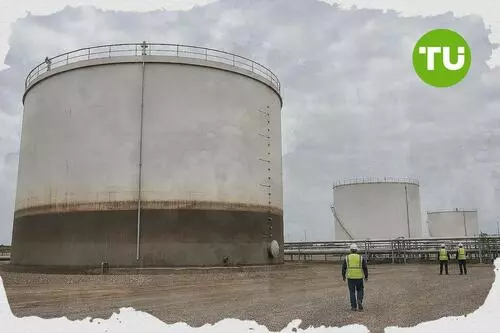
With the pipeline offline, Yanbu has enough stored crude to maintain exports for only about five to seven days, based on industry estimates cited in the report. If the interruption lasts beyond that buffer, as much as 4% of the global oil supply could face additional risk.
Pressure is also building around the Bab el-Mandeb Strait. Iran-aligned Houthis reached the strategic Yemeni island of Perim on Friday, adding another layer of uncertainty around Red Sea shipping and the routes used to move energy supplies toward Europe.
Hormuz disruption adds to market pressure
Shipping conditions around Hormuz remain unstable. A vessel was struck by a projectile on Sunday, triggering a fire and forcing its crew to evacuate, while Iran reported casualties aboard a separate Iranian commercial vessel.
Diplomatic prospects also weakened after a planned meeting in Oman involving Iran and Gulf states was postponed. The talks had been expected to address conditions around Hormuz, where restrictions have already sharply altered regional energy flows.
The latest gains extend a rally that pushed oil roughly 9% higher last week. Brent moved above $100 for the first time since July and approached $110, while U.S. diesel prices surpassed $6 a gallon.
Supply risks keep oil near recent highs
The market is increasingly confronting simultaneous pressure on both Gulf and Red Sea export routes. Saudi inventories may cushion the immediate impact of the pipeline outage, but that protection diminishes quickly if repairs take longer than expected.
Traders are attaching a larger risk premium to physical supply as disruptions threaten key Middle Eastern export routes. Prolonged outages could intensify inflation pressures, adding further strain to global bond markets and complicating the outlook for interest rates.
As we previously reported, Iran strikes vessels in Strait of Hormuz.






Latest Brent News




-
 Afghanistan
-
 Albania
-
 Algeria
-
 Angola
-
 Argentina
-
 Armenia
-
 Australia
-
 Austria
-
 Azerbaijan
-
 Bahamas
-
 Bahrain
-
 Bangladesh
-
 Belarus
-
 Belgium
-
 Bolivia
-
 Botswana
-
 Brazil
-
 Brunei
-
 Bulgaria
-
 Cambodia
-
 Cameroon
-
 Canada
-
 Chile
-
 China
-
 Colombia
-
 Congo
-
 Costa Rica
-
 Cote d'Ivoire
-
 Croatia
-
 Cuba
-
 Cyprus
-
 Czechia
-
 DR Congo
-
 Denmark
-
 Dominican Republic
-
 Ecuador
-
 Egypt
-
 El Salvador
-
 Estonia
-
 Eswatini
-
 Ethiopia
-
 Finland
-
 France
-
 Georgia
-
 Germany
-
 Ghana
-
 Greece
-
 Haiti
-
 Hong Kong
-
 Hungary
-
 India
-
 Indonesia
-
 Iran, Islamic republic
-
 Iraq
-
 Ireland
-
 Israel
-
 Italy
-
 Jamaica
-
 Japan
-
 Jordan
-
 Kazakhstan
-
 Kenya
-
 Korea
-
 Kuwait
-
 Kyrgyzstan
-
 Laos
-
 Latvia
-
 Lebanon
-
 Lesotho
-
 Libya
-
 Lithuania
-
 Luxembourg
-
 Madagascar
-
 Malaysia
-
 Malta
-
 Mauritius
-
 Mexico
-
 Moldova
-
 Mongolia
-
 Montenegro
-
 Morocco
-
 Mozambique
-
 Myanmar
-
 Namibia
-
 Nepal
-
 Netherlands
-
 New Zealand
-
 Nigeria
-
 North Macedonia
-
 Norway
-
 Oman
-
 Pakistan
-
 Palestine
-
 Panama
-
 Papua New Guinea
-
 Paraguay
-
 Peru
-
 Philippines
-
 Poland
-
 Portugal
-
 Puerto Rico
-
 Qatar
-
 Reunion
-
 Romania
-
 Rwanda
-
 Saudi Arabia
-
 Serbia
-
 Singapore
-
 Slovakia
-
 Slovenia
-
 Somalia
-
 South Africa
-
 Spain
-
 Sri Lanka
-
 Sweden
-
 Switzerland
-
 Syria
-
 Taiwan
-
 Tajikistan
-
 Tanzania
-
 Thailand
-
 Trinidad and Tobago
-
 Tunisia
-
 Turkey
-
 UAE
-
 Uganda
-
 Ukraine
-
 United Kingdom
-
United States
-
 Uruguay
-
 Uzbekistan
-
 Venezuela
-
 Vietnam
-
 Yemen
-
 Zambia
-
 Zimbabwe
- Forex
- Crypto












