

New attacks in Hormuz and Saudi Arabia deepen oil supply threat

The war between Iran and the U.S. is putting growing pressure on the Middle East's energy network as fighting spreads from the Strait of Hormuz toward Saudi Arabia and the Red Sea. New attacks on commercial shipping, damage to a major Saudi oil pipeline, and Houthi advances in Yemen are raising the risk that disruption will persist across several critical export routes.
Highlights
- Iran-U.S. fighting continues to disrupt Hormuz shipping.
- New attacks have increased risks for commercial vessels.
- Saudi Arabia's alternative East-West pipeline was hit.
- Houthi advances are adding pressure around the Red Sea.
A vessel traveling through the Strait of Hormuz was struck by a projectile on Sunday, causing a fire and forcing its crew to evacuate. Iran reported a separate attack on an Iranian commercial ship off its coast that killed one person and wounded four, Reuters reported. The incidents extend a maritime confrontation that has become one of the most consequential fronts of the six-month Iran-U.S. conflict.
Hormuz remains at the center of the war
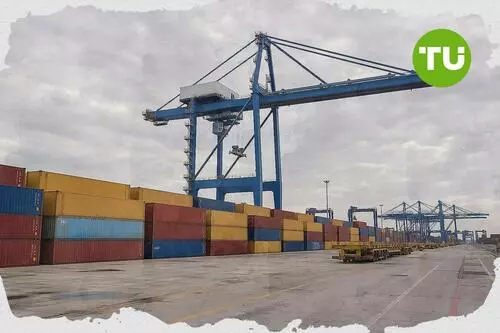
Shipping through Hormuz, one of the world's most critical maritime energy corridors, has already been severely disrupted by the conflict. Iranian attacks on vessels and U.S. military operations against Iran have made passage increasingly dangerous, reducing the reliability of a route central to Gulf energy exports.
Diplomatic efforts to ease the pressure have also stalled. Iran and Gulf Arab states had been expected to meet in Oman on Monday to discuss shipping arrangements through Hormuz, but the gathering was postponed after participants failed to reach sufficient consensus.
Tehran has tied a broader reopening of the waterway to its demands in the conflict with Washington. With no new U.S.-Iran peace talks underway, the latest postponement leaves little immediate prospect of restoring normal maritime traffic.
War spreads toward Saudi Arabia and Red Sea
The conflict is increasingly affecting infrastructure designed to reduce dependence on Hormuz. Drone strikes on Friday knocked out Saudi Arabia's 1,200-kilometer East-West pipeline, which carries oil across the Arabian Peninsula to the Red Sea.
The duration of the shutdown remains uncertain. Traders and Saudi oil buyers estimate that stored crude at Yanbu could maintain exports for only five to seven days. If the pipeline remains unavailable beyond that period, as much as 4% of global oil supply could be jeopardized.
At the same time, the Iran-aligned Houthis have expanded operations in Yemen and captured Perim Island in the Bab el-Mandeb, adding another layer of risk around a second major maritime corridor.
Oil prices reflect a broader supply threat
The widening conflict is increasingly connecting three risks: restricted Hormuz traffic, disruption to Saudi alternative export infrastructure, and instability around the Red Sea. That combination reduces the region's ability to compensate when one route becomes unavailable.
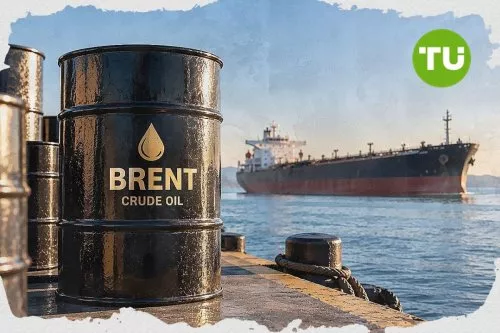
Oil markets are reflecting the deterioration. Brent crude futures were trading at $106.82 a barrel, up 2.11%, while U.S. WTI futures rose 2.14% to $102.19, according to the latest market data. U.S. retail diesel has also climbed above $6.20 a gallon, highlighting how the Middle East war is increasingly feeding through to global energy costs.
We have previously highlighted that Iran and U.S. intensify shipping attacks near Hormuz.






Latest Iran war News



-
 Afghanistan
-
 Albania
-
 Algeria
-
 Angola
-
 Argentina
-
 Armenia
-
 Australia
-
 Austria
-
 Azerbaijan
-
 Bahamas
-
 Bahrain
-
 Bangladesh
-
 Belarus
-
 Belgium
-
 Bolivia
-
 Botswana
-
 Brazil
-
 Brunei
-
 Bulgaria
-
 Cambodia
-
 Cameroon
-
 Canada
-
 Chile
-
 China
-
 Colombia
-
 Congo
-
 Costa Rica
-
 Cote d'Ivoire
-
 Croatia
-
 Cuba
-
 Cyprus
-
 Czechia
-
 DR Congo
-
 Denmark
-
 Dominican Republic
-
 Ecuador
-
 Egypt
-
 El Salvador
-
 Estonia
-
 Eswatini
-
 Ethiopia
-
 Finland
-
 France
-
 Georgia
-
 Germany
-
 Ghana
-
 Greece
-
 Haiti
-
 Hong Kong
-
 Hungary
-
 India
-
 Indonesia
-
 Iran, Islamic republic
-
 Iraq
-
 Ireland
-
 Israel
-
 Italy
-
 Jamaica
-
 Japan
-
 Jordan
-
 Kazakhstan
-
 Kenya
-
 Korea
-
 Kuwait
-
 Kyrgyzstan
-
 Laos
-
 Latvia
-
 Lebanon
-
 Lesotho
-
 Libya
-
 Lithuania
-
 Luxembourg
-
 Madagascar
-
 Malaysia
-
 Malta
-
 Mauritius
-
 Mexico
-
 Moldova
-
 Mongolia
-
 Montenegro
-
 Morocco
-
 Mozambique
-
 Myanmar
-
 Namibia
-
 Nepal
-
 Netherlands
-
 New Zealand
-
 Nigeria
-
 North Macedonia
-
 Norway
-
 Oman
-
 Pakistan
-
 Palestine
-
 Panama
-
 Papua New Guinea
-
 Paraguay
-
 Peru
-
 Philippines
-
 Poland
-
 Portugal
-
 Puerto Rico
-
 Qatar
-
 Reunion
-
 Romania
-
 Rwanda
-
 Saudi Arabia
-
 Serbia
-
 Singapore
-
 Slovakia
-
 Slovenia
-
 Somalia
-
 South Africa
-
 Spain
-
 Sri Lanka
-
 Sweden
-
 Switzerland
-
 Syria
-
 Taiwan
-
 Tajikistan
-
 Tanzania
-
 Thailand
-
 Trinidad and Tobago
-
 Tunisia
-
 Turkey
-
 UAE
-
 Uganda
-
 Ukraine
-
 United Kingdom
-
United States
-
 Uruguay
-
 Uzbekistan
-
 Venezuela
-
 Vietnam
-
 Yemen
-
 Zambia
-
 Zimbabwe
- Forex
- Crypto












