

Oil falls as U.S. inventories rise and Saudi supply fears ease

Oil prices fell Wednesday as a sharp increase in U.S. crude inventories and signs that Saudi Arabia was finding alternative export routes tempered concerns about immediate supply shortages. The decline followed a strong previous session, while traders continued to assess damage to Saudi infrastructure and restricted shipping across the Gulf.
Highlights
- Brent fell 1.05%, while WTI lost 1.98%.
- U.S. crude stocks rose 7.1 million barrels last week.
- Saudi Arabia is offering additional crude through Oman.
- Middle East supply risks remain elevated.
Brent crude futures fell 1.05% to $107.61 a barrel, while U.S. West Texas Intermediate futures dropped 1.98% to $103.73, according to the latest market data provided. The retreat came after U.S. crude, gasoline, and distillate inventories increased last week, while Saudi Arabia offered additional cargoes through Oman, CNBC reported.
U.S. stockpiles weigh on crude
American Petroleum Institute data showed U.S. crude inventories increased by 7.1 million barrels in the week ended Sept. 11. Analysts had expected crude inventories to decline, making the reported increase a significant bearish surprise.
Gasoline and distillate inventories also increased. The figures provided a counterweight to the geopolitical premium that has pushed crude above $100 a barrel as traders weigh disruptions to Middle Eastern production and shipping.
The market is also assessing Saudi Arabia’s efforts to maintain exports after drone attacks damaged its East-West Pipeline to the Red Sea. Saudi Arabia has begun offering more crude to Asian refiners through ship-to-ship transfers near Oman’s Sohar port, easing fears that the pipeline shutdown would sharply restrict available supplies.
Gulf disruptions remain unresolved
Uncertainty surrounding the Saudi pipeline has not disappeared. U.S. Energy Secretary Chris Wright has indicated that the interruption could last days, while other industry assessments suggest repairs may take considerably longer.
Shipping also remains constrained. Preliminary data showed only four visible vessel transits through the Strait of Hormuz on Tuesday, down from seven Monday and well below the recent 10-day average of 18. The strait remains one of the world's most important maritime energy corridors.
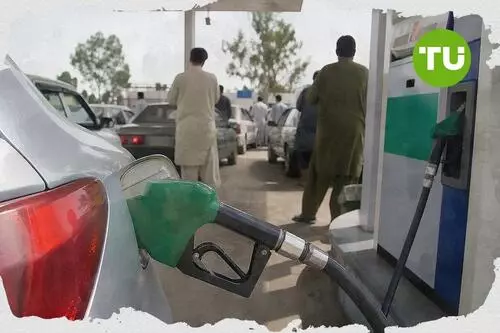
Fuel markets are showing additional strain. European gasoil futures recently reached record levels as reduced Middle Eastern supplies combined with disruptions at Russian refineries. U.S. diesel prices have also risen sharply.
Supply risk keeps a floor under prices
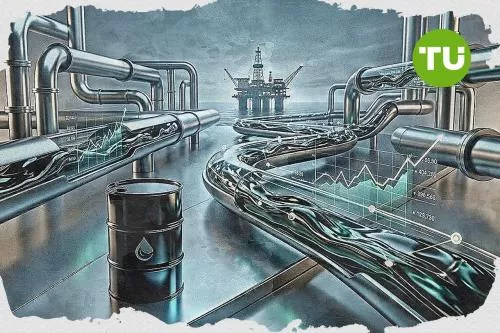
Wednesday’s decline illustrates the competing forces driving oil markets. Larger U.S. inventories and Saudi efforts to reroute exports are providing short-term relief, but the physical supply system remains vulnerable to further disruption.
The East-West Pipeline shutdown, limited Gulf shipping, and tight diesel markets mean crude can remain volatile even when headline prices retreat. The conflict also carries a broader economic cost: the Congressional Budget Office estimated U.S. military operations involving Iran had cost the Pentagon $38.1 billion through Aug. 1, with another $2 billion to $3 billion potentially required for each additional month.
For oil traders, the duration of Saudi repairs and the stability of Gulf export routes remain central to the next move in prices.
As we previously reported, Houthi attacks increase pressure on Saudi Arabia.






Latest Brent News



-
 Afghanistan
-
 Albania
-
 Algeria
-
 Angola
-
 Argentina
-
 Armenia
-
 Australia
-
 Austria
-
 Azerbaijan
-
 Bahamas
-
 Bahrain
-
 Bangladesh
-
 Belarus
-
 Belgium
-
 Bolivia
-
 Botswana
-
 Brazil
-
 Brunei
-
 Bulgaria
-
 Cambodia
-
 Cameroon
-
 Canada
-
 Chile
-
 China
-
 Colombia
-
 Congo
-
 Costa Rica
-
 Cote d'Ivoire
-
 Croatia
-
 Cuba
-
 Cyprus
-
 Czechia
-
 DR Congo
-
 Denmark
-
 Dominican Republic
-
 Ecuador
-
 Egypt
-
 El Salvador
-
 Estonia
-
 Eswatini
-
 Ethiopia
-
 Finland
-
 France
-
 Georgia
-
 Germany
-
 Ghana
-
 Greece
-
 Haiti
-
 Hong Kong
-
 Hungary
-
 India
-
 Indonesia
-
 Iran, Islamic republic
-
 Iraq
-
 Ireland
-
 Israel
-
 Italy
-
 Jamaica
-
 Japan
-
 Jordan
-
 Kazakhstan
-
 Kenya
-
 Korea
-
 Kuwait
-
 Kyrgyzstan
-
 Laos
-
 Latvia
-
 Lebanon
-
 Lesotho
-
 Libya
-
 Lithuania
-
 Luxembourg
-
 Madagascar
-
 Malaysia
-
 Malta
-
 Mauritius
-
 Mexico
-
 Moldova
-
 Mongolia
-
 Montenegro
-
 Morocco
-
 Mozambique
-
 Myanmar
-
 Namibia
-
 Nepal
-
 Netherlands
-
 New Zealand
-
 Nigeria
-
 North Macedonia
-
 Norway
-
 Oman
-
 Pakistan
-
 Palestine
-
 Panama
-
 Papua New Guinea
-
 Paraguay
-
 Peru
-
 Philippines
-
 Poland
-
 Portugal
-
 Puerto Rico
-
 Qatar
-
 Reunion
-
 Romania
-
 Rwanda
-
 Saudi Arabia
-
 Serbia
-
 Singapore
-
 Slovakia
-
 Slovenia
-
 Somalia
-
 South Africa
-
 Spain
-
 Sri Lanka
-
 Sweden
-
 Switzerland
-
 Syria
-
 Taiwan
-
 Tajikistan
-
 Tanzania
-
 Thailand
-
 Trinidad and Tobago
-
 Tunisia
-
 Turkey
-
 UAE
-
 Uganda
-
 Ukraine
-
 United Kingdom
-
United States
-
 Uruguay
-
 Uzbekistan
-
 Venezuela
-
 Vietnam
-
 Yemen
-
 Zambia
-
 Zimbabwe
- Forex
- Crypto












