

Argentina resources investment accelerates across energy and mining

Argentina is moving from long-standing resource underperformance to a broad investment upswing in oil, gas and mining. New government incentives and regulatory changes are helping draw large-scale capital into Vaca Muerta, copper and lithium projects, raising expectations for export growth and stronger foreign-currency inflows.
Highlights
- Argentina's new Rigi framework lowers corporate tax to 25% for investments above $200 million, driving momentum in energy and mining projects including Vaca Muerta.
- Vaca Muerta shale's oil resource estimate rose to 30.2bn barrels, supporting Wood Mackenzie's projection of a $100bn oil and gas investment pipeline and Citigroup's $35bn export forecast by 2031.
- Mining investment approvals or reviews total $47bn, with lithium and copper projects driving potential mining exports to $36bn by 2035, up from $8bn now.
Policy incentives and project pipeline
As reported by Financial Times, investment momentum is building across Argentina’s resource sectors as policy changes improve conditions for large, long-term projects.The government’s new tax and legal framework, known as Rigi, offers tax, customs, legal and foreign-exchange incentives for investments above $200 million. Under the scheme, qualifying projects face a corporate tax rate of 25%, compared with the standard 35%, with the aim of attracting capital to developments such as Vaca Muerta and major mining operations.
In oil and gas, companies are channeling money into the 8.6 million-acre Vaca Muerta shale formation in Patagonia. According to the U.S. Energy Information Administration, the field holds 308tn cubic feet of recoverable natural gas, the world’s second-largest shale gas reserve, and 16bn barrels of recoverable shale oil, the fourth largest globally.
In August, the Argentine government unveiled new estimates putting Vaca Muerta’s oil resources at 30.2bn barrels, nearly double a U.S. estimate made a decade earlier. Wood Mackenzie says Argentina now has a $100bn pipeline of new oil and gas investment projects.
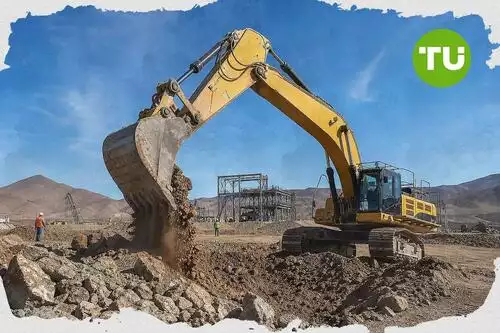
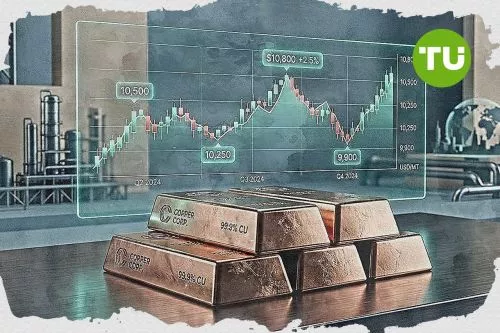
Mining is also gaining pace, supported by Rigi and by a new law that allows development closer to the country’s glaciers. Lithium extraction is expanding rapidly, while copper is emerging as a larger potential driver, with several major projects under way and the government estimating that $47bn of mining investment has been approved or is under review.
Export gains and pressure points
The expansion is strengthening expectations that natural resources could become a larger source of export revenue for an economy that has long struggled to generate foreign exchange. Citigroup estimates Vaca Muerta could generate $35bn of exports by 2031, up from $12bn this year, while mining exports could reach $36bn by 2035 from $8bn now.Provincial and industry leaders say the investment wave is reshaping Argentina’s position in global commodities. Hugo Eurnekian, chief executive of Compañía General de Combustibles, says new entrants are making the sector more dynamic and supporting innovation, while Neuquén governor Rolando Figueroa says export dollars from the province help support broader economic stability.
Still, the boom faces constraints. Environmental groups warn that the new glacier law could threaten water supplies if mining projects advance in unsuitable areas, while logistics remain a major bottleneck, particularly infrastructure needed to export gas and improve access from resource-rich regions to Pacific routes through Chile for shipments to Asia.
Political risk also remains. While President Javier Milei’s government and resource-producing provinces support the current framework, pressure on manufacturing from lower tariffs and stronger competition could fuel resistance to incentives for oil, gas and mining companies.
In our earlier article, we covered the WTO’s warning that wars and repeated trade disruptions are leaving a lasting imprint on global trade, prompting companies to redesign supply chains and shipping routes for resilience rather than cost. We also noted the WTO’s view that these shifts could persist even after conflicts ease, alongside an outlook for trade growth that remains vulnerable to tariffs and renewed shocks.






Latest Copper News



-
 Afghanistan
-
 Albania
-
 Algeria
-
 Angola
-
 Argentina
-
 Armenia
-
 Australia
-
 Austria
-
 Azerbaijan
-
 Bahamas
-
 Bahrain
-
 Bangladesh
-
 Belarus
-
 Belgium
-
 Bolivia
-
 Botswana
-
 Brazil
-
 Brunei
-
 Bulgaria
-
 Cambodia
-
 Cameroon
-
 Canada
-
 Chile
-
 China
-
 Colombia
-
 Congo
-
 Costa Rica
-
 Cote d'Ivoire
-
 Croatia
-
 Cuba
-
 Cyprus
-
 Czechia
-
 DR Congo
-
 Denmark
-
 Dominican Republic
-
 Ecuador
-
 Egypt
-
 El Salvador
-
 Estonia
-
 Eswatini
-
 Ethiopia
-
 Finland
-
 France
-
 Georgia
-
 Germany
-
 Ghana
-
 Greece
-
 Haiti
-
 Hong Kong
-
 Hungary
-
 India
-
 Indonesia
-
 Iran, Islamic republic
-
 Iraq
-
 Ireland
-
 Israel
-
 Italy
-
 Jamaica
-
 Japan
-
 Jordan
-
 Kazakhstan
-
 Kenya
-
 Korea
-
 Kuwait
-
 Kyrgyzstan
-
 Laos
-
 Latvia
-
 Lebanon
-
 Lesotho
-
 Libya
-
 Lithuania
-
 Luxembourg
-
 Madagascar
-
 Malaysia
-
 Malta
-
 Mauritius
-
 Mexico
-
 Moldova
-
 Mongolia
-
 Montenegro
-
 Morocco
-
 Mozambique
-
 Myanmar
-
 Namibia
-
 Nepal
-
 Netherlands
-
 New Zealand
-
 Nigeria
-
 North Macedonia
-
 Norway
-
 Oman
-
 Pakistan
-
 Palestine
-
 Panama
-
 Papua New Guinea
-
 Paraguay
-
 Peru
-
 Philippines
-
 Poland
-
 Portugal
-
 Puerto Rico
-
 Qatar
-
 Reunion
-
 Romania
-
 Rwanda
-
 Saudi Arabia
-
 Serbia
-
 Singapore
-
 Slovakia
-
 Slovenia
-
 Somalia
-
 South Africa
-
 Spain
-
 Sri Lanka
-
 Sweden
-
 Switzerland
-
 Syria
-
 Taiwan
-
 Tajikistan
-
 Tanzania
-
 Thailand
-
 Trinidad and Tobago
-
 Tunisia
-
 Turkey
-
 UAE
-
 Uganda
-
 Ukraine
-
 United Kingdom
-
United States
-
 Uruguay
-
 Uzbekistan
-
 Venezuela
-
 Vietnam
-
 Yemen
-
 Zambia
-
 Zimbabwe
- Forex
- Crypto












