

Mexico gas reliance raises energy-transition risks as U.S. supplies reshape power strategy

Mexico has built its energy system around abundant low-cost natural gas from the U.S., a strategy that has limited pressure to invest heavily in renewables and grid upgrades. That dependence now leaves the country highly exposed if North American gas prices rise and forces delayed decisions on energy security and decarbonisation back into focus.
Highlights
- Mexico sources about 46% of its total energy from U.S. pipeline gas, making it the most gas-dependent among top natural gas importers.
- Reliance on cheap U.S. gas has shaped Mexico's energy strategy, reducing investment in renewables, storage, and grid infrastructure.
- Any rise in North American gas prices would quickly impact Mexican industry and households, exposing the economy to price and supply risks.
Cheap U.S. gas underpins Mexico's energy model
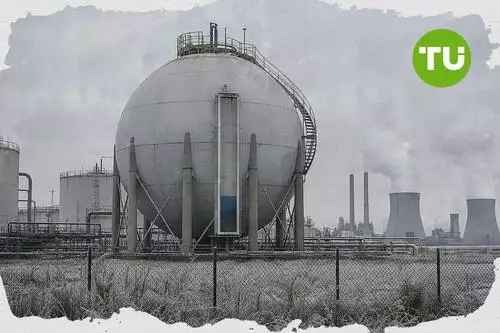
As reported by Reuters, Mexico's proximity to the U.S. shale boom gives it access to abundant pipeline gas priced off Henry Hub rather than the more volatile global LNG market, helping secure a reliable and comparatively cheap fuel source for years.Instead of directing large amounts of capital into renewable power, battery storage and transmission infrastructure, the country has built much of its energy system around natural gas. That approach has so far helped Mexico avoid the supply disruptions and high LNG import costs faced by other major energy buyers.
Natural gas accounts for about 46% of Mexico's total energy supply, according to Energy Institute data, making it the most gas-dependent economy among the five largest net importers of natural gas. At the same time, Mexico's own gas production has been declining for years, turning the country into a major net importer from 2000.
Price exposure could reshape industry and policy choices
The heavy concentration around one fuel means any meaningful rise in gas prices across North America could feed rapidly into Mexico's economy. Higher fuel costs would likely raise electricity prices, increase operating expenses for industry and push up household energy bills.U.S. natural gas supplies have climbed to record highs in 2026, but demand has also increased, underscoring the risk of assuming cheap supply will remain available indefinitely. The broader concern is that an energy strategy built on abundance can delay tougher decisions on diversification, energy security and emissions reduction, leaving Mexico with fewer buffers if market conditions change.
In our earlier article on conflict-driven spikes in oil shipping costs, we explained how attacks and heightened geopolitical risk premiums sent tanker and insurance rates sharply higher, turning freight into a much larger share of the delivered crude price. We noted that these added costs can quickly filter through to gasoline and broader consumer prices, hitting import-dependent markets and refiners hardest while boosting tanker owners’ earnings.






Latest Natural Gas News


-
 Afghanistan
-
 Albania
-
 Algeria
-
 Angola
-
 Argentina
-
 Armenia
-
 Australia
-
 Austria
-
 Azerbaijan
-
 Bahamas
-
 Bahrain
-
 Bangladesh
-
 Belarus
-
 Belgium
-
 Bolivia
-
 Botswana
-
 Brazil
-
 Brunei
-
 Bulgaria
-
 Cambodia
-
 Cameroon
-
 Canada
-
 Chile
-
 China
-
 Colombia
-
 Congo
-
 Costa Rica
-
 Cote d'Ivoire
-
 Croatia
-
 Cuba
-
 Cyprus
-
 Czechia
-
 DR Congo
-
 Denmark
-
 Dominican Republic
-
 Ecuador
-
 Egypt
-
 El Salvador
-
 Estonia
-
 Eswatini
-
 Ethiopia
-
 Finland
-
 France
-
 Georgia
-
 Germany
-
 Ghana
-
 Greece
-
 Haiti
-
 Hong Kong
-
 Hungary
-
 India
-
 Indonesia
-
 Iran, Islamic republic
-
 Iraq
-
 Ireland
-
 Israel
-
 Italy
-
 Jamaica
-
 Japan
-
 Jordan
-
 Kazakhstan
-
 Kenya
-
 Korea
-
 Kuwait
-
 Kyrgyzstan
-
 Laos
-
 Latvia
-
 Lebanon
-
 Lesotho
-
 Libya
-
 Lithuania
-
 Luxembourg
-
 Madagascar
-
 Malaysia
-
 Malta
-
 Mauritius
-
 Mexico
-
 Moldova
-
 Mongolia
-
 Montenegro
-
 Morocco
-
 Mozambique
-
 Myanmar
-
 Namibia
-
 Nepal
-
 Netherlands
-
 New Zealand
-
 Nigeria
-
 North Macedonia
-
 Norway
-
 Oman
-
 Pakistan
-
 Palestine
-
 Panama
-
 Papua New Guinea
-
 Paraguay
-
 Peru
-
 Philippines
-
 Poland
-
 Portugal
-
 Puerto Rico
-
 Qatar
-
 Reunion
-
 Romania
-
 Rwanda
-
 Saudi Arabia
-
 Serbia
-
 Singapore
-
 Slovakia
-
 Slovenia
-
 Somalia
-
 South Africa
-
 Spain
-
 Sri Lanka
-
 Sweden
-
 Switzerland
-
 Syria
-
 Taiwan
-
 Tajikistan
-
 Tanzania
-
 Thailand
-
 Trinidad and Tobago
-
 Tunisia
-
 Turkey
-
 UAE
-
 Uganda
-
 Ukraine
-
 United Kingdom
-
United States
-
 Uruguay
-
 Uzbekistan
-
 Venezuela
-
 Vietnam
-
 Yemen
-
 Zambia
-
 Zimbabwe
- Forex
- Crypto












