

SK Hynix unveils $29 billion buyback after shares tumble

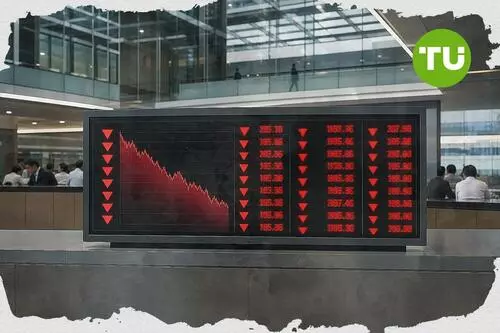
SK Hynix plans to buy back about $29 billion of its own shares after a steep decline in its stock. The move comes as investors question whether the rapid expansion of global AI spending can continue.
Highlights
- SK Hynix plans a roughly $29 billion buyback.
- Up to 24 million shares will be bought and canceled.
- Shares fell 9.75% to 1.5 million won Wednesday.
- AI spending concerns are weighing on chip stocks.
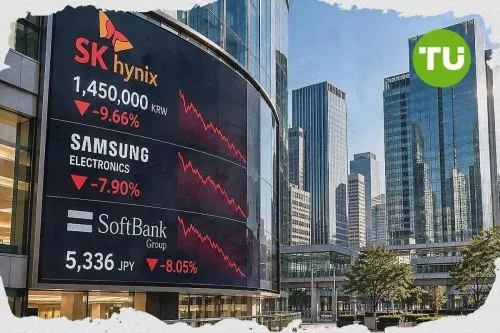
The South Korean memory-chip maker plans to repurchase and cancel as many as 24 million shares between Aug. 20 and Nov. 19, Bloomberg reported. The program is valued at about 40 trillion won. SK Hynix shares fell 9.8% during regular trading on Wednesday before recovering some ground after the market closed.
Share buyback follows a sharp selloff
The announcement comes during a difficult period for semiconductor stocks. SK Hynix has lost more than half its value in the recent rout. On Wednesday, the shares closed at 1.5 million won. That represented a decline of 162,000 won, or 9.75%, for the session.
The weakness has spread across the global chip sector. U.S. semiconductor stocks have also come under pressure. Investors are becoming more cautious about valuations after the powerful rally linked to artificial intelligence.
SK Hynix is particularly exposed to changes in AI sentiment. The company is a major producer of high-bandwidth memory, or HBM. These chips are used alongside advanced AI processors, including Nvidia hardware.
The company raised about $26.5 billion through a U.S. listing only a month ago. That deal demonstrated the enormous amount of capital attracted by the AI boom. The latest selloff shows how quickly sentiment can reverse when investors question future spending.
AI demand faces a market test
The central issue is no longer whether AI infrastructure demand is strong today. Investors are trying to determine how long the current investment cycle can last.
Technology companies are spending heavily on data centers, processors, and memory. That has supported SK Hynix's earnings and strengthened its cash position. But high valuations leave semiconductor stocks vulnerable when expectations weaken.
Other pressures are also weighing on the sector. Higher government bond yields have reduced the appeal of expensive growth stocks. Geopolitical uncertainty has added another layer of risk.
The buyback gives SK Hynix a way to return some of its accumulated capital to shareholders. Canceling the purchased stock will also permanently reduce the number of shares outstanding.
What the buyback signals to markets
The size of the program sends a clear message about SK Hynix's financial position. Management is prepared to deploy tens of billions of dollars while semiconductor valuations remain under pressure.
Yet the buyback does not remove the main risk facing the stock. Investors still need evidence that demand for AI hardware can justify current investment levels. SK Hynix's dependence on high-bandwidth memory makes that question particularly important.
The immediate market reaction will show whether the buyback can stabilize sentiment. Longer term, AI infrastructure spending and HBM demand are likely to matter more than the repurchase itself.
We have previously highlighted that SK Hynix invests $38 billion to expand memory chip production.





Latest SK Hynix News




-
 Afghanistan
-
 Albania
-
 Algeria
-
 Angola
-
 Argentina
-
 Armenia
-
 Australia
-
 Austria
-
 Azerbaijan
-
 Bahamas
-
 Bahrain
-
 Bangladesh
-
 Belarus
-
 Belgium
-
 Bolivia
-
 Botswana
-
 Brazil
-
 Brunei
-
 Bulgaria
-
 Cambodia
-
 Cameroon
-
 Canada
-
 Chile
Chile
-
 China
China
-
 Colombia
-
 Congo
Congo
-
 Costa Rica
-
 Cote d'Ivoire
-
 Croatia
-
 Cuba
Cuba
-
 Cyprus
-
 Czechia
-
 DR Congo
-
 Denmark
-
 Dominican Republic
-
 Ecuador
-
 Egypt
Egypt
-
 El Salvador
-
 Estonia
-
 Eswatini
-
 Ethiopia
-
 Finland
-
 France
-
 Georgia
-
 Germany
-
 Ghana
Ghana
-
 Greece
-
 Haiti
Haiti
-
 Hong Kong
-
 Hungary
-
 India
India
-
 Indonesia
-
 Iran, Islamic republic
-
 Iraq
Iraq
-
 Ireland
-
 Israel
-
 Italy
Italy
-
 Jamaica
-
 Japan
Japan
-
 Jordan
-
 Kazakhstan
-
 Kenya
Kenya
-
 Korea
Korea
-
 Kuwait
-
 Kyrgyzstan
-
 Laos
Laos
-
 Latvia
-
 Lebanon
-
 Lesotho
-
 Libya
Libya
-
 Lithuania
-
 Luxembourg
-
 Madagascar
-
 Malaysia
-
 Malta
Malta
-
 Mauritius
-
 Mexico
-
 Moldova
-
 Mongolia
-
 Montenegro
-
 Morocco
-
 Mozambique
-
 Myanmar
-
 Namibia
-
 Nepal
Nepal
-
 Netherlands
-
 New Zealand
-
 Nigeria
-
 North Macedonia
-
 Norway
-
 Oman
Oman
-
 Pakistan
-
 Palestine
-
 Panama
-
 Papua New Guinea
-
 Paraguay
-
 Peru
Peru
-
 Philippines
-
 Poland
-
 Portugal
-
 Puerto Rico
-
 Qatar
Qatar
-
 Reunion
-
 Romania
-
 Rwanda
-
 Saudi Arabia
-
 Serbia
-
 Singapore
-
 Slovakia
-
 Slovenia
-
 Somalia
-
 South Africa
-
 Spain
Spain
-
 Sri Lanka
-
 Sweden
-
 Switzerland
-
 Syria
Syria
-
 Taiwan
-
 Tajikistan
-
 Tanzania
-
 Thailand
-
 Trinidad and Tobago
-
 Tunisia
-
 Turkey
-
 UAE
UAE
-
 Uganda
-
 Ukraine
-
 United Kingdom
-
United States
-
 Uruguay
-
 Uzbekistan
-
 Venezuela
-
 Vietnam
-
 Yemen
Yemen
-
 Zambia
-
 Zimbabwe
- Forex
- Crypto












