

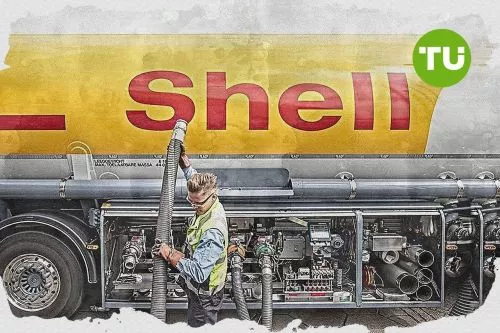
XRG buys Shell stake in Australian gas project for $1.45 billion

Abu Dhabi's push to expand its international energy portfolio is extending into Australia through a new natural gas acquisition. The deal gives XRG access to the North West Shelf liquefied natural gas project and strengthens its reach to customers across the Asia-Pacific region.
Highlights
- XRG agrees to acquire Shell Plc's stakes in Australia's North West Shelf LNG project for $1.45 billion, securing major liquefaction capacity.
- The acquisition gives XRG access to a facility capable of liquefying 14.3 million tons of gas annually, expanding its reach to Asia-Pacific customers.
- The deal underscores Abu Dhabi National Oil Co.'s ongoing strategy to acquire established global gas assets targeting long-term export demand.
Australian LNG acquisition expands Asia-Pacific reach
As reported by Bloomberg, XRG, the energy investment arm of Abu Dhabi National Oil Co., agrees to pay $1.45 billion for Shell Plc's stakes in the North West Shelf liquefied natural gas project in Australia.The company says the purchase is aimed at securing greater access to customers in the Asia-Pacific region. Through the transaction, XRG also gets access to a facility with capacity to liquefy 14.3 million tons of gas a year.
Deal adds to Abu Dhabi's global expansion drive
The acquisition marks the latest in a series of deals as XRG seeks to grow its presence around the world. The move underlines continued interest from Gulf energy investors in established gas assets tied to long-term export markets.For Australia, the transaction highlights the ongoing strategic value of liquefied natural gas infrastructure linked to regional demand. For XRG, the asset offers operating exposure in a major export project as competition for gas customers in Asia continues.
Our earlier article on conflict-driven oil shipping costs explained how war-related risks and attacks on key routes are pushing tanker and insurance rates sharply higher, making freight a much larger component of delivered crude prices. We also noted the uneven impact on Asian importers and refiners, alongside a windfall for tanker owners, as companies reroute cargoes and rely on costlier logistics to reduce exposure to chokepoints such as the Strait of Hormuz and the Red Sea.









-
 Afghanistan
-
 Albania
-
 Algeria
-
 Angola
-
 Argentina
-
 Armenia
-
 Australia
-
 Austria
-
 Azerbaijan
-
 Bahamas
-
 Bahrain
-
 Bangladesh
-
 Belarus
-
 Belgium
-
 Bolivia
-
 Botswana
-
 Brazil
-
 Brunei
-
 Bulgaria
-
 Cambodia
-
 Cameroon
-
 Canada
-
 Chile
-
 China
-
 Colombia
-
 Congo
-
 Costa Rica
-
 Cote d'Ivoire
-
 Croatia
-
 Cuba
-
 Cyprus
-
 Czechia
-
 DR Congo
-
 Denmark
-
 Dominican Republic
-
 Ecuador
-
 Egypt
-
 El Salvador
-
 Estonia
-
 Eswatini
-
 Ethiopia
-
 Finland
-
 France
-
 Georgia
-
 Germany
-
 Ghana
-
 Greece
-
 Haiti
-
 Hong Kong
-
 Hungary
-
 India
-
 Indonesia
-
 Iran, Islamic republic
-
 Iraq
-
 Ireland
-
 Israel
-
 Italy
-
 Jamaica
-
 Japan
-
 Jordan
-
 Kazakhstan
-
 Kenya
-
 Korea
-
 Kuwait
-
 Kyrgyzstan
-
 Laos
-
 Latvia
-
 Lebanon
-
 Lesotho
-
 Libya
-
 Lithuania
-
 Luxembourg
-
 Madagascar
-
 Malaysia
-
 Malta
-
 Mauritius
-
 Mexico
-
 Moldova
-
 Mongolia
-
 Montenegro
-
 Morocco
-
 Mozambique
-
 Myanmar
-
 Namibia
-
 Nepal
-
 Netherlands
-
 New Zealand
-
 Nigeria
-
 North Macedonia
-
 Norway
-
 Oman
-
 Pakistan
-
 Palestine
-
 Panama
-
 Papua New Guinea
-
 Paraguay
-
 Peru
-
 Philippines
-
 Poland
-
 Portugal
-
 Puerto Rico
-
 Qatar
-
 Reunion
-
 Romania
-
 Rwanda
-
 Saudi Arabia
-
 Serbia
-
 Singapore
-
 Slovakia
-
 Slovenia
-
 Somalia
-
 South Africa
-
 Spain
-
 Sri Lanka
-
 Sweden
-
 Switzerland
-
 Syria
-
 Taiwan
-
 Tajikistan
-
 Tanzania
-
 Thailand
-
 Trinidad and Tobago
-
 Tunisia
-
 Turkey
-
 UAE
-
 Uganda
-
 Ukraine
-
 United Kingdom
-
United States
-
 Uruguay
-
 Uzbekistan
-
 Venezuela
-
 Vietnam
-
 Yemen
-
 Zambia
-
 Zimbabwe
- Forex
- Crypto












