

Agnico Eagle pullback highlights cash flow strength in gold mining

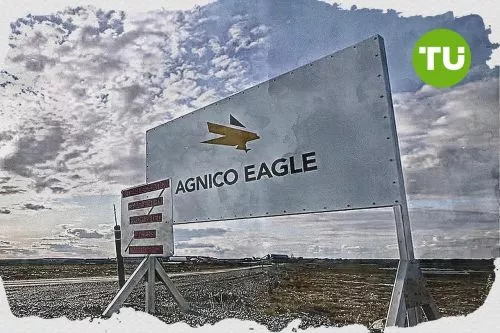
After a sharp retreat in gold and mining shares this year, Agnico Eagle Mines is still posting strong profitability and cash generation despite higher production costs. The decline has left the stock about one-third below its 52-week high as of Nov. 2, even as central bank demand and tight mine supply continue to support the long-term case for gold.
Highlights
- Agnico Eagle's Q3 all-in sustaining costs rose to $1,648 per ounce from $1,331 a year earlier, while average gold selling price reached $4,264 per ounce.
- The company generated $852 million in Q3 free cash flow and plans to return over half of 2026 free cash flow via dividends and buybacks if gold prices hold.
- Agnico Eagle's shares are roughly one-third below their 52-week high as of Nov. 2, pressured by rising production costs despite strong sector performance since March 2024.
Profitability and shareholder returns underpin the investment case
As reported by CNBC, investor Tim Seymour argues Agnico Eagle remains attractive after the sell-off because the miner continues to generate wide margins and substantial free cash flow.Agnico Eagle, founded in 1957 and based in Toronto, has grown into the world's second-largest gold producer, with mines in Canada, Australia, Finland and Mexico. Most of its gold output comes from Canada, giving the company a strong base in one of the sector's key producing regions.
One of the main issues weighing on the shares is higher all-in sustaining costs, a key measure of what it takes to produce gold and maintain operations. Agnico Eagle's AISC rises to $1,648 an ounce in the third quarter from $1,331 a year earlier, but the company still sells its gold at an average price of $4,264 an ounce during the quarter, leaving a substantial spread between costs and realized prices.
That earnings power is feeding cash returns to investors. Agnico Eagle generates $852 million in free cash flow in the third quarter, and management expects to return more than half of its 2026 free cash flow through dividends and buybacks if current gold prices and operating conditions hold.
Gold market backdrop supports longer-term demand
Gold and gold mining stocks have already had a powerful run since the bull market that begins in March 2024. Over that period, gold rallies 164%, gold miners surge 348%, and Agnico Eagle gains 382%, underscoring how mining stocks can amplify moves in the underlying metal.The recent correction, however, has been severe. Agnico Eagle is hit especially hard, with the stock roughly one-third below its 52-week high as of Nov. 2, while investor concern over rising production costs adds to the pressure after the latest earnings report.
The broader outlook for gold is still supported by central bank buying, which helps diversify reserves away from traditional currencies and financial assets. At the same time, persistent government deficits, concern over fiat currency purchasing power and a limited pipeline of new large mines point to a market where supply remains difficult to expand quickly.
That combination leaves Agnico Eagle exposed to both the upside and the risks of the gold market. If gold prices fall or operating costs stay elevated, margins and the share price could come under further pressure, but continued cash generation and shareholder payouts leave the miner positioned to benefit if supportive market fundamentals persist.
In our earlier article on the Philippine Social Security System’s equity portfolio performance, we explained how the pension fund defended its strategy by emphasizing decades of realized gains and steady dividend income despite recent unrealized (paper) losses. SSS argued that mark-to-market declines do not become actual cash losses unless holdings are sold below cost, and pointed to long-term positions and recurring dividends as support for overall fund resilience.








-
 Afghanistan
-
 Albania
-
 Algeria
-
 Angola
-
 Argentina
-
 Armenia
-
 Australia
-
 Austria
-
 Azerbaijan
-
 Bahamas
-
 Bahrain
-
 Bangladesh
-
 Belarus
-
 Belgium
-
 Bolivia
-
 Botswana
-
 Brazil
-
 Brunei
-
 Bulgaria
-
 Cambodia
-
 Cameroon
-
 Canada
-
 Chile
-
 China
-
 Colombia
-
 Congo
-
 Costa Rica
-
 Cote d'Ivoire
-
 Croatia
-
 Cuba
-
 Cyprus
-
 Czechia
-
 DR Congo
-
 Denmark
-
 Dominican Republic
-
 Ecuador
-
 Egypt
-
 El Salvador
-
 Estonia
-
 Eswatini
-
 Ethiopia
-
 Finland
-
 France
-
 Georgia
-
 Germany
-
 Ghana
-
 Greece
-
 Haiti
-
 Hong Kong
-
 Hungary
-
 India
-
 Indonesia
-
 Iran, Islamic republic
-
 Iraq
-
 Ireland
-
 Israel
-
 Italy
-
 Jamaica
-
 Japan
-
 Jordan
-
 Kazakhstan
-
 Kenya
-
 Korea
-
 Kuwait
-
 Kyrgyzstan
-
 Laos
-
 Latvia
-
 Lebanon
-
 Lesotho
-
 Libya
-
 Lithuania
-
 Luxembourg
-
 Madagascar
-
 Malaysia
-
 Malta
-
 Mauritius
-
 Mexico
-
 Moldova
-
 Mongolia
-
 Montenegro
-
 Morocco
-
 Mozambique
-
 Myanmar
-
 Namibia
-
 Nepal
-
 Netherlands
-
 New Zealand
-
 Nigeria
-
 North Macedonia
-
 Norway
-
 Oman
-
 Pakistan
-
 Palestine
-
 Panama
-
 Papua New Guinea
-
 Paraguay
-
 Peru
-
 Philippines
-
 Poland
-
 Portugal
-
 Puerto Rico
-
 Qatar
-
 Reunion
-
 Romania
-
 Rwanda
-
 Saudi Arabia
-
 Serbia
-
 Singapore
-
 Slovakia
-
 Slovenia
-
 Somalia
-
 South Africa
-
 Spain
-
 Sri Lanka
-
 Sweden
-
 Switzerland
-
 Syria
-
 Taiwan
-
 Tajikistan
-
 Tanzania
-
 Thailand
-
 Trinidad and Tobago
-
 Tunisia
-
 Turkey
-
 UAE
-
 Uganda
-
 Ukraine
-
 United Kingdom
-
United States
-
 Uruguay
-
 Uzbekistan
-
 Venezuela
-
 Vietnam
-
 Yemen
-
 Zambia
-
 Zimbabwe
- Forex
- Crypto












