
SoFi relaunches crypto trading as first U.S. nationally chartered bank

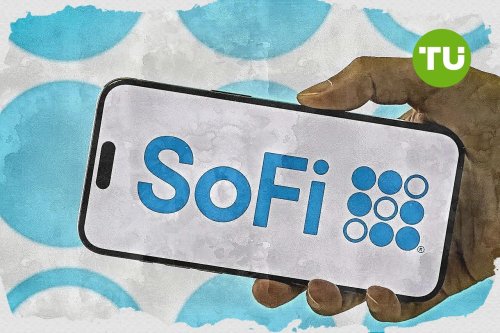
Cryptocurrency trading platform SoFi Crypto was officially relaunched by SoFi Technologies as the first US nationally chartered bank to provide its consumers with the opportunity to buy, sell, and hold digital assets in a single, FDIC-insured banking platform. This is an indication of a significant change towards the mainstream in the area of cryptocurrency.
The integration of crypto trading into the SoFi app has allowed users to have digital currencies alongside a checking account, savings, loans, and investment products. This feature makes it a little bit easier than using separate wallets or third-party trading platforms, although it should be mentioned that transfers to external crypto wallets are not yet supported.
Key facts about SoFi Crypto
Initially, SoFi Crypto supports major cryptocurrencies, such as Bitcoin (BTC), Ethereum (ETH), and Solana (SOL), and will expand upon them as more are in demand by the user base. The platform provides a smooth point of entry for consumers who might have been reluctant to venture into digital assets, by enabling them to make direct purchases with the help of existing SoFi accounts.
This introduction is timely, as education still is essential to new crypto users. Smart contracts, staking returns, decentralised finance (DeFi) and other jargon used may sound intimidating. Professional websites like Webopedia provide straightforward definitions of crypto terms and blockchain backgrounds and allow a person to make a good decision prior to trading.
Security and regulatory oversight
A major distinction of SoFi Crypto is that it is supported by bank-grade security and regulatory compliance. With a US national banking charter, SoFi has to comply with high standards of protection on the internet, reporting, and transparency of operations. It is, however, important to bear in mind that cryptocurrencies are not insured by the FDIC or SIPC itself; this means that their market value is unstable, and it is not insured against loss.
The most recent advice provided by the Office of the Comptroller of the Currency (OCC) has helped to specify the way banks will provide crypto custody and trading services, giving traditional financial institutions involved in this area some clarity. These regulatory changes were the most probable reasons that prompted SoFi to resume crypto trading.
Promotions and user adoption
In order to encourage early adoption, SoFi is offering some incentives to new users who register and qualify through trades. New participants also have a chance to win a full Bitcoin, which will attract new clients, as well as current SoFi clients interested in online assets.
Having over 12 million users on its platform, SoFi has major potential for making crypto trading accessible to a wider range of users and especially to those who might have avoided individual crypto apps because of their perceived security issues or complexity.
Implications for the market
The decision of SoFi to become a country-chartered bank that provides crypto services has several possible implications:
• Greater access to markets: softer access to markets could be more welcoming to more risk-averse investors and lead to a more liquid market in general.
• Competition and innovation: other brokers and banks can also improve their services to stay up to date.
• Institutional solidarity: a licensed bank that offers crypto services enhances the belief in crypto as an authentic financial tool.
• Consumer expectations: the customers might start demanding the combination of banking, investing, and digital asset offerings in one application.
The role of crypto exchanges in a bank-led digital asset market
Exchanges using crypto are still needed, even with the entry of newcomers such as SoFi, which is a traditional financial company. They offer deeper liquidity, more tools and tokens, and advanced options like futures and staking. Essentially, SoFi develops a secure and convenient initial position, with crypto exchanges remaining to act as the main driving force behind active trading and liquidity.
Regulatory frameworks are also changing throughout the globe:
• United Kingdom: consulting access restrictions of crypto investment products to retail investors.
• Japan: improving the level of security regarding the transactions following high-profile hacking cases.
• European Union: adaptation of MiCA regulations to harmonise licensing and consumer protection.
Everywhere, the pattern is the same: rules are clarifying, big players are joining, and it's getting easier for regular people.
Final thoughts
The introduction of SoFi Crypto will mark the first introduction of a digital asset into the US banking market and crypto asset integration by a conventional financial institution, which shows that older financial institutions can safely and efficiently introduce mainstream consumers to the services of crypto.
As long as the market still depends on special exchanges to conduct more sophisticated trading, the advent of regulated banks might contribute to rendering cryptocurrencies more accessible to the average user.





Latest SoFi News



-
 Afghanistan
-
 Albania
-
 Algeria
-
 Angola
-
 Argentina
-
 Armenia
-
 Australia
-
 Austria
-
 Azerbaijan
-
 Bahamas
-
 Bahrain
-
 Bangladesh
-
 Belarus
-
 Belgium
-
 Bolivia
-
 Botswana
-
 Brazil
-
 Brunei
-
 Bulgaria
-
 Cambodia
-
 Cameroon
-
 Canada
-
 Chile
Chile
-
 China
China
-
 Colombia
-
 Congo
Congo
-
 Costa Rica
-
 Cote d'Ivoire
-
 Croatia
-
 Cuba
Cuba
-
 Cyprus
-
 Czechia
-
 DR Congo
-
 Denmark
-
 Dominican Republic
-
 Ecuador
-
 Egypt
Egypt
-
 El Salvador
-
 Estonia
-
 Eswatini
-
 Ethiopia
-
 Finland
-
 France
-
 Georgia
-
 Germany
-
 Ghana
Ghana
-
 Greece
-
 Haiti
Haiti
-
 Hong Kong
-
 Hungary
-
 India
India
-
 Indonesia
-
 Iran, Islamic republic
-
 Iraq
Iraq
-
 Ireland
-
 Israel
-
 Italy
Italy
-
 Jamaica
-
 Japan
Japan
-
 Jordan
-
 Kazakhstan
-
 Kenya
Kenya
-
 Korea
Korea
-
 Kuwait
-
 Kyrgyzstan
-
 Laos
Laos
-
 Latvia
-
 Lebanon
-
 Lesotho
-
 Libya
Libya
-
 Lithuania
-
 Luxembourg
-
 Madagascar
-
 Malaysia
-
 Malta
Malta
-
 Mauritius
-
 Mexico
-
 Moldova
-
 Mongolia
-
 Montenegro
-
 Morocco
-
 Mozambique
-
 Myanmar
-
 Namibia
-
 Nepal
Nepal
-
 Netherlands
-
 New Zealand
-
 Nigeria
-
 North Macedonia
-
 Norway
-
 Oman
Oman
-
 Pakistan
-
 Palestine
-
 Panama
-
 Papua New Guinea
-
 Paraguay
-
 Peru
Peru
-
 Philippines
-
 Poland
-
 Portugal
-
 Puerto Rico
-
 Qatar
Qatar
-
 Reunion
-
 Romania
-
 Rwanda
-
 Saudi Arabia
-
 Serbia
-
 Singapore
-
 Slovakia
-
 Slovenia
-
 Somalia
-
 South Africa
-
 Spain
Spain
-
 Sri Lanka
-
 Sweden
-
 Switzerland
-
 Syria
Syria
-
 Taiwan
-
 Tajikistan
-
 Tanzania
-
 Thailand
-
 Trinidad and Tobago
-
 Tunisia
-
 Turkey
-
 UAE
UAE
-
 Uganda
-
 Ukraine
-
 United Kingdom
-
United States
-
 Uruguay
-
 Uzbekistan
-
 Venezuela
-
 Vietnam
-
 Yemen
Yemen
-
 Zambia
-
 Zimbabwe
- Forex
- Crypto












