
Google detects iOS exploits targeting crypto wallet seed phrases
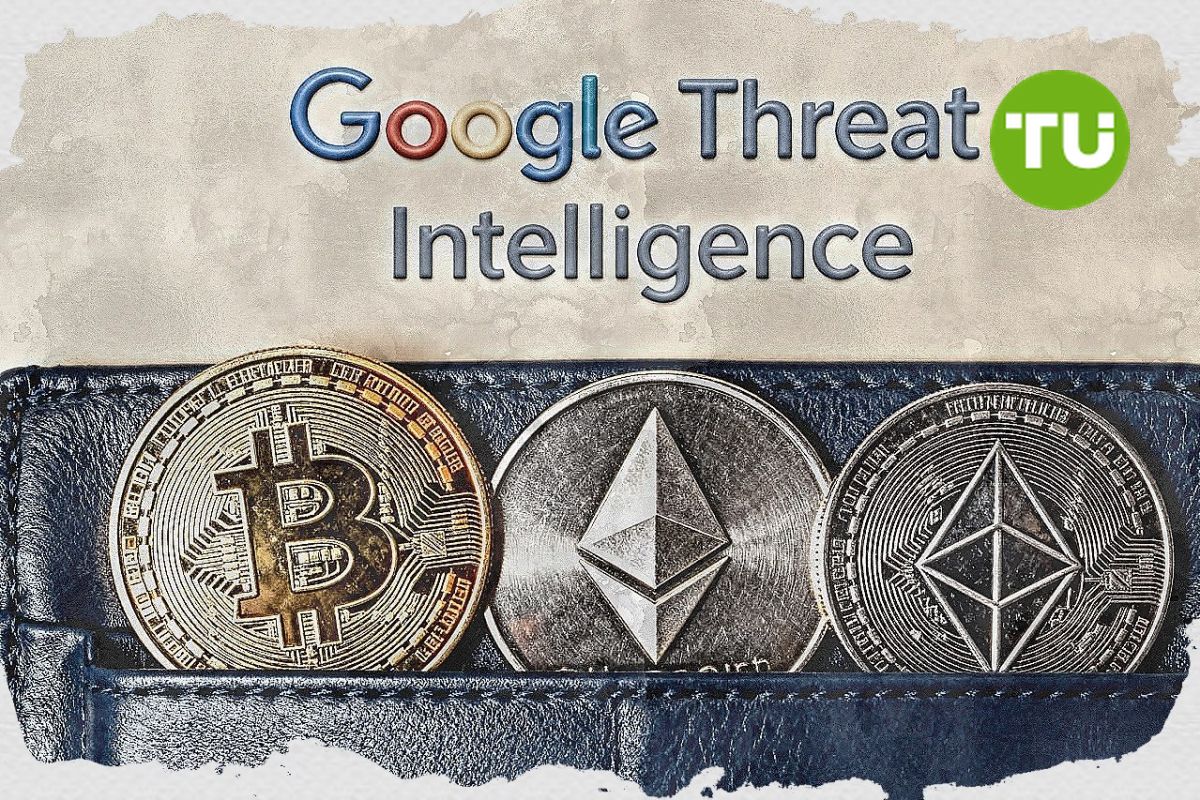
Researchers from Google Threat Intelligence Group have reported a new exploit toolkit targeting iPhones and designed to steal data from cryptocurrency wallets. The toolkit, named Coruna, targets Apple devices running iOS versions from 13.0 to 17.2.1.
The toolkit includes dozens of vulnerabilities, some of which were previously unknown, Cointelegraph writes. According to Google, the attacks were first observed against users in Ukraine, and a similar scheme later appeared on fake Chinese websites related to financial services.
Coruna exploit and fake crypto websites
According to a report by Google Threat Intelligence Group (GTIG), Coruna contains five full exploit chains for iOS vulnerabilities and a total of 23 exploits. Some of them had not previously been known to cybersecurity researchers.
The toolkit was first discovered in February 2025. Attackers used JavaScript code that identified the device model and iOS version before delivering the appropriate exploit to the victim.
The same mechanism was later found on compromised Ukrainian websites. The malicious code was displayed only to iPhone users from specific regions. In December, GTIG researchers detected the same scheme on a large number of fake Chinese websites linked to financial services. One of them mimicked the interface of the cryptocurrency exchange WEEX.
After a user loads the page, the system checks the device and attempts to locate financial information. In particular, it scans texts containing seed phrases and keywords such as “backup phrase” or “bank account.” The exploit also searches for installed crypto applications, including MetaMask and Uniswap, to obtain sensitive data.
GTIG notes that the exploit toolkit does not work on the latest versions of iOS. iPhone users are advised to update their devices to the latest system version or enable Lockdown Mode, which is designed to protect against sophisticated attacks.
Debate over the tool’s origins
The origin of Coruna has become a topic of discussion among cybersecurity experts. Google did not disclose the client behind the development, but specialists at the security firm iVerify believe the tool could be linked to government entities.
iVerify co-founder Rocky Cole told WIRED:
“It’s highly sophisticated, took millions of dollars to develop, and it bears the hallmarks of other modules that have been publicly attributed to the US government.”
According to him, such tools may have ended up in the hands of other groups:
“This is the first example we’ve seen of very likely US government tools — based on what the code is telling us — spinning out of control and being used by both our adversaries and cybercriminal groups.”
However, not all experts agree with that assessment. A principal security researcher at Kaspersky told The Register that the company had found no convincing evidence of code reuse that would link Coruna to developers working for government agencies.
Why this matters for crypto users
The Coruna case highlights how mobile devices remain a key attack vector for criminals targeting crypto assets. The primary objective of such attacks is seed phrases, which allow attackers to restore wallet access and transfer funds without the possibility of reversing the transaction.
According to blockchain security firm CertiK, phishing and key theft remain among the most common threats facing crypto investors. In 2025 alone, such attacks led to losses of about $722 million.
These attacks typically combine several techniques at once, including exploiting operating system vulnerabilities, using fake websites, and scanning installed applications. As a result, regular software updates and additional protections such as Lockdown Mode remain some of the most effective security measures for cryptocurrency users.
Read also: Google Cloud expands European reach with Liberty Global AI partnership








-
 Afghanistan
-
 Albania
-
 Algeria
-
 Angola
-
 Argentina
-
 Armenia
-
 Australia
-
 Austria
-
 Azerbaijan
-
 Bahamas
-
 Bahrain
-
 Bangladesh
-
 Belarus
-
 Belgium
-
 Bolivia
-
 Botswana
-
 Brazil
-
 Brunei
-
 Bulgaria
-
 Cambodia
-
 Cameroon
-
 Canada
-
 Chile
Chile
-
 China
China
-
 Colombia
-
 Congo
Congo
-
 Costa Rica
-
 Cote d'Ivoire
-
 Croatia
-
 Cuba
Cuba
-
 Cyprus
-
 Czechia
-
 DR Congo
-
 Denmark
-
 Dominican Republic
-
 Ecuador
-
 Egypt
Egypt
-
 El Salvador
-
 Estonia
-
 Eswatini
-
 Ethiopia
-
 Finland
-
 France
-
 Georgia
-
 Germany
-
 Ghana
Ghana
-
 Greece
-
 Haiti
Haiti
-
 Hong Kong
-
 Hungary
-
 India
India
-
 Indonesia
-
 Iran, Islamic republic
-
 Iraq
Iraq
-
 Ireland
-
 Israel
-
 Italy
Italy
-
 Jamaica
-
 Japan
Japan
-
 Jordan
-
 Kazakhstan
-
 Kenya
Kenya
-
 Korea
Korea
-
 Kuwait
-
 Kyrgyzstan
-
 Laos
Laos
-
 Latvia
-
 Lebanon
-
 Lesotho
-
 Libya
Libya
-
 Lithuania
-
 Luxembourg
-
 Madagascar
-
 Malaysia
-
 Malta
Malta
-
 Mauritius
-
 Mexico
-
 Moldova
-
 Mongolia
-
 Montenegro
-
 Morocco
-
 Mozambique
-
 Myanmar
-
 Namibia
-
 Nepal
Nepal
-
 Netherlands
-
 New Zealand
-
 Nigeria
-
 North Macedonia
-
 Norway
-
 Oman
Oman
-
 Pakistan
-
 Palestine
-
 Panama
-
 Papua New Guinea
-
 Paraguay
-
 Peru
Peru
-
 Philippines
-
 Poland
-
 Portugal
-
 Puerto Rico
-
 Qatar
Qatar
-
 Reunion
-
 Romania
-
 Rwanda
-
 Saudi Arabia
-
 Serbia
-
 Singapore
-
 Slovakia
-
 Slovenia
-
 Somalia
-
 South Africa
-
 Spain
Spain
-
 Sri Lanka
-
 Sweden
-
 Switzerland
-
 Syria
Syria
-
 Taiwan
-
 Tajikistan
-
 Tanzania
-
 Thailand
-
 Trinidad and Tobago
-
 Tunisia
-
 Turkey
-
 UAE
UAE
-
 Uganda
-
 Ukraine
-
 United Kingdom
-
United States
-
 Uruguay
-
 Uzbekistan
-
 Venezuela
-
 Vietnam
-
 Yemen
Yemen
-
 Zambia
-
 Zimbabwe
- Forex
- Crypto












