The tweet was deleted by the author.
But we saved everything 🙂.
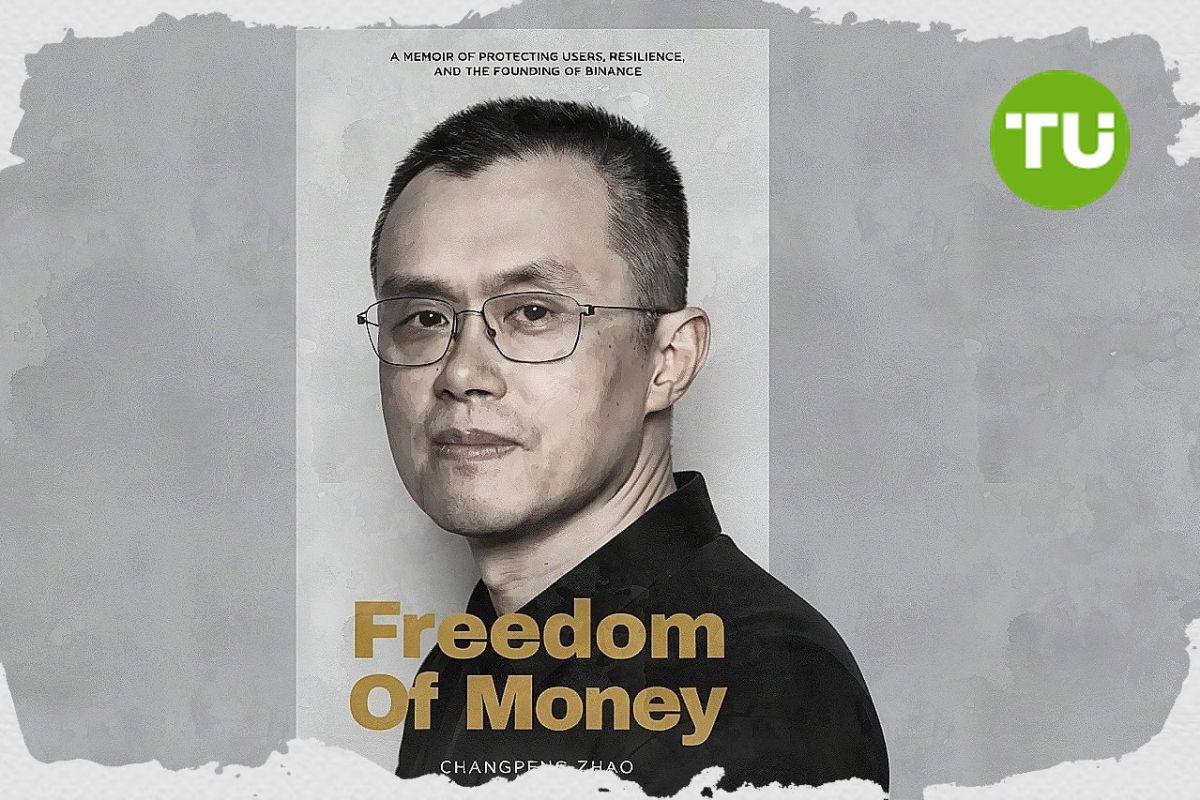
Changpeng Zhao, founder of the world’s largest cryptocurrency exchange Binance, also known as CZ, has written a book. Freedom of Money is an autobiographical account of his path to success and subsequent downfall.
As Cointelegraph reports, Zhao was dissatisfied with how his story had long been presented through media coverage, court filings, and public commentary. In the book, he aims to provide his own version of events and add context to already known facts.
In his memoir, Zhao emphasizes the human side of Binance’s rapid rise and his own downfall — both personal and professional. In his view, this aspect was often lost in short, headline-driven news coverage.
The book covers his early life, his work in finance and technology, and the launch of Binance in 2017. It also details how the company quickly grew into one of the largest cryptocurrency exchanges in the world.
In 2024, Zhao served four months in a U.S. prison after pleading guilty to violating anti-money laundering laws. This was part of a broader settlement with authorities, under which he also stepped down as CEO of Binance.
The case became one of the most high-profile enforcement actions by the U.S. Department of Justice against the crypto industry. Prosecutors initially sought a harsher sentence, emphasizing the seriousness of the violations. Binance, in turn, agreed to pay billions of dollars in fines and implement major compliance reforms.
U.S. regulators had been investigating Binance for several years over alleged failures related to AML controls, sanctions compliance, and operating without proper licenses. The settlement effectively closed one of the most prominent investigations in crypto industry history.
In the book, Zhao reflects on the decisions and mistakes that led to this outcome. He describes the circumstances of the settlement, his guilty plea, and his resignation, as well as the compromises Binance made during its rapid growth.
The memoir also includes details about his time in federal prison. Zhao describes how his life changed after leading a global company and how he adapted to living in a confined environment.
The title reflects the book’s main concept. Zhao writes that “freedom of money” refers to how cryptocurrencies can remove barriers to financial access — especially in countries with weak banking systems or strict capital controls.
He links Binance’s growth in part to users in emerging markets who used the platform to transfer funds across borders, hedge against local currency volatility, and access global financial markets.
At the same time, Zhao acknowledges that such rapid expansion had downsides. According to him, Binance’s growth often outpaced regulatory development, which led to gaps in compliance and oversight — and eventually drew attention from authorities.
Changpeng Zhao is not the only prominent figure in crypto to tell his story through a book. In recent years, many key industry players have published works that have become part of crypto culture: some explain how Bitcoin works, while others explore how digital assets are reshaping the financial system.
Among the most notable are Andreas Antonopoulos, author of Mastering Bitcoin and The Internet of Money, Saifedean Ammous with The Bitcoin Standard and The Fiat Standard, and Arthur Hayes, co-founder of BitMEX, known for his essays and columns on markets, macroeconomics, and Bitcoin’s role in the new financial system. This list also includes Chris Burniske, co-author of Cryptoassets, and Camila Russo, who wrote The Infinite Machine about the creation of Ethereum.
It is worth noting that books are just one of many ways to explore and understand the crypto industry.

 Afghanistan
 Albania
 Algeria
 Angola
 Argentina
 Armenia
 Australia
 Austria
 Azerbaijan
 Bahamas
 Bahrain
 Bangladesh
 Belarus
 Belgium
 Bolivia
 Botswana
 Brazil
 Brunei
 Bulgaria
 Cambodia
 Cameroon
 Canada
 Chile
Chile
 China
China
 Colombia
 Congo
Congo
 Costa Rica
 Cote d'Ivoire
 Croatia
 Cuba
Cuba
 Cyprus
 Czechia
 DR Congo
 Denmark
 Dominican Republic
 Ecuador
 Egypt
Egypt
 El Salvador
 Estonia
 Eswatini
 Ethiopia
 Finland
 France
 Georgia
 Germany
 Ghana
Ghana
 Greece
 Haiti
Haiti
 Hong Kong
 Hungary
 India
India
 Indonesia
 Iran, Islamic republic
 Iraq
Iraq
 Ireland
 Israel
 Italy
Italy
 Jamaica
 Japan
Japan
 Jordan
 Kazakhstan
 Kenya
Kenya
 Korea
Korea
 Kuwait
 Kyrgyzstan
 Laos
Laos
 Latvia
 Lebanon
 Lesotho
 Libya
Libya
 Lithuania
 Luxembourg
 Madagascar
 Malaysia
 Malta
Malta
 Mauritius
 Mexico
 Moldova
 Mongolia
 Montenegro
 Morocco
 Mozambique
 Myanmar
 Namibia
 Nepal
Nepal
 Netherlands
 New Zealand
 Nigeria
 North Macedonia
 Norway
 Oman
Oman
 Pakistan
 Palestine
 Panama
 Papua New Guinea
 Paraguay
 Peru
Peru
 Philippines
 Poland
 Portugal
 Puerto Rico
 Qatar
Qatar
 Reunion
 Romania
 Rwanda
 Saudi Arabia
 Serbia
 Singapore
 Slovakia
 Slovenia
 Somalia
 South Africa
 Spain
Spain
 Sri Lanka
 Sweden
 Switzerland
 Syria
Syria
 Taiwan
 Tajikistan
 Tanzania
 Thailand
 Trinidad and Tobago
 Tunisia
 Turkey
 UAE
UAE
 Uganda
 Ukraine
 United Kingdom
United States
United Kingdom
United States
 Uruguay
 Uzbekistan
 Venezuela
 Vietnam
 Yemen
Yemen
 Zambia
 Zimbabwe