
The tweet was deleted by the author.
But we saved everything 🙂.
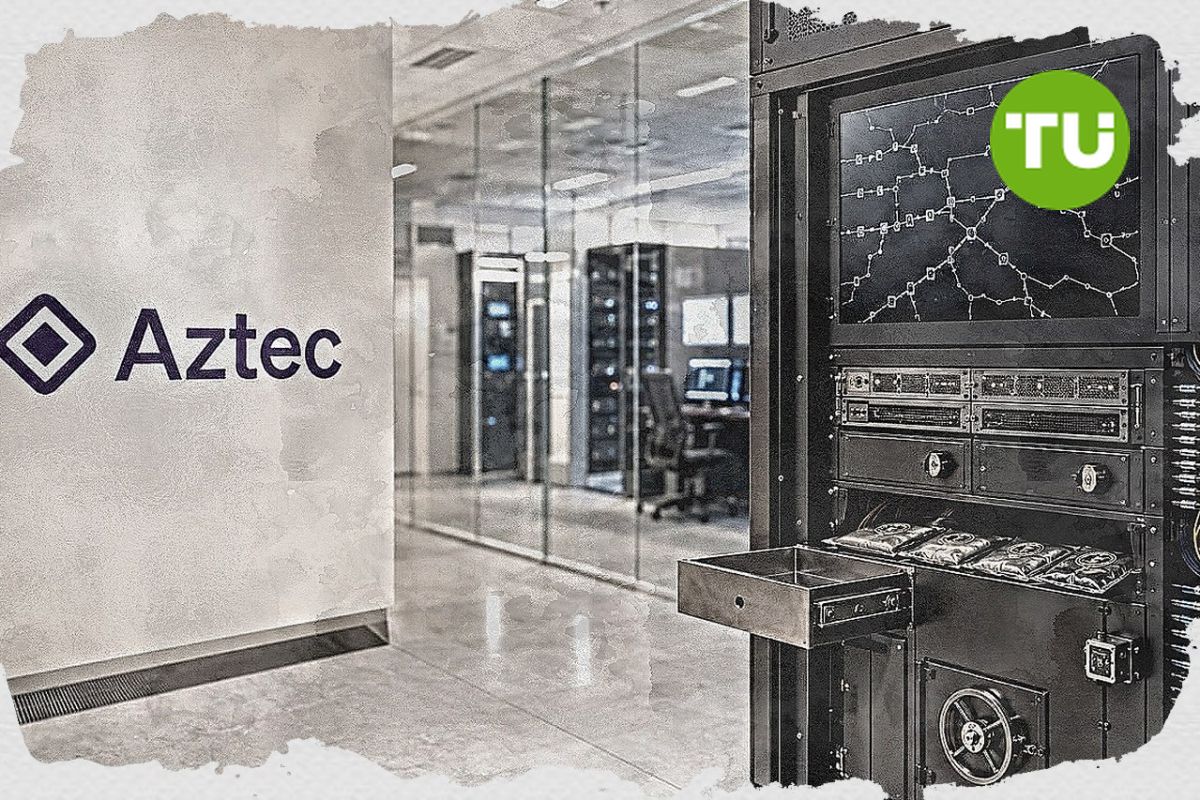
Aztec Labs has been hit by a second exploit in less than a week, after an attacker drained about $2.16 million from a deprecated Private Rollup Bridge that had been shut down years ago. The incident did not affect the current Aztec network or the AZTEC token, but it renewed scrutiny of old smart contracts that remain live on-chain even after products are retired.
The attacker targeted Aztec’s old Private Rollup Bridge, a product launched in 2021 and closed in 2022, Coinpedia reports. Although the bridge had been discontinued, its smart contracts remained active because they were immutable, meaning Aztec could not pause or upgrade them after deployment.
The attacker withdrew 1,158 ETH, 150,000 DAI and 0.47 renBTC, according to SlowMist data. The exploit wallet was reportedly funded with just 0.134 ETH from HitBTC before the attack.
The attack followed another exploit discovered on June 14 involving the deprecated Aztec Connect product, which led to losses estimated at more than $2.15 million. That earlier incident also targeted legacy infrastructure, not the current Aztec network.
SlowMist researchers linked the latest exploit to a weakness in the bridge’s escape hatch function, an emergency withdrawal mechanism designed to let users recover funds under certain conditions. The problem, according to the report, was that the contract did not properly verify withdrawal requests and trusted some submitted transaction data without independently confirming fund ownership.
That allowed the attacker to submit a proof that appeared valid while using manipulated withdrawal information. The contract then released funds it should not have approved. The case shows how even emergency tools can become attack surfaces if verification logic is incomplete.
Aztec Labs said the affected product has no link to the current network, current smart contracts or the AZTEC ERC-20 token. The company also said it no longer has administrative control over the old bridge, which limits its ability to intervene after the exploit.
The Aztec incidents highlight a recurring risk in decentralized finance: old smart contracts can remain economically relevant long after teams stop maintaining them. If funds are still inside those contracts, immutability can protect users from arbitrary changes but also prevent emergency fixes.
For users, the main issue is not only whether a current protocol is secure, but whether older products still hold assets and whether their shutdown process was complete. For developers, the lesson is clearer: deprecation does not end risk. If contracts cannot be upgraded, projects need stronger withdrawal campaigns, monitoring and public warnings before legacy systems become targets.
We also reported Verus-Ethereum Bridge loses more than $11 million in validation exploit.

 Afghanistan
 Albania
 Algeria
 Angola
 Argentina
 Armenia
 Australia
 Austria
 Azerbaijan
 Bahamas
 Bahrain
 Bangladesh
 Belarus
 Belgium
 Bolivia
 Botswana
 Brazil
 Brunei
 Bulgaria
 Cambodia
 Cameroon
 Canada
 Chile
Chile
 China
China
 Colombia
 Congo
Congo
 Costa Rica
 Cote d'Ivoire
 Croatia
 Cuba
Cuba
 Cyprus
 Czechia
 DR Congo
 Denmark
 Dominican Republic
 Ecuador
 Egypt
Egypt
 El Salvador
 Estonia
 Eswatini
 Ethiopia
 Finland
 France
 Georgia
 Germany
 Ghana
Ghana
 Greece
 Haiti
Haiti
 Hong Kong
 Hungary
 India
India
 Indonesia
 Iran, Islamic republic
 Iraq
Iraq
 Ireland
 Israel
 Italy
Italy
 Jamaica
 Japan
Japan
 Jordan
 Kazakhstan
 Kenya
Kenya
 Korea
Korea
 Kuwait
 Kyrgyzstan
 Laos
Laos
 Latvia
 Lebanon
 Lesotho
 Libya
Libya
 Lithuania
 Luxembourg
 Madagascar
 Malaysia
 Malta
Malta
 Mauritius
 Mexico
 Moldova
 Mongolia
 Montenegro
 Morocco
 Mozambique
 Myanmar
 Namibia
 Nepal
Nepal
 Netherlands
 New Zealand
 Nigeria
 North Macedonia
 Norway
 Oman
Oman
 Pakistan
 Palestine
 Panama
 Papua New Guinea
 Paraguay
 Peru
Peru
 Philippines
 Poland
 Portugal
 Puerto Rico
 Qatar
Qatar
 Reunion
 Romania
 Rwanda
 Saudi Arabia
 Serbia
 Singapore
 Slovakia
 Slovenia
 Somalia
 South Africa
 Spain
Spain
 Sri Lanka
 Sweden
 Switzerland
 Syria
Syria
 Taiwan
 Tajikistan
 Tanzania
 Thailand
 Trinidad and Tobago
 Tunisia
 Turkey
 UAE
UAE
 Uganda
 Ukraine
 United Kingdom
United States
United Kingdom
United States
 Uruguay
 Uzbekistan
 Venezuela
 Vietnam
 Yemen
Yemen
 Zambia
 Zimbabwe