
Japan tightens cryptocurrency rules to combat insider trading
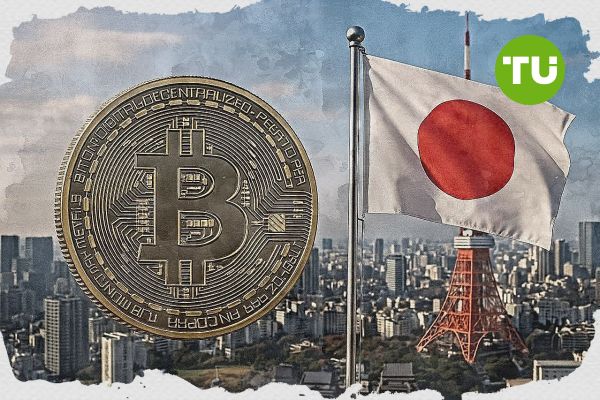
Japan’s Financial Services Agency (FSA) is advancing an ambitious plan to restructure the country’s cryptocurrency sector in 2025. The regulator aims to align digital assets with traditional securities by classifying them as financial products under the Financial Instruments and Exchange Act (FIEA). This move, part of Tokyo’s broader “New Capitalism” strategy, is designed to restore trust, enhance transparency, and position Japan as a global hub for institutional crypto investment.
This initiative represents one of the country’s largest financial reforms in the crypto sphere over the past decade. As the number of crypto users in Japan approaches eight million, the FSA’s mission has become clear — to ensure stability and legitimacy in a rapidly expanding yet volatile market.
From market loopholes to legal accountability
The FSA’s plan introduces Japan’s first-ever ban on insider trading in cryptocurrencies, marking a significant policy shift. According to The Nikkei, the FSA, together with the Securities and Exchange Surveillance Commission (SESC), will enforce the new rules. The SESC will be authorized to investigate potential violations and impose fines based on profits gained from insider trading. Until now, insider trading laws did not apply to cryptocurrencies, giving certain market participants unfair advantages.
The reform, expected to take effect in 2026, will make crypto trading more transparent and secure. By treating cryptocurrencies as regulated financial instruments, Japan is closing a legal loophole that once allowed manipulation. The FSA will also establish a Crypto Bureau, which will oversee compliance and coordinate with the OECD’s Crypto-Asset Reporting Framework (CARF), ensuring international data exchange and cross-border transparency.
Tax reforms complement these legal initiatives. The introduction of a flat 20% capital gains tax on crypto profits — replacing the previous progressive rate of up to 55% — puts cryptocurrencies on par with stocks and makes them more appealing to institutional investors. The FSA’s push to approve exchange-traded funds (ETFs), including spot Bitcoin products, is expected to further reduce entry barriers for asset managers and funds.
Regulating for growth: stablecoins and market integrity
The FSA is also tightening rules for stablecoins, requiring them to be backed by low-risk assets such as government bonds or fixed-term deposits. Analysts note that such a system encourages financial experimentation while maintaining investor safety. Companies like SBI VC Trade have already begun processing USD Coin (USDC) transactions under the new framework, demonstrating how clear and consistent regulation can foster market growth.
Future outlook
By redefining cryptocurrency as a core part of the financial system, Japan is setting a precedent for a responsible approach to innovation. The FSA’s dual focus on enforcement and accessibility — through insider trading laws, tax modernization, and ETF legalization — showcases how a balanced regulatory model can drive growth without sacrificing oversight.
Read also: JPMorgan prepares to launch crypto trading services





Latest Finance News










-
 Afghanistan
-
 Albania
-
 Algeria
-
 Angola
-
 Argentina
-
 Armenia
-
 Australia
-
 Austria
-
 Azerbaijan
-
 Bahamas
-
 Bahrain
-
 Bangladesh
-
 Belarus
-
 Belgium
-
 Bolivia
-
 Botswana
-
 Brazil
-
 Brunei
-
 Bulgaria
-
 Cambodia
-
 Cameroon
-
 Canada
-
 Chile
Chile
-
 China
China
-
 Colombia
-
 Congo
Congo
-
 Costa Rica
-
 Cote d'Ivoire
-
 Croatia
-
 Cuba
Cuba
-
 Cyprus
-
 Czechia
-
 DR Congo
-
 Denmark
-
 Dominican Republic
-
 Ecuador
-
 Egypt
Egypt
-
 El Salvador
-
 Estonia
-
 Eswatini
-
 Ethiopia
-
 Finland
-
 France
-
 Georgia
-
 Germany
-
 Ghana
Ghana
-
 Greece
-
 Haiti
Haiti
-
 Hong Kong
-
 Hungary
-
 India
India
-
 Indonesia
-
 Iran, Islamic republic
-
 Iraq
Iraq
-
 Ireland
-
 Israel
-
 Italy
Italy
-
 Jamaica
-
 Japan
Japan
-
 Jordan
-
 Kazakhstan
-
 Kenya
Kenya
-
 Korea
Korea
-
 Kuwait
-
 Kyrgyzstan
-
 Laos
Laos
-
 Latvia
-
 Lebanon
-
 Lesotho
-
 Libya
Libya
-
 Lithuania
-
 Luxembourg
-
 Madagascar
-
 Malaysia
-
 Malta
Malta
-
 Mauritius
-
 Mexico
-
 Moldova
-
 Mongolia
-
 Montenegro
-
 Morocco
-
 Mozambique
-
 Myanmar
-
 Namibia
-
 Nepal
Nepal
-
 Netherlands
-
 New Zealand
-
 Nigeria
-
 North Macedonia
-
 Norway
-
 Oman
Oman
-
 Pakistan
-
 Palestine
-
 Panama
-
 Papua New Guinea
-
 Paraguay
-
 Peru
Peru
-
 Philippines
-
 Poland
-
 Portugal
-
 Puerto Rico
-
 Qatar
Qatar
-
 Reunion
-
 Romania
-
 Rwanda
-
 Saudi Arabia
-
 Serbia
-
 Singapore
-
 Slovakia
-
 Slovenia
-
 Somalia
-
 South Africa
-
 Spain
Spain
-
 Sri Lanka
-
 Sweden
-
 Switzerland
-
 Syria
Syria
-
 Taiwan
-
 Tajikistan
-
 Tanzania
-
 Thailand
-
 Trinidad and Tobago
-
 Tunisia
-
 Turkey
-
 UAE
UAE
-
 Uganda
-
 Ukraine
-
 United Kingdom
-
United States
-
 Uruguay
-
 Uzbekistan
-
 Venezuela
-
 Vietnam
-
 Yemen
Yemen
-
 Zambia
-
 Zimbabwe
- Forex
- Crypto











