The tweet was deleted by the author.
But we saved everything 🙂.

Oil is once again in the spotlight for investors, along with the shares of the world’s largest oil companies. Geopolitical instability and risks to global supply chains are the main drivers behind this shift. That is why the oil sector is once again being viewed by the market as a “defensive bet.”
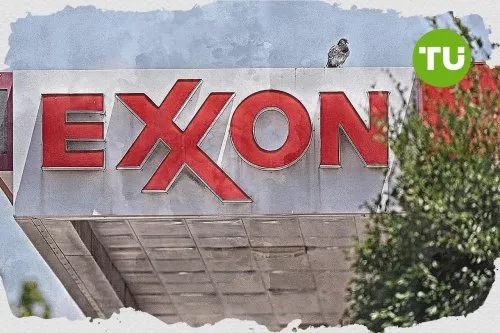
Growing interest in the oil sector is clearly reflected in the performance of major oil stocks. Over the past month, Exxon Mobil shares climbed from $120 to $135, gaining about 12.5%. Chevron showed a similar trend, rising from $150 to $167, which represents an increase of roughly 11.3%. ConocoPhillips also strengthened, moving from $91 to $99, or nearly 9% over the month.
Importantly, this growth does not look like a short-term speculative spike, but rather a steady upward movement. Shares advanced during relatively stable trading sessions, without sharp jumps or crashes. This points to sustained demand from investors who are gradually increasing their exposure to oil stocks in their portfolios.
Such market behavior suggests a reassessment of the role oil companies play under current conditions. Investors increasingly view them as a way to hedge against geopolitical risks and potential supply disruptions. But what exactly has triggered this global uncertainty?
Venezuela moved into the global spotlight after the abduction of its president, Nicolás Maduro, in early January. Following this, the United States announced the seizure of oil from seven recently captured Venezuelan tankers and claimed effective control over those volumes. According to Donald Trump, Venezuelan oil is already being delivered to U.S. refineries.
Washington is not limiting itself to isolated actions and is instead building systemic control over Venezuela’s oil industry. The Trump administration has announced plans to sell up to 50 million barrels of Venezuelan oil at market prices, with revenues to be shared between Venezuela, the United States, and major oil companies. At the same time, discussions are underway about up to $100 billion in investments to restore and modernize production, refining, and logistics — with direct participation from U.S. corporations and under U.S. political oversight.
Venezuela is one of the world’s largest oil-producing countries, and any abrupt changes in how its resources are managed are immediately priced in by the market. Investors see the situation as an additional geopolitical risk: even if supplies formally continue, their dependence on political decisions increases.
Mass protests in Iran began in late December 2025 in Tehran and were initially driven by economic factors — rising prices, unemployment, and declining living standards. However, they quickly evolved into political unrest and spread across the country. The bloodiest moments came during the nights of January 8 and 9, when security forces attempted to suppress demonstrations using extremely harsh methods, including live ammunition against protesters.
The true scale of the violence remains disputed. Iranian authorities report 3,117 deaths, including civilians, security personnel, and those officially labeled as “terrorists.” Independent human rights organizations cite much higher figures: according to HRANA, at least 5,459 deaths have been confirmed, with thousands more cases still under review. Internet shutdowns, communication disruptions, and strict media controls have made independent verification extremely difficult.
Against this backdrop, external tensions have also increased. Opposition Iranian media reported that Supreme Leader Ali Khamenei was moved to an underground bunker amid fears of a potential U.S. strike. Even without a direct military scenario, developments in Iran are seen by the market as a serious risk to oil supplies, as the country remains a key player in the region’s energy market.
The war in Ukraine continues to have a direct impact on the oil market, shifting attention from production to logistics and transportation. As the conflict persists, Russia increasingly relies on maritime routes to export oil, including through the Black Sea, making tanker fleets a key vulnerability. Investors closely monitor any signals pointing to potential supply disruptions or tighter controls on maritime shipments.
Additional momentum came from Ukrainian President Volodymyr Zelensky’s speech at the World Economic Forum in Davos. He urged EU countries to more actively intercept tankers carrying Russian oil, citing the example of the United States, which previously took control of Venezuelan shipments. According to Zelensky, such measures could serve as an effective tool to pressure Russia and limit its energy export revenues.
For the oil market, this translates into rising logistical risk. Even without a direct ban on production or exports, the mere possibility of tanker detentions, inspections, and route blockages creates tension. These risks are quickly reflected in oil prices.
All the key factors influencing the oil market today converge on one point: geopolitics. Venezuela, Iran, and the war in Ukraine each add pressure in different ways, but together they significantly increase risks to global oil supply. In some cases, production is threatened; in others, logistics or control over export flows. Even without an immediate physical shortage, the market reacts in advance, building a premium for risk and uncertainty into prices.
This reaction is especially visible in oil stocks. Unlike oil itself, shares of major oil companies reflect not only current commodity prices, but also expectations around future revenues, dividends, and cash flows. Rising oil prices, constrained supply, and steady demand make oil companies more attractive to investors, particularly during turbulent periods. As a result, oil stocks increasingly act as a mirror of global instability.

 Afghanistan
 Albania
 Algeria
 Angola
 Argentina
 Armenia
 Australia
 Austria
 Azerbaijan
 Bahamas
 Bahrain
 Bangladesh
 Belarus
 Belgium
 Bolivia
 Botswana
 Brazil
 Brunei
 Bulgaria
 Cambodia
 Cameroon
 Canada
 Chile
Chile
 China
China
 Colombia
 Congo
Congo
 Costa Rica
 Cote d'Ivoire
 Croatia
 Cuba
Cuba
 Cyprus
 Czechia
 DR Congo
 Denmark
 Dominican Republic
 Ecuador
 Egypt
Egypt
 El Salvador
 Estonia
 Eswatini
 Ethiopia
 Finland
 France
 Georgia
 Germany
 Ghana
Ghana
 Greece
 Haiti
Haiti
 Hong Kong
 Hungary
 India
India
 Indonesia
 Iran, Islamic republic
 Iraq
Iraq
 Ireland
 Israel
 Italy
Italy
 Jamaica
 Japan
Japan
 Jordan
 Kazakhstan
 Kenya
Kenya
 Korea
Korea
 Kuwait
 Kyrgyzstan
 Laos
Laos
 Latvia
 Lebanon
 Lesotho
 Libya
Libya
 Lithuania
 Luxembourg
 Madagascar
 Malaysia
 Malta
Malta
 Mauritius
 Mexico
 Moldova
 Mongolia
 Montenegro
 Morocco
 Mozambique
 Myanmar
 Namibia
 Nepal
Nepal
 Netherlands
 New Zealand
 Nigeria
 North Macedonia
 Norway
 Oman
Oman
 Pakistan
 Palestine
 Panama
 Papua New Guinea
 Paraguay
 Peru
Peru
 Philippines
 Poland
 Portugal
 Puerto Rico
 Qatar
Qatar
 Reunion
 Romania
 Rwanda
 Saudi Arabia
 Serbia
 Singapore
 Slovakia
 Slovenia
 Somalia
 South Africa
 Spain
Spain
 Sri Lanka
 Sweden
 Switzerland
 Syria
Syria
 Taiwan
 Tajikistan
 Tanzania
 Thailand
 Trinidad and Tobago
 Tunisia
 Turkey
 UAE
UAE
 Uganda
 Ukraine
 United Kingdom
United States
United Kingdom
United States
 Uruguay
 Uzbekistan
 Venezuela
 Vietnam
 Yemen
Yemen
 Zambia
 Zimbabwe