

War with Iran may drag on as high oil prices persist
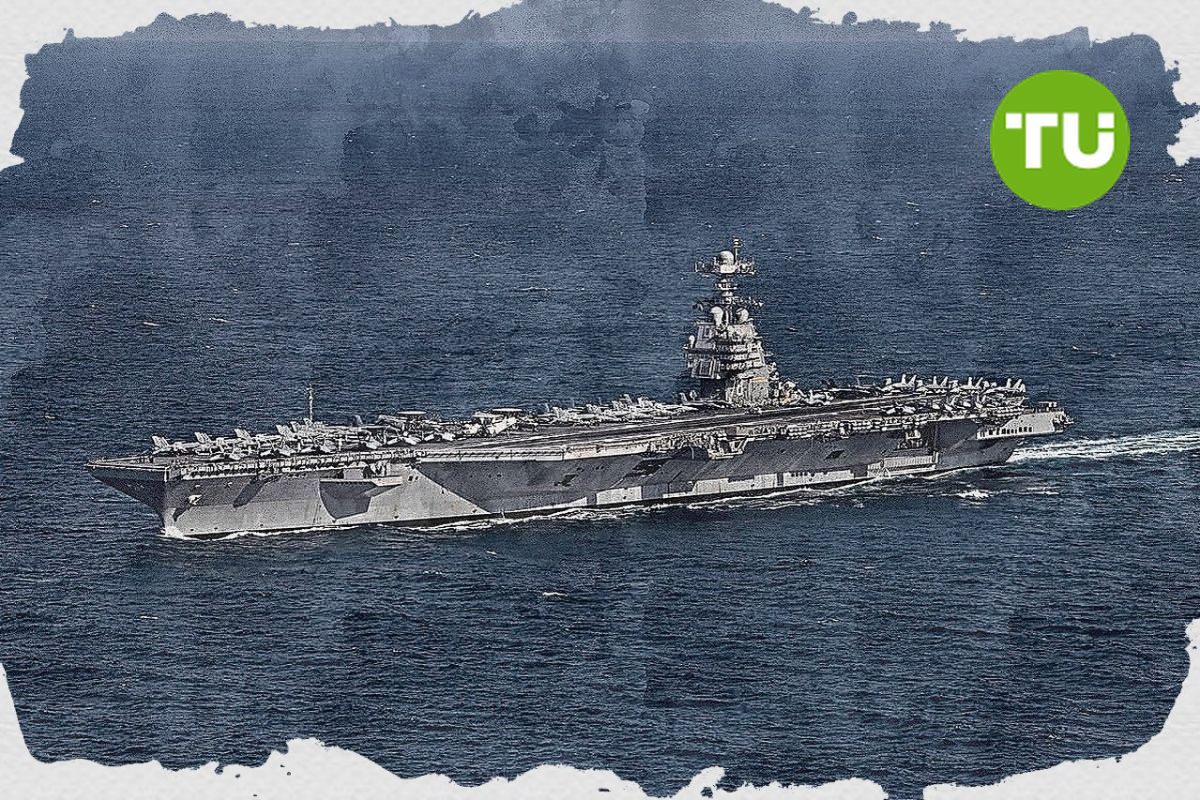
Since the joint United States–Israel strike campaign began on February 28, 2026, the conflict has shifted from a military timeline to an energy chokepoint driven by political demands.
The International Energy Agency has described the disruption as historically large, with crude and product flows through the Strait of Hormuz falling from roughly 20 million barrels per day before the war to “a trickle,” prompting major Gulf producers to cut output sharply and triggering a coordinated 400 million-barrel emergency release. As of March 16, 2026, Brent crude was still trading around $102.9 per barrel, with renewed focus on strikes and threats around critical export infrastructure such as Kharg Island.
Our view is that the conflict is likely to last longer than President Donald Trump’s public guidance, where he suggested it could end “soon” within an initial four-to-five-week window. Oil prices may remain above $100 per barrel for months. Duration is being driven less by battlefield developments and more by three factors: irreconcilable ceasefire conditions, leadership incentives that raise the cost of compromise, and a global shift toward emergency energy measures that assume prolonged disruption.
What’s prolonging the conflict
The war’s duration will be shaped first by a ceasefire gap that is not merely political but structural. Iranian officials have conditioned any ceasefire on U.S. and Israeli airstrikes stopping, and reporting indicates Iran’s demands conveyed via intermediaries include a permanent end to U.S./Israeli attacks and compensation as part of a ceasefire. The U.S has rebuffed efforts by allies to open ceasefire talks, and President Donald Trump has insisted there will be no deal short of “unconditional surrender.” When one side’s minimum terms are “stop striking and pay compensation” and the other side’s minimum terms are “surrender,” the overlap is effectively zero. In short, duration rises because neither party can accept a settlement without a visible change in leverage.
Second, Trump’s ego and ambition matter because he has personalized both the timeline and the definition of victory. In interviews and remarks he has said the war will end “soon,” referenced an initial four-to-five-week timeframe, and implied he will decide when to stop (“any time I want it to end, it will end”). At the same time, he has oscillated between declaring victory and insisting the U.S. must “finish the job,” and he has publicly tied post-war outcomes to selecting new Iranian leaders acceptable to Washington. Leadership research suggests wars can last longer when leaders resist exits that look like losses and instead seek outcomes that clearly read as “wins.”

Chart 1. Iran’s terms to end the war
Third, the global policy response looks like a months-not-weeks posture, and those actions themselves can tighten markets. Thailand ordered civil servants to work from home, cut travel and electricity use, and raise air-conditioning set points to conserve energy. Vietnam’s trade ministry urged businesses to encourage work-from-home “when possible” to save fuel amid shortages and sharp price increases.
Pakistan announced school closures, a four-day workweek, and large cuts in government fuel allowances to curb consumption. China moved to stop March exports of refined fuels to pre-empt domestic shortages, tightening regional diesel and jet-fuel availability. Japan committed to a record 80 million-barrel stockpile release, and South Korea imposed a fuel price cap and restricted stockpiling. Germany agreed to release strategic reserves and limit fuel-price increases. These decisions are signals that governments are acting as if the disruption is not a brief spike but a sustained event requiring rationing, stockpile use, and demand restraint.

Chart 2. Shipping lane in the Strait of Hormuz
Those emergency moves reflect the reality that the war’s central economic lever is the Strait of Hormuz. Pre-crisis, roughly 20 million barrels per day of crude and products transited the strait—about one-fifth of global petroleum-liquids consumption by U.S. EIA estimates. The IEA estimates only around 3.5–5.5 million barrels per day of pipeline capacity can bypass Hormuz, meaning most disrupted volume cannot be “routed around” the chokepoint.
Strait of Hormuz disruption: A chokepoint, not a detour
The IEA’s March Oil Market Report describes the current episode as the largest supply disruption in the history of the global oil market, with flows reduced to a trickle and Gulf producers cutting output by at least 10 million barrels per day. Refined-product flows are near standstill and over 3 million barrels per day of regional refining capacity has shut, sharpening shortages beyond crude. The IEA’s 400 million-barrel emergency release is historically large, but it represents roughly 20 days of 20 million barrels per day of disrupted flows.
This is why oil can plausibly remain above $100 per barrel for months. As of March 16, Brent was still around $103 even after emergency releases were announced, signaling that markets are pricing both a physical shortfall and an enduring risk premium. Reuters reporting stresses that restoring “normal” tanker traffic depends on credible safety guarantees from Iran, and that Iran’s ability to sustain low-cost disruption can outlast a formal “end of combat operations.” Even if the fighting eased quickly, Reuters has warned that weeks or months of higher fuel prices could persist because terminals and logistics networks need time to restart and because shipping insurance and risk perceptions can lag the shooting.
Investment implications
Given the ceasefire deadlock and the scale of the Hormuz disruption, my base case is a prolonged “high-risk shipping” regime where oil stays structurally bid and volatility remains elevated. For stocks, emphasize companies with direct leverage to higher crude and product prices. High-quality integrated majors disciplined upstream E&Ps with strong free cash flow, and select oilfield services that benefit from higher activity and pricing power. For a more defensive tilt, midstream/pipeline operators with fee-based cash flows can provide income while maintaining energy exposure.
For sophisticated investors who can manage margin, a long Brent or WTI position can express the thesis directly, but position sizing should assume sudden, headline-driven reversals and coordinated stock releases. On options, I prefer defined-risk structures. Examples include Brent call spreads, calendars timed to the next few settlement months, or collars if hedging physical exposure. Avoid naked short-vol strategies while drone-and-mine risk remains acute.
Lastly, on currencies, sustained $100 oil tends to pressure large net importers via wider current-account deficits. A cautious expression is long USD against a basket of vulnerable importer currencies, or selectively long commodity-linked currencies (CAD/NOK) against importers, with tight stops.
If you choose to act based on your risk appetite, the list of the best stockbrokers for investing below can help. It gives you a quick way to compare trusted platforms so you can open an account easily and place your trades with a bit more clarity and control.





Latest Oil News



-
 Afghanistan
-
 Albania
-
 Algeria
-
 Angola
-
 Argentina
-
 Armenia
-
 Australia
-
 Austria
-
 Azerbaijan
-
 Bahamas
-
 Bahrain
-
 Bangladesh
-
 Belarus
-
 Belgium
-
 Bolivia
-
 Botswana
-
 Brazil
-
 Brunei
-
 Bulgaria
-
 Cambodia
-
 Cameroon
-
 Canada
-
 Chile
Chile
-
 China
China
-
 Colombia
-
 Congo
Congo
-
 Costa Rica
-
 Cote d'Ivoire
-
 Croatia
-
 Cuba
Cuba
-
 Cyprus
-
 Czechia
-
 DR Congo
-
 Denmark
-
 Dominican Republic
-
 Ecuador
-
 Egypt
Egypt
-
 El Salvador
-
 Estonia
-
 Eswatini
-
 Ethiopia
-
 Finland
-
 France
-
 Georgia
-
 Germany
-
 Ghana
Ghana
-
 Greece
-
 Haiti
Haiti
-
 Hong Kong
-
 Hungary
-
 India
India
-
 Indonesia
-
 Iran, Islamic republic
-
 Iraq
Iraq
-
 Ireland
-
 Israel
-
 Italy
Italy
-
 Jamaica
-
 Japan
Japan
-
 Jordan
-
 Kazakhstan
-
 Kenya
Kenya
-
 Korea
Korea
-
 Kuwait
-
 Kyrgyzstan
-
 Laos
Laos
-
 Latvia
-
 Lebanon
-
 Lesotho
-
 Libya
Libya
-
 Lithuania
-
 Luxembourg
-
 Madagascar
-
 Malaysia
-
 Malta
Malta
-
 Mauritius
-
 Mexico
-
 Moldova
-
 Mongolia
-
 Montenegro
-
 Morocco
-
 Mozambique
-
 Myanmar
-
 Namibia
-
 Nepal
Nepal
-
 Netherlands
-
 New Zealand
-
 Nigeria
-
 North Macedonia
-
 Norway
-
 Oman
Oman
-
 Pakistan
-
 Palestine
-
 Panama
-
 Papua New Guinea
-
 Paraguay
-
 Peru
Peru
-
 Philippines
-
 Poland
-
 Portugal
-
 Puerto Rico
-
 Qatar
Qatar
-
 Reunion
-
 Romania
-
 Rwanda
-
 Saudi Arabia
-
 Serbia
-
 Singapore
-
 Slovakia
-
 Slovenia
-
 Somalia
-
 South Africa
-
 Spain
Spain
-
 Sri Lanka
-
 Sweden
-
 Switzerland
-
 Syria
Syria
-
 Taiwan
-
 Tajikistan
-
 Tanzania
-
 Thailand
-
 Trinidad and Tobago
-
 Tunisia
-
 Turkey
-
 UAE
UAE
-
 Uganda
-
 Ukraine
-
 United Kingdom
-
United States
-
 Uruguay
-
 Uzbekistan
-
 Venezuela
-
 Vietnam
-
 Yemen
Yemen
-
 Zambia
-
 Zimbabwe
- Forex
- Crypto












