
Trump tariffs could put $621B of Asian exports at risk
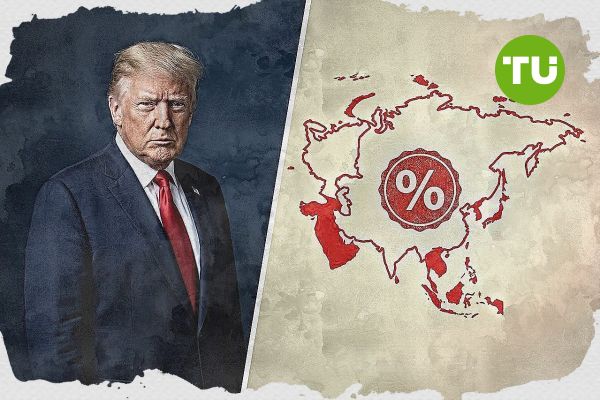
As the U.S. Supreme Court weighs whether President Donald Trump’s “reciprocal” tariffs should be struck down, the White House is leaning on another tool that sits outside the court fight: Section 232 national-security tariffs.
A Nikkei Asia analysis estimates these measures — already imposed or still under consideration — could ultimately threaten up to $621 billion in Asian exports if applied broadly.
The stakes are high because a ruling against reciprocal tariffs would hit a central pillar of Trump’s trade strategy, potentially forcing refunds for importers who have already paid more than $200 billion in duties. But Section 232 gives the administration a separate legal pathway to impose product-specific levies if imports are framed as a national security risk. Trump has used that authority aggressively since his first term, and analysts say his second term is showing an even more protectionist edge. The result is that even if the Supreme Court narrows one tariff route, Washington still has another powerful channel to keep pressure on global trade flows.
A broader tariff net across metals, autos and chips
Section 232 comes from the Trade Expansion Act of 1962, allowing tariffs after investigations determine national security grounds. The Trump administration launched 14 Section 232 investigations last year, targeting sectors such as machinery, critical minerals, pharmaceuticals and automobiles — a pace that far outstrips historical norms. Nikkei notes Trump accounts for around 40% of all Section 232 investigations conducted over the past six decades, and he was the first president to actually impose them in 2017.
In his current term, duties tied to national security have already hit industries including steel, aluminum, automotives, furniture, copper and semiconductors, meaning they are unaffected by whatever the Supreme Court decides on reciprocal tariffs. Trade experts argue this expands the definition of “security” into a flexible justification for industrial protection. Former negotiators also warn Trump could apply wide sector tariffs and then selectively carve out countries that agree to bilateral deals. That dynamic raises uncertainty for both exporters and U.S. importers, because exemptions may become transactional rather than rule-based.
Asia faces the largest exposure, including U.S. allies
Among Asian partners, China is the most exposed, with $142 billion in goods considered vulnerable under pending or determined 232 tariffs, based on Nikkei’s analysis of 2024 customs data. However, the threat extends well beyond rivals: Japan faces $107 billion in exposure and South Korea $102 billion, putting major U.S. allies near the top of the risk list. The concern is that even countries with trade agreements or negotiated “fixed tariff” arrangements may not be protected in future rounds.
Trade policy specialists warn those deals could lose value if new Section 232 categories keep expanding. While the exact tariff rates and product lists remain unclear for investigations still underway, the estimate shows how large the pipeline of potential duties has become. In practical terms, the U.S. could continue escalating tariff pressure through national security claims, even as legal battles narrow other tools. For Asia, that means the real story isn’t only the Supreme Court decision — it’s the larger shift toward a more permanent, sector-by-sector tariff regime.
Recently we wrote that the U.S. economy reached a two-year high in the third quarter, expanding by 4.4%, effectively cementing expectations that the Federal Reserve will keep interest rates unchanged at its January 28 meeting.


Latest Finance News





-
 Afghanistan
-
 Albania
-
 Algeria
-
 Angola
-
 Argentina
-
 Armenia
-
 Australia
-
 Austria
-
 Azerbaijan
-
 Bahamas
-
 Bahrain
-
 Bangladesh
-
 Belarus
-
 Belgium
-
 Bolivia
-
 Botswana
-
 Brazil
-
 Brunei
-
 Bulgaria
-
 Cambodia
-
 Cameroon
-
 Canada
-
 Chile
Chile
-
 China
China
-
 Colombia
-
 Congo
Congo
-
 Costa Rica
-
 Cote d'Ivoire
-
 Croatia
-
 Cuba
Cuba
-
 Cyprus
-
 Czechia
-
 DR Congo
-
 Denmark
-
 Dominican Republic
-
 Ecuador
-
 Egypt
Egypt
-
 El Salvador
-
 Estonia
-
 Eswatini
-
 Ethiopia
-
 Finland
-
 France
-
 Georgia
-
 Germany
-
 Ghana
Ghana
-
 Greece
-
 Haiti
Haiti
-
 Hong Kong
-
 Hungary
-
 India
India
-
 Indonesia
-
 Iran, Islamic republic
-
 Iraq
Iraq
-
 Ireland
-
 Israel
-
 Italy
Italy
-
 Jamaica
-
 Japan
Japan
-
 Jordan
-
 Kazakhstan
-
 Kenya
Kenya
-
 Korea
Korea
-
 Kuwait
-
 Kyrgyzstan
-
 Laos
Laos
-
 Latvia
-
 Lebanon
-
 Lesotho
-
 Libya
Libya
-
 Lithuania
-
 Luxembourg
-
 Madagascar
-
 Malaysia
-
 Malta
Malta
-
 Mauritius
-
 Mexico
-
 Moldova
-
 Mongolia
-
 Montenegro
-
 Morocco
-
 Mozambique
-
 Myanmar
-
 Namibia
-
 Nepal
Nepal
-
 Netherlands
-
 New Zealand
-
 Nigeria
-
 North Macedonia
-
 Norway
-
 Oman
Oman
-
 Pakistan
-
 Palestine
-
 Panama
-
 Papua New Guinea
-
 Paraguay
-
 Peru
Peru
-
 Philippines
-
 Poland
-
 Portugal
-
 Puerto Rico
-
 Qatar
Qatar
-
 Reunion
-
 Romania
-
 Rwanda
-
 Saudi Arabia
-
 Serbia
-
 Singapore
-
 Slovakia
-
 Slovenia
-
 Somalia
-
 South Africa
-
 Spain
Spain
-
 Sri Lanka
-
 Sweden
-
 Switzerland
-
 Syria
Syria
-
 Taiwan
-
 Tajikistan
-
 Tanzania
-
 Thailand
-
 Trinidad and Tobago
-
 Tunisia
-
 Turkey
-
 UAE
UAE
-
 Uganda
-
 Ukraine
-
 United Kingdom
-
United States
-
 Uruguay
-
 Uzbekistan
-
 Venezuela
-
 Vietnam
-
 Yemen
Yemen
-
 Zambia
-
 Zimbabwe
- Forex
- Crypto












