
Oil price tops $110 for first time since 2022 as Iran war escalates

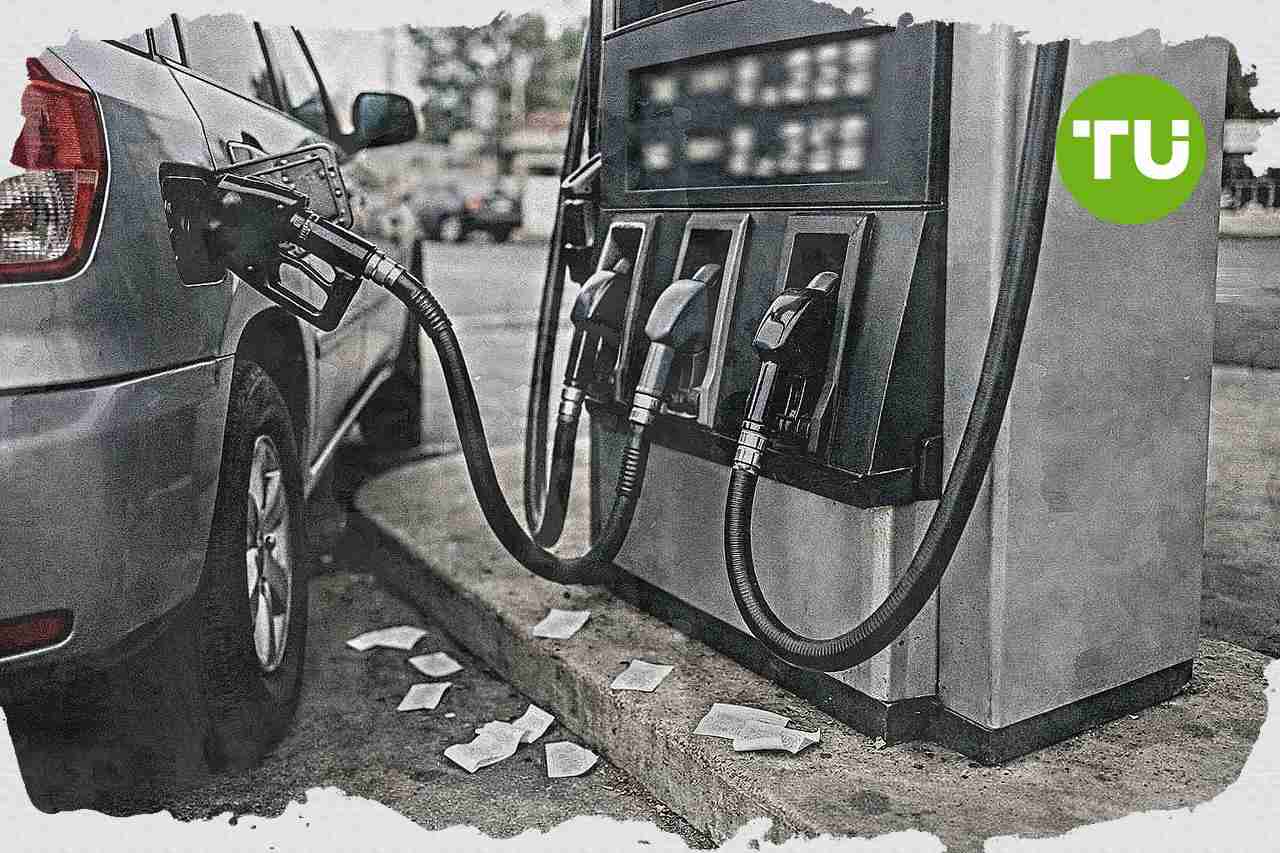
Global oil prices have surged above $100 per barrel as the escalating conflict involving Iran raises fears of major disruptions to global energy supplies. Financial markets reacted quickly, with Dow Jones futures dropping nearly 900 points amid growing geopolitical uncertainty.
Highlights
- Oil prices hit over $110 per barrel for the first time since 2022, driven by the Iran war.
- The conflict raises concerns over oil supply disruptions, particularly through the vital Strait of Hormuz.
- Oil prices have risen significantly, with Brent and WTI seeing 50%-60% increases since the conflict began.
- Stock markets, including the Dow, S&P 500, and Nasdaq, experienced declines due to rising oil prices.
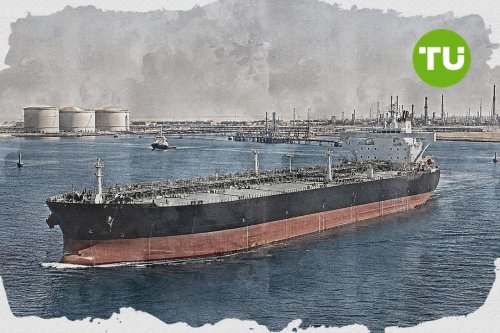
According to Yahoo!Finance, the sharp rise in oil prices follows the continued closure of the Strait of Hormuz, one of the most critical routes for global oil shipments. A significant share of crude exports from the Persian Gulf passes through this narrow maritime corridor, making any disruption a major concern for global markets.
Oil prices reach multi-year highs
According to market data, West Texas Intermediate (WTI) crude futures jumped roughly 20%, or $18.30, reaching $109.30 per barrel. The global benchmark Brent crude rose about 18%, or $16.71, to $109.35 per barrel.
During overnight trading, both benchmarks briefly moved above $110 per barrel, marking the first time oil prices reached such levels since 2022. Since the start of the conflict involving Iran, Brent prices have climbed more than 50%, while WTI has gained roughly 60%.
The rally represents one of the fastest oil price increases in decades. Analysts note that the pace of the surge resembles energy shocks seen during the oil crises of the 1980s.
Financial markets react to geopolitical tensions
Global equity markets responded negatively to the energy shock. Dow Jones futures dropped about 900 points, while futures tied to the S&P 500 and Nasdaq 100 declined 1.9% and 2.3%, respectively.
U.S. President Donald Trump commented on the price spike, saying that higher short-term oil prices are a “very small price” to pay amid the conflict. Meanwhile, political developments in Iran have added to uncertainty, with reports indicating that Mojtaba Khamenei, the son of Ayatollah Ali Khamenei, has been appointed as the country’s new supreme leader.
U.S. Energy Secretary Chris Wright expressed cautious optimism, stating that shipping through the Strait of Hormuz could resume soon. According to Wright, the worst-case scenario would see the disruption last several weeks rather than months.
Rising global economic risks
The conflict is putting increasing pressure on global diplomacy and economic stability. A meeting between Donald Trump and Chinese President Xi Jinping is expected to take place March 31–April 2, while G7 countries are preparing to hold emergency talks on the Middle East crisis.
Oil prices above $100–$110 per barrel significantly increase inflation risks for the global economy. Analysts warn that a prolonged closure of the Strait of Hormuz could drive energy prices even higher and trigger greater volatility across financial markets.
In the coming weeks, investors will closely monitor developments in the conflict and any progress toward restoring oil shipments through the region.
It was earlier reported that Brent crude tops $90 after Trump demands Iran unconditional surrender.













-
 Afghanistan
-
 Albania
-
 Algeria
-
 Angola
-
 Argentina
-
 Armenia
-
 Australia
-
 Austria
-
 Azerbaijan
-
 Bahamas
-
 Bahrain
-
 Bangladesh
-
 Belarus
-
 Belgium
-
 Bolivia
-
 Botswana
-
 Brazil
-
 Brunei
-
 Bulgaria
-
 Cambodia
-
 Cameroon
-
 Canada
-
 Chile
Chile
-
 China
China
-
 Colombia
-
 Congo
Congo
-
 Costa Rica
-
 Cote d'Ivoire
-
 Croatia
-
 Cuba
Cuba
-
 Cyprus
-
 Czechia
-
 DR Congo
-
 Denmark
-
 Dominican Republic
-
 Ecuador
-
 Egypt
Egypt
-
 El Salvador
-
 Estonia
-
 Eswatini
-
 Ethiopia
-
 Finland
-
 France
-
 Georgia
-
 Germany
-
 Ghana
Ghana
-
 Greece
-
 Haiti
Haiti
-
 Hong Kong
-
 Hungary
-
 India
India
-
 Indonesia
-
 Iran, Islamic republic
-
 Iraq
Iraq
-
 Ireland
-
 Israel
-
 Italy
Italy
-
 Jamaica
-
 Japan
Japan
-
 Jordan
-
 Kazakhstan
-
 Kenya
Kenya
-
 Korea
Korea
-
 Kuwait
-
 Kyrgyzstan
-
 Laos
Laos
-
 Latvia
-
 Lebanon
-
 Lesotho
-
 Libya
Libya
-
 Lithuania
-
 Luxembourg
-
 Madagascar
-
 Malaysia
-
 Malta
Malta
-
 Mauritius
-
 Mexico
-
 Moldova
-
 Mongolia
-
 Montenegro
-
 Morocco
-
 Mozambique
-
 Myanmar
-
 Namibia
-
 Nepal
Nepal
-
 Netherlands
-
 New Zealand
-
 Nigeria
-
 North Macedonia
-
 Norway
-
 Oman
Oman
-
 Pakistan
-
 Palestine
-
 Panama
-
 Papua New Guinea
-
 Paraguay
-
 Peru
Peru
-
 Philippines
-
 Poland
-
 Portugal
-
 Puerto Rico
-
 Qatar
Qatar
-
 Reunion
-
 Romania
-
 Rwanda
-
 Saudi Arabia
-
 Serbia
-
 Singapore
-
 Slovakia
-
 Slovenia
-
 Somalia
-
 South Africa
-
 Spain
Spain
-
 Sri Lanka
-
 Sweden
-
 Switzerland
-
 Syria
Syria
-
 Taiwan
-
 Tajikistan
-
 Tanzania
-
 Thailand
-
 Trinidad and Tobago
-
 Tunisia
-
 Turkey
-
 UAE
UAE
-
 Uganda
-
 Ukraine
-
 United Kingdom
-
United States
-
 Uruguay
-
 Uzbekistan
-
 Venezuela
-
 Vietnam
-
 Yemen
Yemen
-
 Zambia
-
 Zimbabwe
- Forex
- Crypto











