House Oversight Committee introduces anti-fraud bills for federal benefit programs

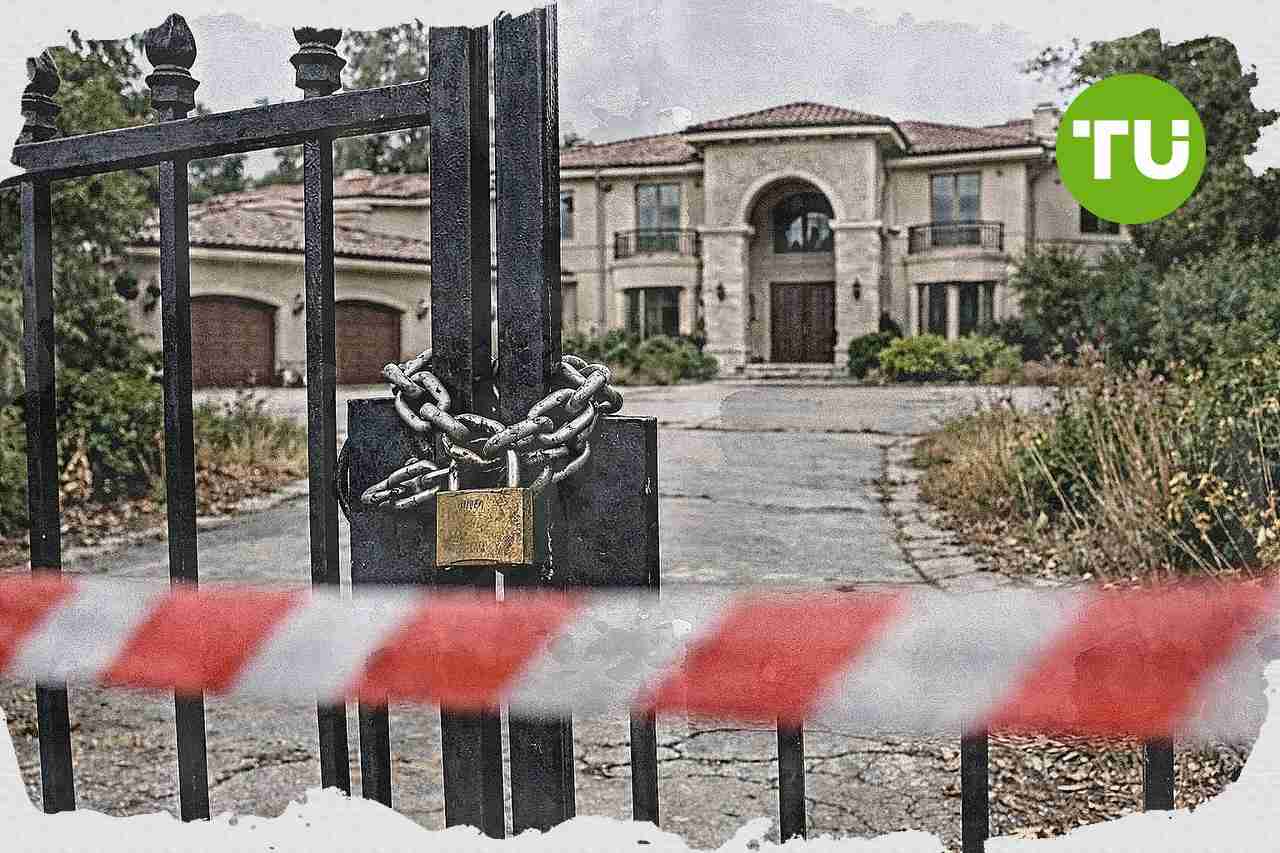
Congressional Republicans are pushing new controls on federal payments as scrutiny of fraud in state-administered benefit programs intensifies. The proposed measures would let agencies and the U.S. Treasury block or return higher-risk payments before funds are disbursed.
Highlights
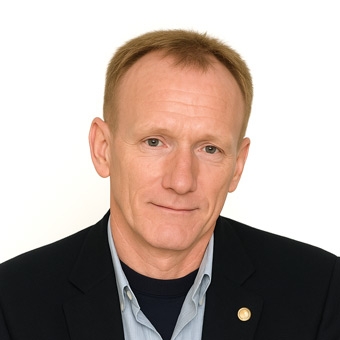
- Chairman James Comer introduced H.R. 8464 and H.R. 8463 to enable federal agencies to stop payments with elevated fraud risk before disbursement.
- The Minnesota committee investigation found as much as $9 billion potentially stolen through fraud in state-administered federal benefit programs including nutrition, autism, and housing support.
- A broader federal review of waste, fraud, and abuse in benefit programs has been requested by Comer, with the new bills set for Oversight Committee markup next week.
Legislation targets pre-payment controls
As reported by the House Committee on Oversight and Accountability, Chairman James Comer introduced the Stopping Fraudulent Payments Act, H.R. 8464, and the Pre-Payment Fraud Prevention and Treasury Data Access Act, H.R. 8463, with House Budget Committee Chairman Jodey Arrington joining as an original cosponsor.Comer says the bills are designed to curb fraud in federal programs by shifting the government away from a "pay and chase" model and toward stopping improper payments before they are sent. Under the first bill, federal agencies could halt payments when they determine there is an elevated fraud risk or a payment is likely to be improper, while the U.S. Treasury would gain authority to return payment requests that appear vulnerable to fraud.
The second bill would direct the Treasury to work with agencies to verify payment and payee information before disbursement. It also expands the use of tools such as the Do Not Pay system and aims to improve agency access to accurate data for identifying improper and fraudulent payments.
Committee investigations add political pressure
The legislative push follows a series of committee investigations into alleged fraud in federally funded programs administered by states. In December 2025, the committee opened an investigation into fraud in Minnesota's social services programs, and in March 2026 it released an interim report alleging that senior state officials knew for years about widespread fraud, failed to act meaningfully and retaliated against whistleblowers.The committee says its Minnesota inquiry uncovered as much as $9 billion potentially stolen by fraudsters from programs intended to feed children, support autistic children and house low-income seniors and Americans with disabilities. It also launched an investigation in March 2026 into alleged taxpayer fraud in California's hospice programs.
Comer has separately asked the Government Accountability Office to conduct a broader review of waste, fraud and abuse across federally funded benefit programs managed by states and U.S. territories. The bills are scheduled to advance next week at an Oversight Committee markup, according to Comer.
Our earlier article on the Justice Department’s $300 million Special Attorneys Program explained how federal authorities plan to expand prosecutorial resources for fraud and other major crimes by embedding qualified prosecutors with DOJ units and U.S. Attorney’s Offices. We noted the initiative is aimed at improving coordination across federal, state, local, Tribal and territorial agencies and supporting a broader push to reduce fraud, waste and abuse in federal benefit programs.


Latest Excellence Trade News






-
 Afghanistan
-
 Albania
-
 Algeria
-
 Angola
-
 Argentina
-
 Armenia
-
 Australia
-
 Austria
-
 Azerbaijan
-
 Bahamas
-
 Bahrain
-
 Bangladesh
-
 Belarus
-
 Belgium
-
 Bolivia
-
 Botswana
-
 Brazil
-
 Brunei
-
 Bulgaria
-
 Cambodia
-
 Cameroon
-
 Canada
-
 Chile
Chile
-
 China
China
-
 Colombia
-
 Congo
Congo
-
 Costa Rica
-
 Cote d'Ivoire
-
 Croatia
-
 Cuba
Cuba
-
 Cyprus
-
 Czechia
-
 DR Congo
-
 Denmark
-
 Dominican Republic
-
 Ecuador
-
 Egypt
Egypt
-
 El Salvador
-
 Estonia
-
 Eswatini
-
 Ethiopia
-
 Finland
-
 France
-
 Georgia
-
 Germany
-
 Ghana
Ghana
-
 Greece
-
 Haiti
Haiti
-
 Hong Kong
-
 Hungary
-
 India
India
-
 Indonesia
-
 Iran, Islamic republic
-
 Iraq
Iraq
-
 Ireland
-
 Israel
-
 Italy
Italy
-
 Jamaica
-
 Japan
Japan
-
 Jordan
-
 Kazakhstan
-
 Kenya
Kenya
-
 Korea
Korea
-
 Kuwait
-
 Kyrgyzstan
-
 Laos
Laos
-
 Latvia
-
 Lebanon
-
 Lesotho
-
 Libya
Libya
-
 Lithuania
-
 Luxembourg
-
 Madagascar
-
 Malaysia
-
 Malta
Malta
-
 Mauritius
-
 Mexico
-
 Moldova
-
 Mongolia
-
 Montenegro
-
 Morocco
-
 Mozambique
-
 Myanmar
-
 Namibia
-
 Nepal
Nepal
-
 Netherlands
-
 New Zealand
-
 Nigeria
-
 North Macedonia
-
 Norway
-
 Oman
Oman
-
 Pakistan
-
 Palestine
-
 Panama
-
 Papua New Guinea
-
 Paraguay
-
 Peru
Peru
-
 Philippines
-
 Poland
-
 Portugal
-
 Puerto Rico
-
 Qatar
Qatar
-
 Reunion
-
 Romania
-
 Rwanda
-
 Saudi Arabia
-
 Serbia
-
 Singapore
-
 Slovakia
-
 Slovenia
-
 Somalia
-
 South Africa
-
 Spain
Spain
-
 Sri Lanka
-
 Sweden
-
 Switzerland
-
 Syria
Syria
-
 Taiwan
-
 Tajikistan
-
 Tanzania
-
 Thailand
-
 Trinidad and Tobago
-
 Tunisia
-
 Turkey
-
 UAE
UAE
-
 Uganda
-
 Ukraine
-
 United Kingdom
-
United States
-
 Uruguay
-
 Uzbekistan
-
 Venezuela
-
 Vietnam
-
 Yemen
Yemen
-
 Zambia
-
 Zimbabwe
- Forex
- Crypto











