
U.S. House panel reviews bank capital rule changes for lending and competitiveness
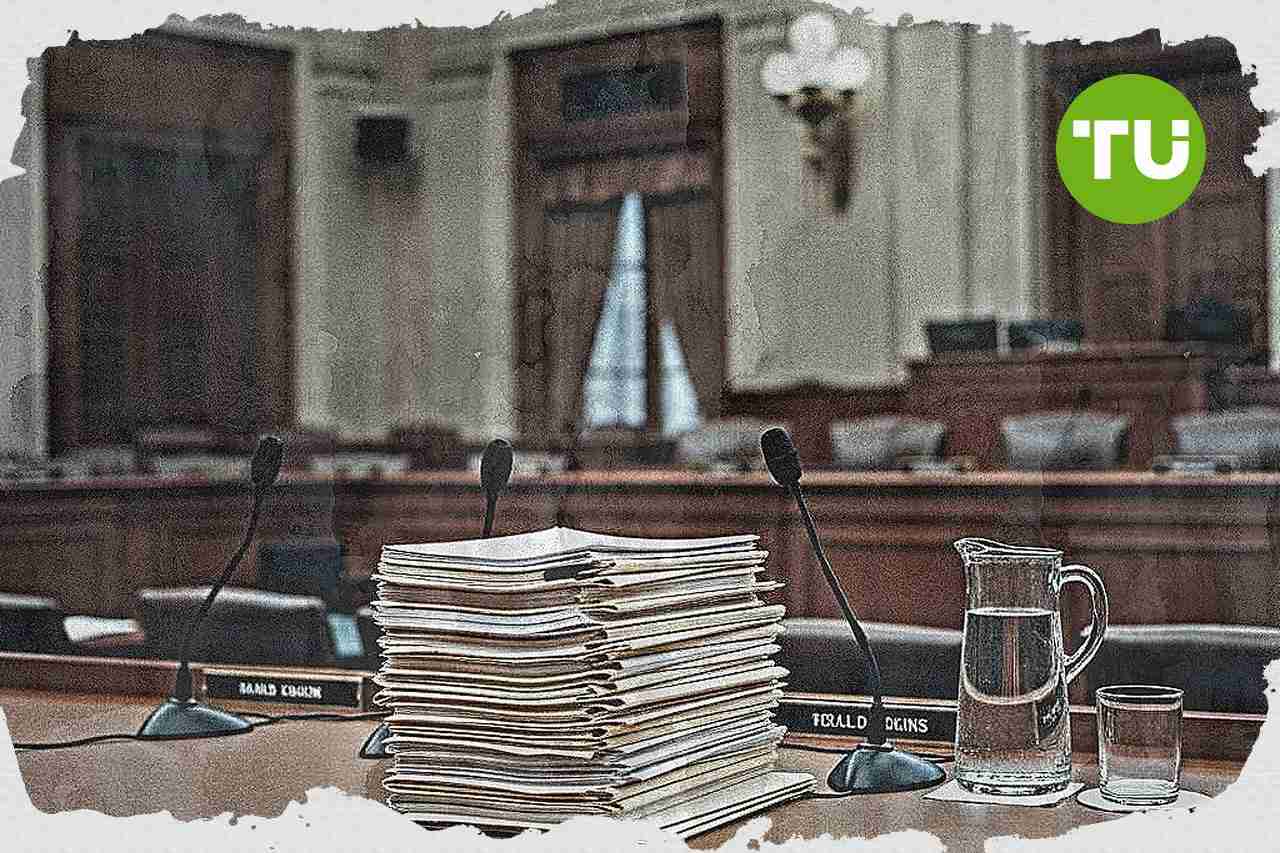
Federal regulators' revised bank capital proposals are drawing congressional scrutiny as lawmakers weigh their effect on credit availability, market activity and the global standing of U.S. lenders. The hearing centers on updates to Basel III, the standardized approach and the GSIB surcharge, with Republicans arguing the framework should better match risk and avoid unintended economic fallout.
Highlights
- House Committee on Financial Services held a hearing reviewing OCC, FDIC and Federal Reserve's revised Basel III capital proposals and surcharge updates for global systemically significant banks.
- Revised framework moves U.S. capital requirements closer to global norms, drops stricter mortgage risk weights from the 2023 proposal, and addresses bipartisan criticism.
- Lawmakers stress capital rule changes must not restrict lending, impair bank competitiveness or limit access to affordable credit for U.S. households and local economies.
Congressional review of revised capital plans
As reported by the House Committee on Financial Services, the committee is holding a hearing on newly released capital proposals from the OCC, FDIC and Federal Reserve, including revisions to Basel III rules, changes to the standardized approach and an updated surcharge proposal for global systemically significant banks.Vice Chairman Bill Huizenga says the review is focused on whether capital standards are properly tailored, preserve safety and soundness and still allow banks to support lending and economic growth. He says the revised Basel III framework responds to bipartisan criticism of the 2023 proposal and moves U.S. requirements closer to international norms after earlier measures diverged from global standards.
Huizenga also says capital rules should support investment rather than stack requirements beyond what underlying risks justify. He argues an overly punitive regime could curb the role banks play in securities underwriting, derivatives hedging, securitization and equity investments in funds, weakening their intermediary function in capital markets.
Implications for households and the banking sector
Republicans on the committee say the capital framework should serve households and businesses that rely on credit, not only regulators or the largest financial institutions. Huizenga points to mortgage lending as one example, saying the revised proposal drops the stricter mortgage risk weights in the 2023 version that had faced bipartisan opposition.That change, he says, helps protect access to affordable home loans for U.S. families while broader revisions aim to avoid knock-on effects across the economy. The committee says Congress must ensure the proposals are clear, targeted and do not create unintended consequences that could impair competitiveness or restrict financing for local economies.
Our earlier coverage of the Senate Homeland Security Committee’s report detailed how hundreds of billions of dollars in taxpayer-funded payments have flowed to domestic and foreign banks, raising questions about transparency and oversight. The report argued that clearer disclosure and tighter controls are needed to ensure public funds are authorized and distributed responsibly—an accountability debate that continues as Congress scrutinizes new banking rules.



Latest Reforms News







-
 Afghanistan
-
 Albania
-
 Algeria
-
 Angola
-
 Argentina
-
 Armenia
-
 Australia
-
 Austria
-
 Azerbaijan
-
 Bahamas
-
 Bahrain
-
 Bangladesh
-
 Belarus
-
 Belgium
-
 Bolivia
-
 Botswana
-
 Brazil
-
 Brunei
-
 Bulgaria
-
 Cambodia
-
 Cameroon
-
 Canada
-
 Chile
Chile
-
 China
China
-
 Colombia
-
 Congo
Congo
-
 Costa Rica
-
 Cote d'Ivoire
-
 Croatia
-
 Cuba
Cuba
-
 Cyprus
-
 Czechia
-
 DR Congo
-
 Denmark
-
 Dominican Republic
-
 Ecuador
-
 Egypt
Egypt
-
 El Salvador
-
 Estonia
-
 Eswatini
-
 Ethiopia
-
 Finland
-
 France
-
 Georgia
-
 Germany
-
 Ghana
Ghana
-
 Greece
-
 Haiti
Haiti
-
 Hong Kong
-
 Hungary
-
 India
India
-
 Indonesia
-
 Iran, Islamic republic
-
 Iraq
Iraq
-
 Ireland
-
 Israel
-
 Italy
Italy
-
 Jamaica
-
 Japan
Japan
-
 Jordan
-
 Kazakhstan
-
 Kenya
Kenya
-
 Korea
Korea
-
 Kuwait
-
 Kyrgyzstan
-
 Laos
Laos
-
 Latvia
-
 Lebanon
-
 Lesotho
-
 Libya
Libya
-
 Lithuania
-
 Luxembourg
-
 Madagascar
-
 Malaysia
-
 Malta
Malta
-
 Mauritius
-
 Mexico
-
 Moldova
-
 Mongolia
-
 Montenegro
-
 Morocco
-
 Mozambique
-
 Myanmar
-
 Namibia
-
 Nepal
Nepal
-
 Netherlands
-
 New Zealand
-
 Nigeria
-
 North Macedonia
-
 Norway
-
 Oman
Oman
-
 Pakistan
-
 Palestine
-
 Panama
-
 Papua New Guinea
-
 Paraguay
-
 Peru
Peru
-
 Philippines
-
 Poland
-
 Portugal
-
 Puerto Rico
-
 Qatar
Qatar
-
 Reunion
-
 Romania
-
 Rwanda
-
 Saudi Arabia
-
 Serbia
-
 Singapore
-
 Slovakia
-
 Slovenia
-
 Somalia
-
 South Africa
-
 Spain
Spain
-
 Sri Lanka
-
 Sweden
-
 Switzerland
-
 Syria
Syria
-
 Taiwan
-
 Tajikistan
-
 Tanzania
-
 Thailand
-
 Trinidad and Tobago
-
 Tunisia
-
 Turkey
-
 UAE
UAE
-
 Uganda
-
 Ukraine
-
 United Kingdom
-
United States
-
 Uruguay
-
 Uzbekistan
-
 Venezuela
-
 Vietnam
-
 Yemen
Yemen
-
 Zambia
-
 Zimbabwe
- Forex
- Crypto











