
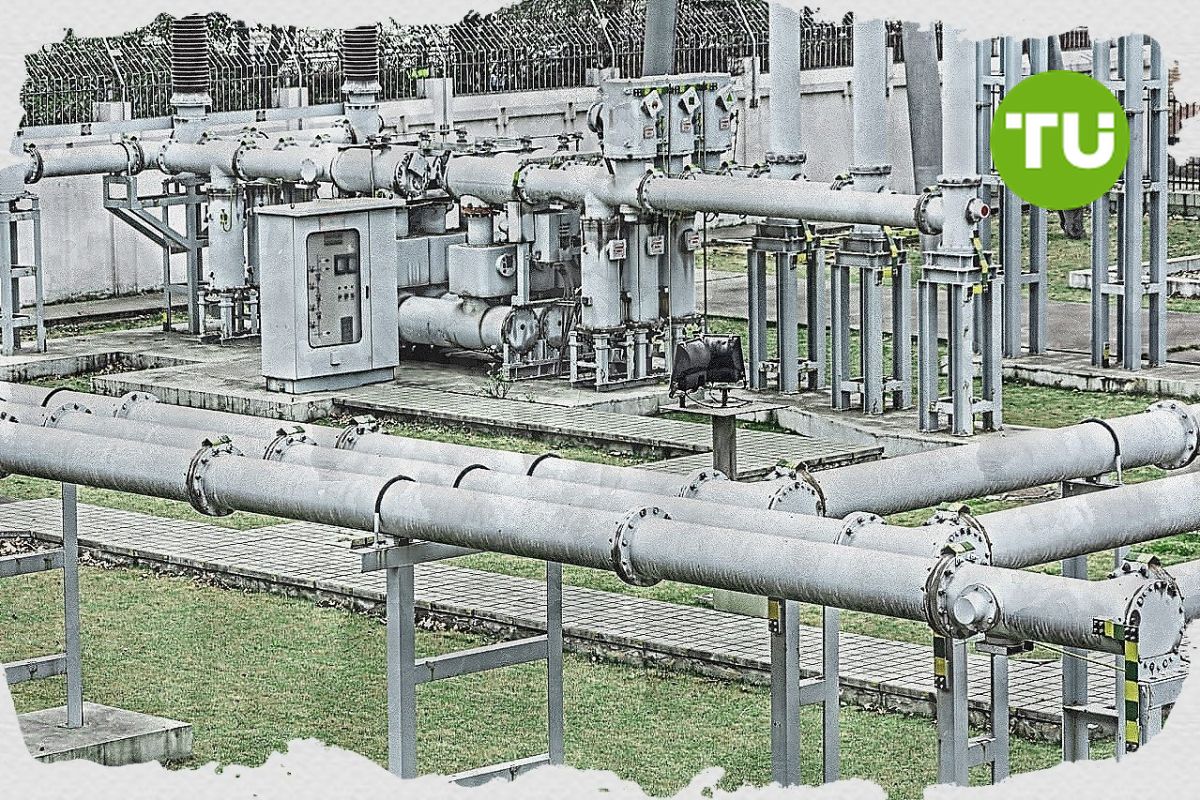
The natural gas market is no longer just a simple “commodity story” — it has evolved into a complex mix of geopolitics, LNG flows, energy demand from AI, and infrastructure constraints across the US, Europe, and Asia. Rising tensions around Iran and the Strait of Hormuz have once again heightened concerns about potential LNG supply disruptions, pushing European buyers toward US terminals despite record production and high storage levels in the United States. As a result, global LNG prices appear relatively tight, while Henry Hub remains weak, highlighting the gap between local oversupply and global infrastructure bottlenecks.

The US domestic market continues to be oversupplied: Henry Hub spot prices are hovering around 2.5–2.8 USD/MMBtu amid mild weather, elevated storage levels, and growing production, which could approach 122 Bcf/d by 2027, driven by the Permian Basin, Appalachia, and Haynesville. The key issue is infrastructure: in parts of West Texas, prices have already slipped back into negative territory, forcing producers to pay to offload gas. Meanwhile, the EIA expects US LNG exports to rise to around 17 Bcf/d in 2026 and 18.5–20.5 Bcf/d in 2027, as Golden Pass, Plaquemines, and Corpus Christi Stage 3 come online, strengthening the US position as the world’s leading LNG supplier.
A new structural driver is the rapid growth in electricity demand from AI data centers. Analysts note that by 2030, US data centers could require up to an additional 8 Bcf/d of gas-fired generation, as hyperscalers and AI companies increasingly build localized or gas-intensive solutions to ensure 24/7 power reliability. Researchers from Columbia SIPA and others view this as a long-term shift: natural gas is gradually transitioning from a cyclical commodity into a strategic fuel for digital infrastructure. This scenario is already reflected in the futures curve, where longer-dated contracts price in a tighter and more volatile market compared to the current spot oversupply.
In the near term, the market remains sensitive to excess supply and weather conditions: a mild summer and continued production growth could keep prices in the 2.5–3.0 USD/MMBtu range. However, the medium-term outlook is becoming increasingly bullish: rising LNG exports, the AI-driven demand boost, and gradual infrastructure expansion are shaping a 12–24 month scenario in which prices could shift from the current 2–3 USD/MMBtu range toward 4–5 USD/MMBtu, especially if meaningful supply shocks emerge or demand accelerates. Technically, the market is currently confined to a 2.5–3.0 range, where 3.0 acts as a key breakout level, 3.4 as a potential bearish invalidation zone, and 4.0 as a signal of a structural bullish regime.
In the short term, range-bound trading is likely to persist, as noted in yesterday’s article Natural gas rebounds as cold weather provides support.


Latest Natural Gas News







-
 Afghanistan
-
 Albania
-
 Algeria
-
 Angola
-
 Argentina
-
 Armenia
-
 Australia
-
 Austria
-
 Azerbaijan
-
 Bahamas
-
 Bahrain
-
 Bangladesh
-
 Belarus
-
 Belgium
-
 Bolivia
-
 Botswana
-
 Brazil
-
 Brunei
-
 Bulgaria
-
 Cambodia
-
 Cameroon
-
 Canada
-
 Chile
Chile
-
 China
China
-
 Colombia
-
 Congo
Congo
-
 Costa Rica
-
 Cote d'Ivoire
-
 Croatia
-
 Cuba
Cuba
-
 Cyprus
-
 Czechia
-
 DR Congo
-
 Denmark
-
 Dominican Republic
-
 Ecuador
-
 Egypt
Egypt
-
 El Salvador
-
 Estonia
-
 Eswatini
-
 Ethiopia
-
 Finland
-
 France
-
 Georgia
-
 Germany
-
 Ghana
Ghana
-
 Greece
-
 Haiti
Haiti
-
 Hong Kong
-
 Hungary
-
 India
India
-
 Indonesia
-
 Iran, Islamic republic
-
 Iraq
Iraq
-
 Ireland
-
 Israel
-
 Italy
Italy
-
 Jamaica
-
 Japan
Japan
-
 Jordan
-
 Kazakhstan
-
 Kenya
Kenya
-
 Korea
Korea
-
 Kuwait
-
 Kyrgyzstan
-
 Laos
Laos
-
 Latvia
-
 Lebanon
-
 Lesotho
-
 Libya
Libya
-
 Lithuania
-
 Luxembourg
-
 Madagascar
-
 Malaysia
-
 Malta
Malta
-
 Mauritius
-
 Mexico
-
 Moldova
-
 Mongolia
-
 Montenegro
-
 Morocco
-
 Mozambique
-
 Myanmar
-
 Namibia
-
 Nepal
Nepal
-
 Netherlands
-
 New Zealand
-
 Nigeria
-
 North Macedonia
-
 Norway
-
 Oman
Oman
-
 Pakistan
-
 Palestine
-
 Panama
-
 Papua New Guinea
-
 Paraguay
-
 Peru
Peru
-
 Philippines
-
 Poland
-
 Portugal
-
 Puerto Rico
-
 Qatar
Qatar
-
 Reunion
-
 Romania
-
 Rwanda
-
 Saudi Arabia
-
 Serbia
-
 Singapore
-
 Slovakia
-
 Slovenia
-
 Somalia
-
 South Africa
-
 Spain
Spain
-
 Sri Lanka
-
 Sweden
-
 Switzerland
-
 Syria
Syria
-
 Taiwan
-
 Tajikistan
-
 Tanzania
-
 Thailand
-
 Trinidad and Tobago
-
 Tunisia
-
 Turkey
-
 UAE
UAE
-
 Uganda
-
 Ukraine
-
 United Kingdom
-
United States
-
 Uruguay
-
 Uzbekistan
-
 Venezuela
-
 Vietnam
-
 Yemen
Yemen
-
 Zambia
-
 Zimbabwe
- Forex
- Crypto











