
U.S. senators advance Russia sanctions deal with White House
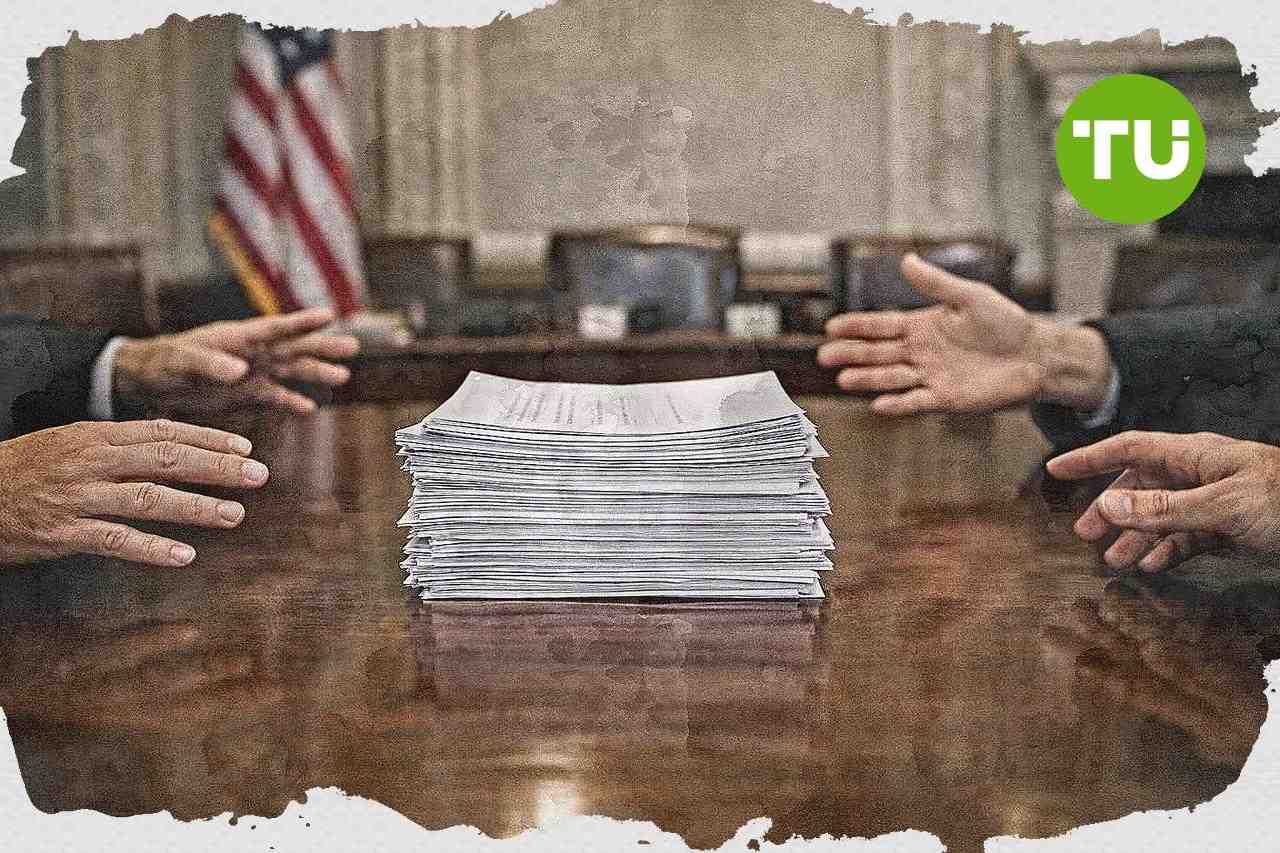
A bipartisan push in Washington to raise economic pressure on Moscow is moving forward after months of negotiations with the Trump administration. The agreement targets Russia and countries that buy its oil and gas, marking a broader shift in U.S. support for Ukraine.
Highlights
- Republican and Democratic senators, including Lindsey Graham and Richard Blumenthal, agree with the White House to advance updated Russia sanctions legislation, expecting rollout soon.
- The bill targets buyers of Russian oil and natural gas, aiming to impose higher costs on those financing the Kremlin's war effort as attacks on civilians escalate.
- At the NATO summit in Turkey, President Trump commits to granting Ukraine a licence to produce Patriot surface-to-air missiles, signaling a harsher U.S. stance towards Russia.
Sanctions bill moves toward rollout
As reported by Financial Times, Republican senators Lindsey Graham and Roger Wicker and Democratic senators Richard Blumenthal and Jeanne Shaheen say in a joint statement on Friday that they reach an agreement with the White House to proceed with an updated version of Russian sanctions legislation.The lawmakers describe the development as significant progress and say they expect to roll out the bill very soon. They argue that, as Russia intensifies attacks on civilians, the legislative and executive branches need tools to impose a heavy cost on buyers of Russian oil and natural gas that help finance the Kremlin's war effort.
Graham says in Kyiv on Friday that he and other senators have been working behind the scenes with the White House to ensure the legislation has the president's support. He adds that he is confident the bill, which he says would give President Donald Trump tools to help end the war, will soon become law.
Broader shift in U.S. backing for Ukraine
The breakthrough adds to signs that the Trump administration is taking a harder line on Russia's ongoing invasion of Ukraine. At the Nato summit in Turkey this week, Trump says he will grant Ukraine a licence to produce Patriot surface-to-air interceptor missiles.Lockheed Martin's Pac-3 interceptor missiles, used with the Patriot air defence system, remain important to Ukraine's ability to shoot down Russian ballistic missiles targeting Kyiv and other cities. Graham and Blumenthal have pushed for more than a year for approval of sanctions measures designed to sharply increase economic pressure on Russia and on buyers of its energy.
The proposals have long had bipartisan backing in the U.S. Senate and House of Representatives, although the administration had appeared reluctant to support them until this week. Earlier on Friday, Graham meets Ukrainian President Volodymyr Zelenskyy in Kyiv, and Zelenskyy says afterward that stronger long-range sanctions pressure from partners remains important.
In our earlier coverage of the Nato leaders’ summit in Ankara, we highlighted growing concerns over alliance cohesion as Donald Trump alternated between sharp criticism of European allies and selective reassurance on continued U.S. backing for Ukraine and Nato. We also noted signals of a harder-edged security posture, including discussion of letting Kyiv co-produce Patriot interceptor missiles, alongside European moves to assume more of the defence burden.


Latest Natural Gas News






-
 Afghanistan
-
 Albania
-
 Algeria
-
 Angola
-
 Argentina
-
 Armenia
-
 Australia
-
 Austria
-
 Azerbaijan
-
 Bahamas
-
 Bahrain
-
 Bangladesh
-
 Belarus
-
 Belgium
-
 Bolivia
-
 Botswana
-
 Brazil
-
 Brunei
-
 Bulgaria
-
 Cambodia
-
 Cameroon
-
 Canada
-
 Chile
Chile
-
 China
China
-
 Colombia
-
 Congo
Congo
-
 Costa Rica
-
 Cote d'Ivoire
-
 Croatia
-
 Cuba
Cuba
-
 Cyprus
-
 Czechia
-
 DR Congo
-
 Denmark
-
 Dominican Republic
-
 Ecuador
-
 Egypt
Egypt
-
 El Salvador
-
 Estonia
-
 Eswatini
-
 Ethiopia
-
 Finland
-
 France
-
 Georgia
-
 Germany
-
 Ghana
Ghana
-
 Greece
-
 Haiti
Haiti
-
 Hong Kong
-
 Hungary
-
 India
India
-
 Indonesia
-
 Iran, Islamic republic
-
 Iraq
Iraq
-
 Ireland
-
 Israel
-
 Italy
Italy
-
 Jamaica
-
 Japan
Japan
-
 Jordan
-
 Kazakhstan
-
 Kenya
Kenya
-
 Korea
Korea
-
 Kuwait
-
 Kyrgyzstan
-
 Laos
Laos
-
 Latvia
-
 Lebanon
-
 Lesotho
-
 Libya
Libya
-
 Lithuania
-
 Luxembourg
-
 Madagascar
-
 Malaysia
-
 Malta
Malta
-
 Mauritius
-
 Mexico
-
 Moldova
-
 Mongolia
-
 Montenegro
-
 Morocco
-
 Mozambique
-
 Myanmar
-
 Namibia
-
 Nepal
Nepal
-
 Netherlands
-
 New Zealand
-
 Nigeria
-
 North Macedonia
-
 Norway
-
 Oman
Oman
-
 Pakistan
-
 Palestine
-
 Panama
-
 Papua New Guinea
-
 Paraguay
-
 Peru
Peru
-
 Philippines
-
 Poland
-
 Portugal
-
 Puerto Rico
-
 Qatar
Qatar
-
 Reunion
-
 Romania
-
 Rwanda
-
 Saudi Arabia
-
 Serbia
-
 Singapore
-
 Slovakia
-
 Slovenia
-
 Somalia
-
 South Africa
-
 Spain
Spain
-
 Sri Lanka
-
 Sweden
-
 Switzerland
-
 Syria
Syria
-
 Taiwan
-
 Tajikistan
-
 Tanzania
-
 Thailand
-
 Trinidad and Tobago
-
 Tunisia
-
 Turkey
-
 UAE
UAE
-
 Uganda
-
 Ukraine
-
 United Kingdom
-
United States
-
 Uruguay
-
 Uzbekistan
-
 Venezuela
-
 Vietnam
-
 Yemen
Yemen
-
 Zambia
-
 Zimbabwe
- Forex
- Crypto











