
Nato summit exposes alliance risks under Trump’s volatile stance
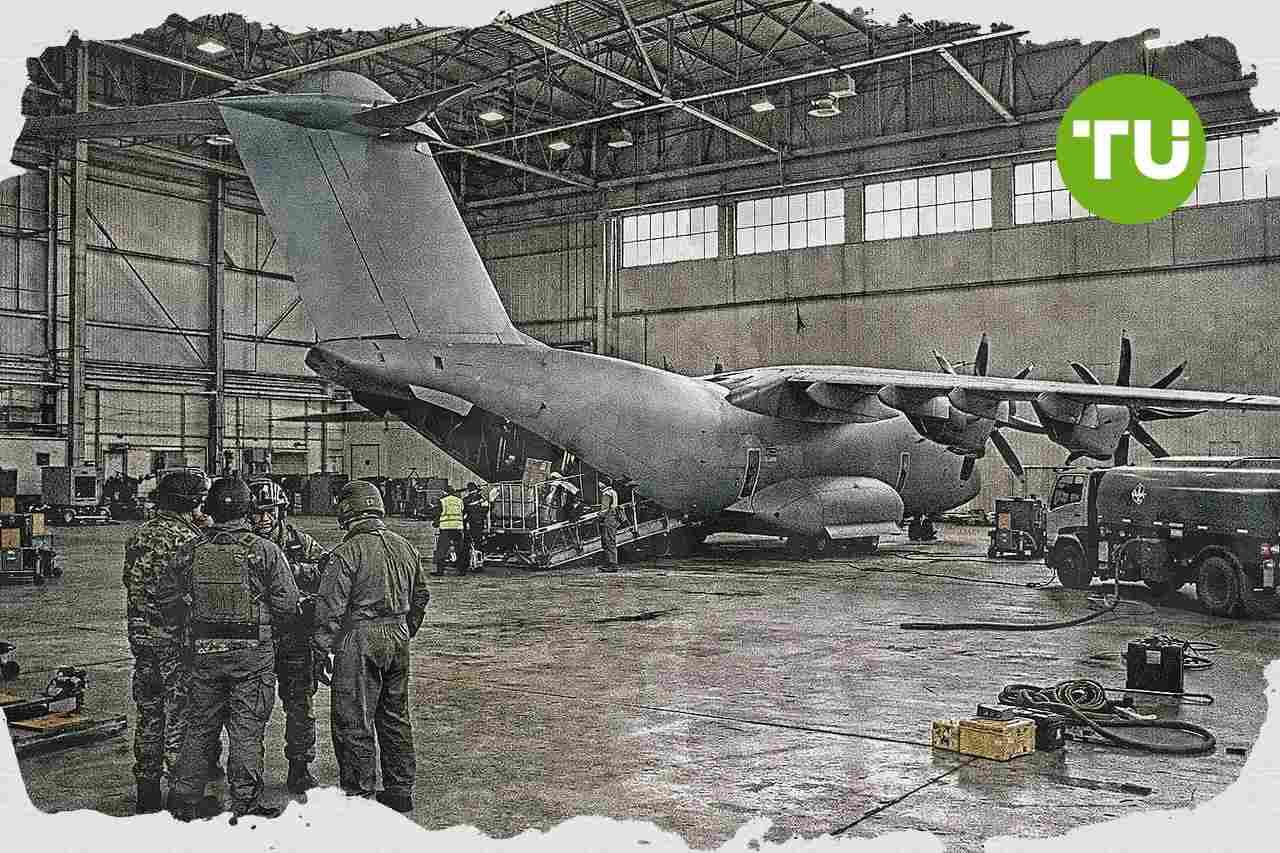
Nato leaders gather in Ankara trying to reinforce the alliance at a time of acute security uncertainty and rising pressure on Europe to shoulder more of its own defence burden. The meeting instead highlights fresh concerns over cohesion as Donald Trump mixes attacks on allies with selective reassurance on U.S. backing for Ukraine and the alliance itself.
Highlights
- Trump's public criticism of European Nato allies over support for his Iran policy and revived demand for Greenland amplify alliance anxiety and risk trade tensions with Spain.
- European Nato countries advance defence independence by launching joint surveillance and transport aircraft procurement and Germany agreeing to buy U.S. Tomahawk missiles.
- Turkey stands to benefit most in the short term, as Trump signals possible reversal of the F-35 jet ban and 2020 sanctions, boosting Erdogan diplomatically.
Ankara summit tests alliance cohesion
As reported by Financial Times, the summit opens with European leaders seeking to avoid a public clash with Washington and keep attention on reshaping Nato for 21st-century warfare. That effort is disrupted as Trump criticises European allies over their lack of support for his war in Iran, threatens trade retaliation against Spain and revives his demand that Greenland become part of the U.S.His remarks deepen anxiety inside the alliance because they come as Nato is trying to present unity in the face of pressure from Russia and wider geopolitical instability. Denmark pushes back firmly on Greenland, while Spain remains under scrutiny for lagging behind the alliance target of spending 5% of GDP on defence and resilience by 2035.
A later shift in tone offers some relief for European governments. Trump is said to be more conciliatory in private, signals readiness to let Kyiv co-produce Patriot interceptor missiles and says the U.S. will remain in Nato, a reassurance that officials no longer treat as automatic.
European defence push gains momentum
Nato officials also take encouragement from steps that suggest Europe is assuming a larger share of the defence burden. Joint purchases of surveillance and transport aircraft are presented as progress toward reducing dependence on U.S. equipment, while Germany's plan to buy Tomahawk missiles from the U.S. adds to the emerging procurement drive.Even so, the wider message from the summit remains uncertain because allies see Trump's positions as subject to sudden reversal. European governments avoid open confrontation and continue to manage relations carefully, calculating that keeping him engaged is preferable to risking a deeper rupture.
Turkey appears to emerge as the clearest short-term beneficiary from the meeting. Trump indicates he may reverse his 2019 ban on Turkish purchases of F-35 fighter jets and lift sanctions imposed in 2020, giving President Recep Tayyip Erdogan a diplomatic gain even as European leaders leave knowing their longer-term effort to remake the alliance is only beginning.
In our earlier article on the UK political shake-up around the Nato summit in Turkey, we outlined how Nigel Farage’s decision to force a by-election drew scrutiny over Reform’s strategy, while Andy Burnham secured decisive backing to lead Labour as the post-Starmer era takes shape. We also noted that Starmer used the Turkey summit to frame his legacy, linking fast-moving domestic politics with an increasingly fraught alliance backdrop.









-
 Afghanistan
-
 Albania
-
 Algeria
-
 Angola
-
 Argentina
-
 Armenia
-
 Australia
-
 Austria
-
 Azerbaijan
-
 Bahamas
-
 Bahrain
-
 Bangladesh
-
 Belarus
-
 Belgium
-
 Bolivia
-
 Botswana
-
 Brazil
-
 Brunei
-
 Bulgaria
-
 Cambodia
-
 Cameroon
-
 Canada
-
 Chile
Chile
-
 China
China
-
 Colombia
-
 Congo
Congo
-
 Costa Rica
-
 Cote d'Ivoire
-
 Croatia
-
 Cuba
Cuba
-
 Cyprus
-
 Czechia
-
 DR Congo
-
 Denmark
-
 Dominican Republic
-
 Ecuador
-
 Egypt
Egypt
-
 El Salvador
-
 Estonia
-
 Eswatini
-
 Ethiopia
-
 Finland
-
 France
-
 Georgia
-
 Germany
-
 Ghana
Ghana
-
 Greece
-
 Haiti
Haiti
-
 Hong Kong
-
 Hungary
-
 India
India
-
 Indonesia
-
 Iran, Islamic republic
-
 Iraq
Iraq
-
 Ireland
-
 Israel
-
 Italy
Italy
-
 Jamaica
-
 Japan
Japan
-
 Jordan
-
 Kazakhstan
-
 Kenya
Kenya
-
 Korea
Korea
-
 Kuwait
-
 Kyrgyzstan
-
 Laos
Laos
-
 Latvia
-
 Lebanon
-
 Lesotho
-
 Libya
Libya
-
 Lithuania
-
 Luxembourg
-
 Madagascar
-
 Malaysia
-
 Malta
Malta
-
 Mauritius
-
 Mexico
-
 Moldova
-
 Mongolia
-
 Montenegro
-
 Morocco
-
 Mozambique
-
 Myanmar
-
 Namibia
-
 Nepal
Nepal
-
 Netherlands
-
 New Zealand
-
 Nigeria
-
 North Macedonia
-
 Norway
-
 Oman
Oman
-
 Pakistan
-
 Palestine
-
 Panama
-
 Papua New Guinea
-
 Paraguay
-
 Peru
Peru
-
 Philippines
-
 Poland
-
 Portugal
-
 Puerto Rico
-
 Qatar
Qatar
-
 Reunion
-
 Romania
-
 Rwanda
-
 Saudi Arabia
-
 Serbia
-
 Singapore
-
 Slovakia
-
 Slovenia
-
 Somalia
-
 South Africa
-
 Spain
Spain
-
 Sri Lanka
-
 Sweden
-
 Switzerland
-
 Syria
Syria
-
 Taiwan
-
 Tajikistan
-
 Tanzania
-
 Thailand
-
 Trinidad and Tobago
-
 Tunisia
-
 Turkey
-
 UAE
UAE
-
 Uganda
-
 Ukraine
-
 United Kingdom
-
United States
-
 Uruguay
-
 Uzbekistan
-
 Venezuela
-
 Vietnam
-
 Yemen
Yemen
-
 Zambia
-
 Zimbabwe
- Forex
- Crypto











