
U.S. Energy Department backs Bakken oil recovery project with $36 million
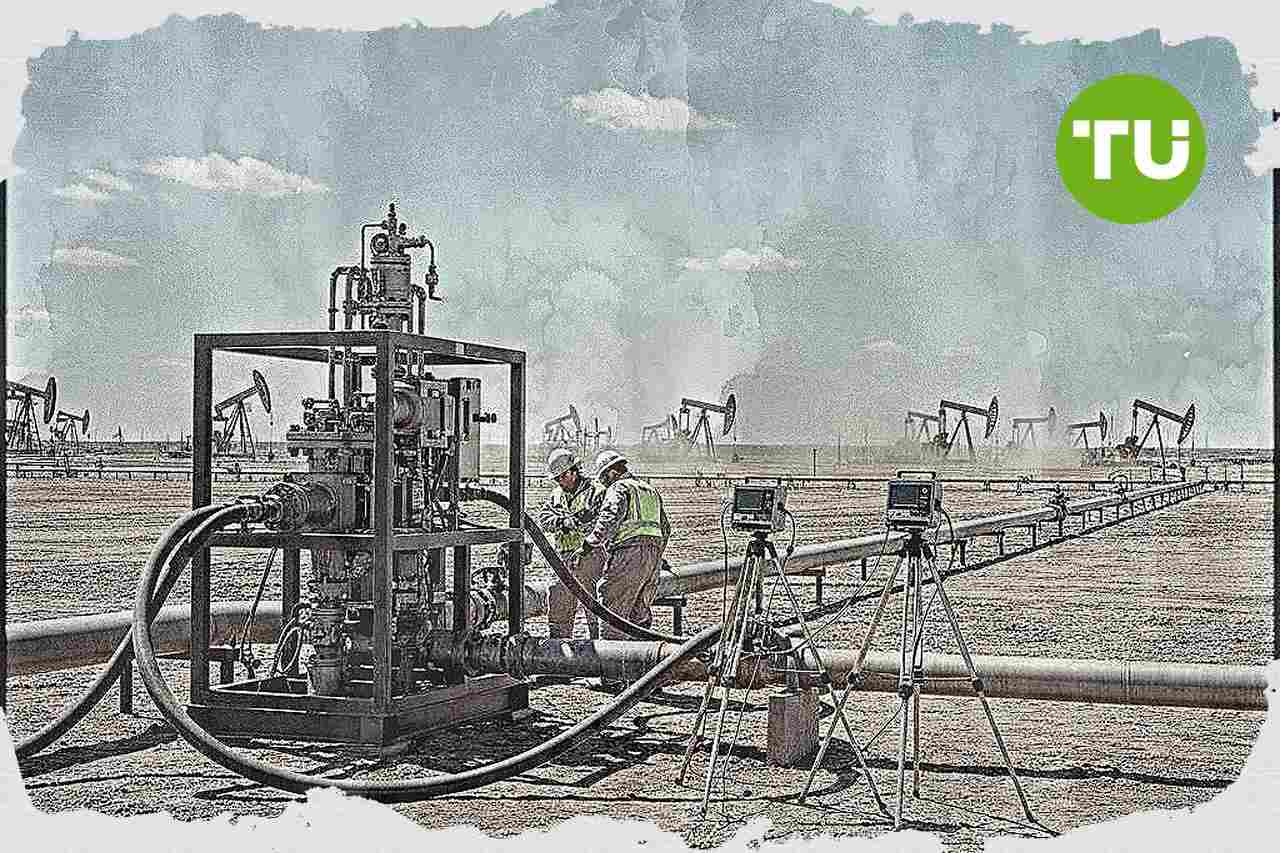
Federal energy officials are funding a new North Dakota project aimed at raising oil output from the Bakken shale formation through carbon dioxide-based enhanced recovery. The program centers on the University of North Dakota’s Energy & Environmental Research Center and is designed to support larger-scale commercial deployment using laboratory work, field activity, modeling and artificial intelligence.
Highlights
- U.S. Department of Energy awards $36 million to University of North Dakota’s Bakken Enhanced Oil Recovery program, with an additional $9 million in cost sharing for one pilot project.
- State and private funding of about $100 million supports five other Bakken pilot projects, focusing on commercializing CO2-based enhanced oil recovery in North Dakota’s shale formation.
- DOE reports the program could unlock billions of barrels in additional oil reserves and leverages AI tools to establish best practices for widescale enhanced recovery deployment.
Bakken project funding and deployment plan
As announced by the U.S. Department of Energy, the agency’s Hydrocarbons and Geothermal Energy Office selects the University of North Dakota’s Energy & Environmental Research Center for $36 million in federal funding under the Bakken Enhanced Oil Recovery, Cracking the Code program. The initiative is intended to generate technical data and operating insight that help commercialize carbon dioxide-based enhanced oil recovery in the Bakken shale formation.The department says the program combines laboratory research, modeling, AI and field-based work to evaluate how enhanced oil recovery can be deployed more efficiently at scale. DOE Assistant Secretary for the Hydrocarbons and Geothermal Energy Office Kyle Haustveit says the effort builds on North Dakota’s energy innovation base and is meant to create a clearer path for broader commercial use of enhanced recovery technologies.
Bakken EOR-CC includes DOE’s $36 million investment and $9 million in cost sharing from the University of North Dakota’s Energy & Environmental Research Center and project partners for one of six pilot projects. State and private funding provides about $100 million for the other five pilot projects.
North Dakota energy impact and industry implications
The Bakken remains a major unconventional tight oil play in North Dakota, where typical recovery from shale formations is about 10% of the oil in place, according to the department. DOE says the program could help unlock billions of additional barrels of oil and extend the operating life of the state’s coal-fired power plants by using captured carbon dioxide for enhanced recovery.The broader program draws on six pilot projects that test different injection strategies, reservoir conditions and operating approaches. DOE says advanced AI and machine-learning tools are used to compare results across the pilots, identify best practices and establish a technical foundation for future commercial-scale deployment across the Bakken.
Our earlier coverage of WTI crude oil volatility highlighted how prices were swinging sharply on headlines tied to Iran and the Strait of Hormuz, with a sizable geopolitical risk premium overshadowing fundamentals. The piece also noted that unexpected draws in U.S. crude inventories provided additional support, while OPEC+ uncertainty and Middle East supply risks kept the market on edge. It concluded that any escalation could quickly lift WTI above $100, whereas sustained de-escalation could unwind the premium and trigger a downside correction.








-
 Afghanistan
-
 Albania
-
 Algeria
-
 Angola
-
 Argentina
-
 Armenia
-
 Australia
-
 Austria
-
 Azerbaijan
-
 Bahamas
-
 Bahrain
-
 Bangladesh
-
 Belarus
-
 Belgium
-
 Bolivia
-
 Botswana
-
 Brazil
-
 Brunei
-
 Bulgaria
-
 Cambodia
-
 Cameroon
-
 Canada
-
 Chile
Chile
-
 China
China
-
 Colombia
-
 Congo
Congo
-
 Costa Rica
-
 Cote d'Ivoire
-
 Croatia
-
 Cuba
Cuba
-
 Cyprus
-
 Czechia
-
 DR Congo
-
 Denmark
-
 Dominican Republic
-
 Ecuador
-
 Egypt
Egypt
-
 El Salvador
-
 Estonia
-
 Eswatini
-
 Ethiopia
-
 Finland
-
 France
-
 Georgia
-
 Germany
-
 Ghana
Ghana
-
 Greece
-
 Haiti
Haiti
-
 Hong Kong
-
 Hungary
-
 India
India
-
 Indonesia
-
 Iran, Islamic republic
-
 Iraq
Iraq
-
 Ireland
-
 Israel
-
 Italy
Italy
-
 Jamaica
-
 Japan
Japan
-
 Jordan
-
 Kazakhstan
-
 Kenya
Kenya
-
 Korea
Korea
-
 Kuwait
-
 Kyrgyzstan
-
 Laos
Laos
-
 Latvia
-
 Lebanon
-
 Lesotho
-
 Libya
Libya
-
 Lithuania
-
 Luxembourg
-
 Madagascar
-
 Malaysia
-
 Malta
Malta
-
 Mauritius
-
 Mexico
-
 Moldova
-
 Mongolia
-
 Montenegro
-
 Morocco
-
 Mozambique
-
 Myanmar
-
 Namibia
-
 Nepal
Nepal
-
 Netherlands
-
 New Zealand
-
 Nigeria
-
 North Macedonia
-
 Norway
-
 Oman
Oman
-
 Pakistan
-
 Palestine
-
 Panama
-
 Papua New Guinea
-
 Paraguay
-
 Peru
Peru
-
 Philippines
-
 Poland
-
 Portugal
-
 Puerto Rico
-
 Qatar
Qatar
-
 Reunion
-
 Romania
-
 Rwanda
-
 Saudi Arabia
-
 Serbia
-
 Singapore
-
 Slovakia
-
 Slovenia
-
 Somalia
-
 South Africa
-
 Spain
Spain
-
 Sri Lanka
-
 Sweden
-
 Switzerland
-
 Syria
Syria
-
 Taiwan
-
 Tajikistan
-
 Tanzania
-
 Thailand
-
 Trinidad and Tobago
-
 Tunisia
-
 Turkey
-
 UAE
UAE
-
 Uganda
-
 Ukraine
-
 United Kingdom
-
United States
-
 Uruguay
-
 Uzbekistan
-
 Venezuela
-
 Vietnam
-
 Yemen
Yemen
-
 Zambia
-
 Zimbabwe
- Forex
- Crypto











