
NextEra pursues Dominion merger to expand regulated power scale amid AI-driven demand
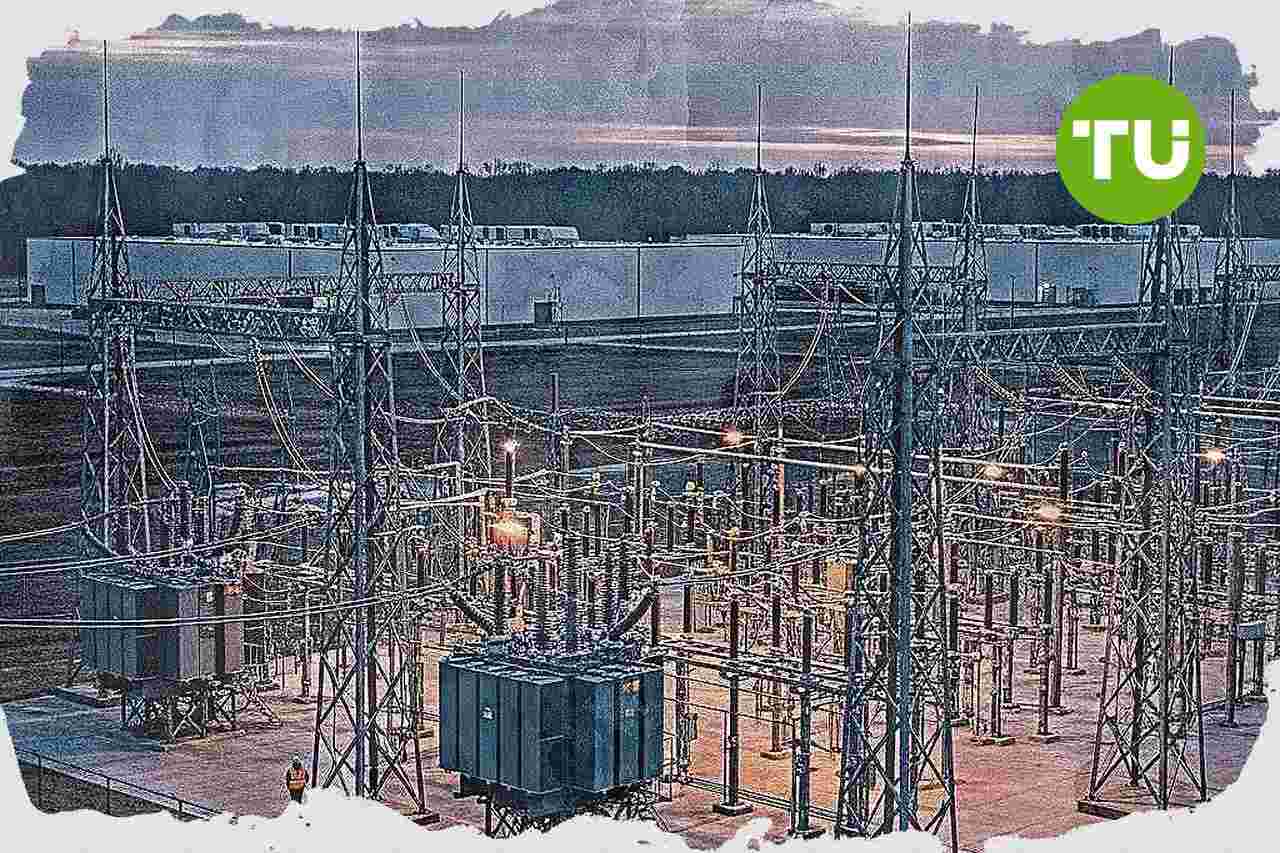
Rising electricity needs from AI data centres are reshaping utility deal logic as power companies seek more scale for grid investment. NextEra’s agreed all-share merger with Dominion values the target at a notional enterprise value of $125 billion and would leave Dominion investors with a quarter of the combined group.
Highlights
- NextEra's all-share merger with Dominion, valuing Dominion at $125 billion, aims to scale regulated utility operations amid rising AI-driven power demand.
- The proposed company's $420 billion enterprise value is intended to improve financing terms for significant capital expenditures, though regulated market structures limit traditional merger synergies.
- NextEra shares fell 5% post-announcement as regulatory approval and $2 billion in customer bill credits add complexity, with rising U.S. electricity prices heightening scrutiny.
Merger rationale centres on scale and AI load growth
As reported by Financial Times, NextEra is positioning the Dominion transaction as a way to build a larger regulated utility platform at a time when AI infrastructure is lifting expectations for power demand growth. The deal follows a broader shift in the sector, where utilities and generators are trying to capture the effects of expanding data-centre electricity consumption after years in which U.S. power use remains broadly flat.Dominion, the main electricity utility in Virginia, serves a region around Washington known for heavy data-centre concentration. NextEra agreed to an all-share merger that gives Dominion a notional enterprise value of $125 billion, although the strategic overlap between the two groups appears limited and the usual merger argument of creating new profit streams is less obvious in a heavily regulated industry.
NextEra says a combined company with a $420 billion enterprise value can secure better terms for the tens of billions of dollars in capital spending needed to modernise power generation, transmission and related infrastructure. In regulated electricity markets, however, customer rates are set by state commissions that aim to deliver a specified return on equity to monopoly utility operators, limiting the scope for traditional merger synergies.
Valuation gap and regulatory approval shape the outlook
Another part of the rationale appears to be Dominion’s weaker market standing relative to NextEra. Dominion has been a disappointing investment and trades at 16 times estimated 2027 earnings, according to S&P Capital IQ, while NextEra, which owns Florida Power & Light and a separate renewables generation business, trades at 21 times.Investor reaction to the proposed combination is cautious, with NextEra shares falling 5% on Monday. The companies also still need approval from NextEra shareholders and Virginia regulators, and they have already offered more than $2 billion in customer bill credits, a concession often used in utility mergers that depend on local regulatory sign-off.
The broader policy backdrop could complicate the case. U.S. electricity prices have risen sharply in recent years, and keeping bills under control remains a national priority, even as utilities face pressure to serve large data centres and upgrade ageing power and transmission networks. That tension suggests the combined company could face a tougher debate over how to finance expansion while protecting customers.
Our earlier coverage of NextEra Energy’s proposed all-stock acquisition of Dominion Energy explained how the deal fits into accelerating U.S. utility consolidation tied to AI-driven data-center load growth. We noted that Dominion’s Virginia footprint and contracted data-center capacity would expand NextEra’s reach into the PJM Interconnection region, while adding Dominion’s sizable debt load to the combined balance sheet.




Latest NextEra News








-
 Afghanistan
-
 Albania
-
 Algeria
-
 Angola
-
 Argentina
-
 Armenia
-
 Australia
-
 Austria
-
 Azerbaijan
-
 Bahamas
-
 Bahrain
-
 Bangladesh
-
 Belarus
-
 Belgium
-
 Bolivia
-
 Botswana
-
 Brazil
-
 Brunei
-
 Bulgaria
-
 Cambodia
-
 Cameroon
-
 Canada
-
 Chile
Chile
-
 China
China
-
 Colombia
-
 Congo
Congo
-
 Costa Rica
-
 Cote d'Ivoire
-
 Croatia
-
 Cuba
Cuba
-
 Cyprus
-
 Czechia
-
 DR Congo
-
 Denmark
-
 Dominican Republic
-
 Ecuador
-
 Egypt
Egypt
-
 El Salvador
-
 Estonia
-
 Eswatini
-
 Ethiopia
-
 Finland
-
 France
-
 Georgia
-
 Germany
-
 Ghana
Ghana
-
 Greece
-
 Haiti
Haiti
-
 Hong Kong
-
 Hungary
-
 India
India
-
 Indonesia
-
 Iran, Islamic republic
-
 Iraq
Iraq
-
 Ireland
-
 Israel
-
 Italy
Italy
-
 Jamaica
-
 Japan
Japan
-
 Jordan
-
 Kazakhstan
-
 Kenya
Kenya
-
 Korea
Korea
-
 Kuwait
-
 Kyrgyzstan
-
 Laos
Laos
-
 Latvia
-
 Lebanon
-
 Lesotho
-
 Libya
Libya
-
 Lithuania
-
 Luxembourg
-
 Madagascar
-
 Malaysia
-
 Malta
Malta
-
 Mauritius
-
 Mexico
-
 Moldova
-
 Mongolia
-
 Montenegro
-
 Morocco
-
 Mozambique
-
 Myanmar
-
 Namibia
-
 Nepal
Nepal
-
 Netherlands
-
 New Zealand
-
 Nigeria
-
 North Macedonia
-
 Norway
-
 Oman
Oman
-
 Pakistan
-
 Palestine
-
 Panama
-
 Papua New Guinea
-
 Paraguay
-
 Peru
Peru
-
 Philippines
-
 Poland
-
 Portugal
-
 Puerto Rico
-
 Qatar
Qatar
-
 Reunion
-
 Romania
-
 Rwanda
-
 Saudi Arabia
-
 Serbia
-
 Singapore
-
 Slovakia
-
 Slovenia
-
 Somalia
-
 South Africa
-
 Spain
Spain
-
 Sri Lanka
-
 Sweden
-
 Switzerland
-
 Syria
Syria
-
 Taiwan
-
 Tajikistan
-
 Tanzania
-
 Thailand
-
 Trinidad and Tobago
-
 Tunisia
-
 Turkey
-
 UAE
UAE
-
 Uganda
-
 Ukraine
-
 United Kingdom
-
United States
-
 Uruguay
-
 Uzbekistan
-
 Venezuela
-
 Vietnam
-
 Yemen
Yemen
-
 Zambia
-
 Zimbabwe
- Forex
- Crypto












