
UK grocers face renewed price cap debate over food inflation risks
Britain's supermarket sector is again at the center of the country's cost-of-living debate as policymakers weigh ways to limit potential food price increases. The discussion comes six years after grocers were praised for maintaining supplies during the Covid-19 outbreak, highlighting a sharp shift in political and public pressure on the industry.
Highlights
- UK Treasury has considered capping supermarket prices for essentials like eggs, milk, and bread due to potential Middle East-related food inflation.
- Chancellor Rachel Reeves appears to retreat from price cap proposals amid strong resistance from grocery retailers concerned about market distortions and operational pressures.
- Policy uncertainty over price controls increases sector risk for UK grocers as they contend with inflation, public expectations, and political scrutiny.
Government pricing proposal meets retailer resistance
As reported by Bloomberg, the Treasury has been considering whether supermarkets should agree to cap the prices charged on essential items such as eggs, milk and bread. The idea emerges as officials assess possible pressure on food costs linked to the war in the Middle East.Rachel Reeves, the Chancellor of the Exchequer, now appears to be retreating from the proposal after anger from grocery retailers. The response from the sector suggests concern that price controls would distort normal market pricing and add pressure to already tight operating conditions.
Food sector implications for the UK market
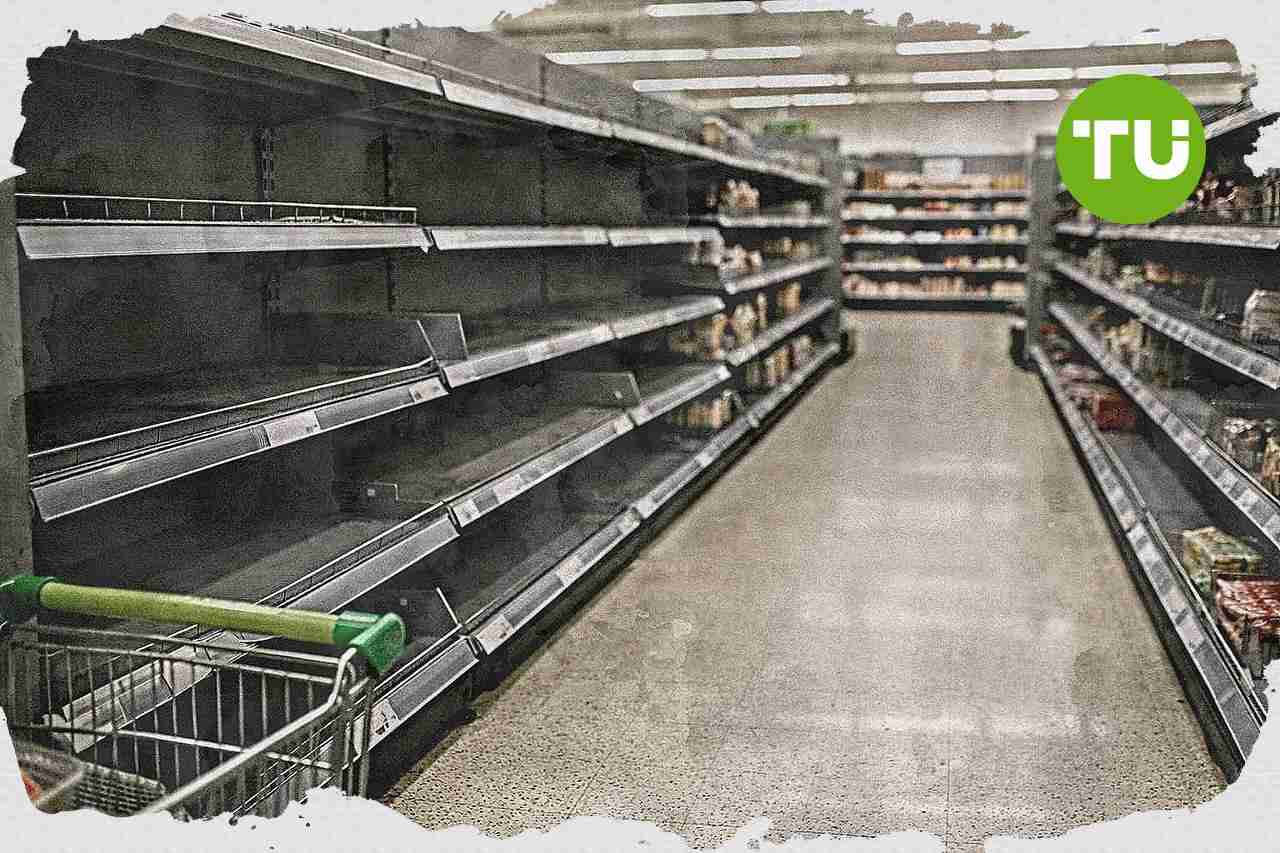
The debate marks a notable reversal in how supermarkets are viewed in the UK economy. During spring 2020, when the Covid-19 outbreak disrupted daily life and products such as toilet paper and pasta were in short supply, grocers were seen as critical to keeping the country stocked and fed.The latest discussion shows how quickly food retailers can move from being treated as essential stabilizers to becoming targets for intervention when inflation risks rise. For the grocery sector, the policy uncertainty adds another layer of risk as businesses manage public expectations, political scrutiny and volatile input costs.
In our earlier report on the UK Treasury’s proposal for voluntary supermarket price caps on essentials like eggs, milk and bread, we explained how officials were weighing intervention as a response to renewed inflation risks. We also noted that Chancellor Rachel Reeves appeared to retreat from the idea after strong pushback from major grocers, underscoring how quickly the sector has shifted from being praised for supply stability in 2020 to facing political pressure over staple prices.



Latest Carrefour News






-
 Afghanistan
-
 Albania
-
 Algeria
-
 Angola
-
 Argentina
-
 Armenia
-
 Australia
-
 Austria
-
 Azerbaijan
-
 Bahamas
-
 Bahrain
-
 Bangladesh
-
 Belarus
-
 Belgium
-
 Bolivia
-
 Botswana
-
 Brazil
-
 Brunei
-
 Bulgaria
-
 Cambodia
-
 Cameroon
-
 Canada
-
 Chile
Chile
-
 China
China
-
 Colombia
-
 Congo
Congo
-
 Costa Rica
-
 Cote d'Ivoire
-
 Croatia
-
 Cuba
Cuba
-
 Cyprus
-
 Czechia
-
 DR Congo
-
 Denmark
-
 Dominican Republic
-
 Ecuador
-
 Egypt
Egypt
-
 El Salvador
-
 Estonia
-
 Eswatini
-
 Ethiopia
-
 Finland
-
 France
-
 Georgia
-
 Germany
-
 Ghana
Ghana
-
 Greece
-
 Haiti
Haiti
-
 Hong Kong
-
 Hungary
-
 India
India
-
 Indonesia
-
 Iran, Islamic republic
-
 Iraq
Iraq
-
 Ireland
-
 Israel
-
 Italy
Italy
-
 Jamaica
-
 Japan
Japan
-
 Jordan
-
 Kazakhstan
-
 Kenya
Kenya
-
 Korea
Korea
-
 Kuwait
-
 Kyrgyzstan
-
 Laos
Laos
-
 Latvia
-
 Lebanon
-
 Lesotho
-
 Libya
Libya
-
 Lithuania
-
 Luxembourg
-
 Madagascar
-
 Malaysia
-
 Malta
Malta
-
 Mauritius
-
 Mexico
-
 Moldova
-
 Mongolia
-
 Montenegro
-
 Morocco
-
 Mozambique
-
 Myanmar
-
 Namibia
-
 Nepal
Nepal
-
 Netherlands
-
 New Zealand
-
 Nigeria
-
 North Macedonia
-
 Norway
-
 Oman
Oman
-
 Pakistan
-
 Palestine
-
 Panama
-
 Papua New Guinea
-
 Paraguay
-
 Peru
Peru
-
 Philippines
-
 Poland
-
 Portugal
-
 Puerto Rico
-
 Qatar
Qatar
-
 Reunion
-
 Romania
-
 Rwanda
-
 Saudi Arabia
-
 Serbia
-
 Singapore
-
 Slovakia
-
 Slovenia
-
 Somalia
-
 South Africa
-
 Spain
Spain
-
 Sri Lanka
-
 Sweden
-
 Switzerland
-
 Syria
Syria
-
 Taiwan
-
 Tajikistan
-
 Tanzania
-
 Thailand
-
 Trinidad and Tobago
-
 Tunisia
-
 Turkey
-
 UAE
UAE
-
 Uganda
-
 Ukraine
-
 United Kingdom
-
United States
-
 Uruguay
-
 Uzbekistan
-
 Venezuela
-
 Vietnam
-
 Yemen
Yemen
-
 Zambia
-
 Zimbabwe
- Forex
- Crypto











