UK-Gulf trade pact removes tariffs and expands investment outlook

A newly announced free trade agreement between the UK and the Gulf Cooperation Council is being presented as a major step for cross-border commerce at a time of regional instability. Bahrain's industry and commerce minister says the pact supports trade, investment and industrial cooperation as the bloc seeks to reassure investors during the U.S.-Iran war.
Highlights
- UK-GCC trade agreement will remove £580 million in annual duties, with £360 million eliminated on day one and phased tariff removals on products like EVs.
- Immediate removal of Gulf tariffs affects UK exports of cars, turbojets, aerospace parts, and foods, enhancing trade in sectors such as fintech, services, advanced manufacturing, and petrochemicals.
- The UK government projects the deal could boost the UK economy by £3.7 billion a year long term, despite ongoing regional disruption from the U.S.-Iran war.
Agreement terms and official outlook
As reported by the UK Department for Business and Trade, the agreement is expected to remove an estimated £580 million in duties a year based on current UK exports to the GCC once it is fully implemented. Of that total, £360 million is due to be removed on the first day the agreement enters into force.The UK says some Gulf tariffs on imports including cars, turbojets, aerospace parts and food products such as cheddar cheese and chocolate are removed immediately. Other tariffs, including those on EVs, are due to be phased out after agreed five- or 10-year periods.
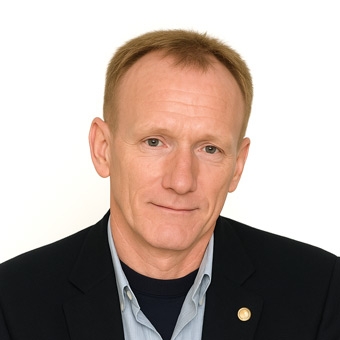
Bahrain's Minister of Industry and Commerce Abdulla bin Adel Fakhro calls the deal a monumental achievement and says it is a win-win for both the UK and the Gulf states. He says the scale of bilateral trade and investment is already large and expects cooperation to grow further, particularly in fintech, services, advanced manufacturing and petrochemicals.
Regional resilience and economic impact
The agreement arrives as the GCC faces disruption from the U.S.-Iran war, which is creating turbulence for the region's oil and gas industries, exports and wider economies. Gulf officials are emphasizing that the bloc remains open for business as they try to limit any deterrent effect on foreign investment.Fakhro says the GCC response to Iranian attacks is restrained and focused on stability, continued economic growth and stronger integration. He adds that the bloc is now more united and concentrated on strengthening industrial manufacturing and supply chains.
The GCC, made up of Bahrain, Kuwait, Oman, Qatar, Saudi Arabia and the United Arab Emirates, has a combined GDP of more than $2 trillion and a population above 57 million. The UK government describes the pact as a historic agreement that could raise the UK economy by an estimated £3.7 billion a year over the long term, while Prime Minister Keir Starmer says it supports jobs, wages and future trade and investment opportunities.
In our earlier report on the UK government’s cost-of-living relief package, we covered plans to ease household pressure through measures such as free local bus travel for children in England and proposed tariff cuts on more than 100 food products. We noted the government expected the tariff changes to deliver consumer savings, alongside other steps to lower transport and everyday costs as it sought to rebuild political momentum.








-
 Afghanistan
-
 Albania
-
 Algeria
-
 Angola
-
 Argentina
-
 Armenia
-
 Australia
-
 Austria
-
 Azerbaijan
-
 Bahamas
-
 Bahrain
-
 Bangladesh
-
 Belarus
-
 Belgium
-
 Bolivia
-
 Botswana
-
 Brazil
-
 Brunei
-
 Bulgaria
-
 Cambodia
-
 Cameroon
-
 Canada
-
 Chile
Chile
-
 China
China
-
 Colombia
-
 Congo
Congo
-
 Costa Rica
-
 Cote d'Ivoire
-
 Croatia
-
 Cuba
Cuba
-
 Cyprus
-
 Czechia
-
 DR Congo
-
 Denmark
-
 Dominican Republic
-
 Ecuador
-
 Egypt
Egypt
-
 El Salvador
-
 Estonia
-
 Eswatini
-
 Ethiopia
-
 Finland
-
 France
-
 Georgia
-
 Germany
-
 Ghana
Ghana
-
 Greece
-
 Haiti
Haiti
-
 Hong Kong
-
 Hungary
-
 India
India
-
 Indonesia
-
 Iran, Islamic republic
-
 Iraq
Iraq
-
 Ireland
-
 Israel
-
 Italy
Italy
-
 Jamaica
-
 Japan
Japan
-
 Jordan
-
 Kazakhstan
-
 Kenya
Kenya
-
 Korea
Korea
-
 Kuwait
-
 Kyrgyzstan
-
 Laos
Laos
-
 Latvia
-
 Lebanon
-
 Lesotho
-
 Libya
Libya
-
 Lithuania
-
 Luxembourg
-
 Madagascar
-
 Malaysia
-
 Malta
Malta
-
 Mauritius
-
 Mexico
-
 Moldova
-
 Mongolia
-
 Montenegro
-
 Morocco
-
 Mozambique
-
 Myanmar
-
 Namibia
-
 Nepal
Nepal
-
 Netherlands
-
 New Zealand
-
 Nigeria
-
 North Macedonia
-
 Norway
-
 Oman
Oman
-
 Pakistan
-
 Palestine
-
 Panama
-
 Papua New Guinea
-
 Paraguay
-
 Peru
Peru
-
 Philippines
-
 Poland
-
 Portugal
-
 Puerto Rico
-
 Qatar
Qatar
-
 Reunion
-
 Romania
-
 Rwanda
-
 Saudi Arabia
-
 Serbia
-
 Singapore
-
 Slovakia
-
 Slovenia
-
 Somalia
-
 South Africa
-
 Spain
Spain
-
 Sri Lanka
-
 Sweden
-
 Switzerland
-
 Syria
Syria
-
 Taiwan
-
 Tajikistan
-
 Tanzania
-
 Thailand
-
 Trinidad and Tobago
-
 Tunisia
-
 Turkey
-
 UAE
UAE
-
 Uganda
-
 Ukraine
-
 United Kingdom
-
United States
-
 Uruguay
-
 Uzbekistan
-
 Venezuela
-
 Vietnam
-
 Yemen
Yemen
-
 Zambia
-
 Zimbabwe
- Forex
- Crypto











