
Singapore reinforces energy hub role as Middle East war strains Asia oil flows
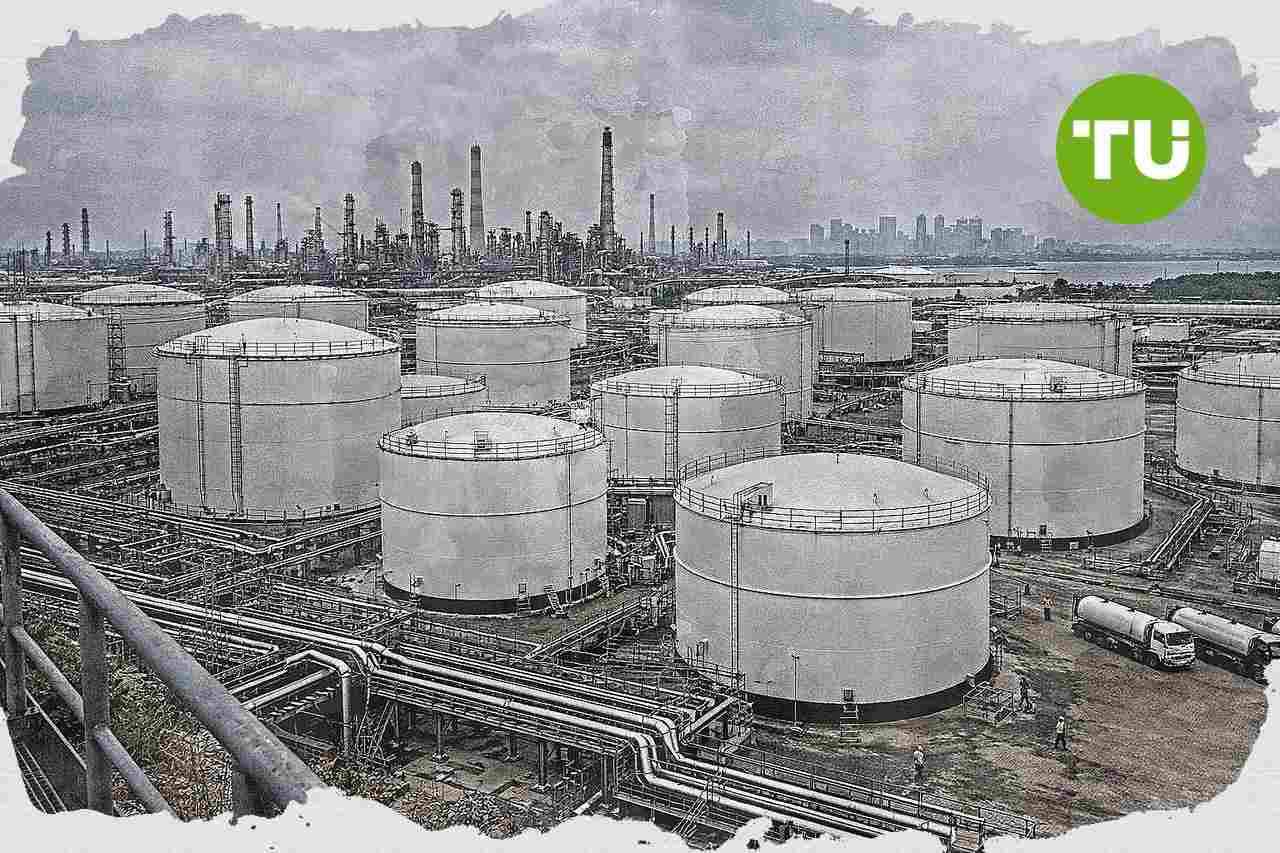
As the Middle East war disrupts fuel supplies, Singapore is under growing pressure to keep oil and refined products moving across Asia despite having no domestic oil or gas production. The city-state’s storage, refining and trading network makes it a critical conduit for regional energy cargoes, but a prolonged closure of the Strait of Hormuz threatens to intensify supply risks.
Highlights
- Singapore, handling about a fifth of global energy trade, faces increased pressure as Middle East war disrupts crude flows and threatens supply chains.
- Refineries and trading houses like ExxonMobil, Chevron, Glencore, Gunvor, Trafigura, and Vitol use storage buffers and alternate sources, but analysts warn that sustained Gulf disruptions could deplete supply and trigger more force majeure notices.
- In 2023, the Port of Singapore sold a record 57 million tonnes of marine fuel, yet rising ship diversions and persistent shortages risk straining bunker reserves, prompting government calls for diversification and strategic cooperation agreements.
Energy trading network faces supply pressure
As reported by Financial Times, Singapore is feeling the strain after three months of war in the Middle East, as traders, refiners and lenders in the city-state work to manage shortages, fulfil contracts and keep physical cargoes moving across Asia. Market participants say the pressure could deepen if the Strait of Hormuz is not fully reopened for exports, raising the risk of another surge in oil prices.Singapore’s role in Asian energy trading rests on its position near the Strait of Malacca and on a long-built system of ports, refineries and storage assets. Government figures cited in the report show the city-state handles about a fifth of global energy trade and ranks as the world’s third-largest trading market after New York and London.
Jurong Island is one of the world’s biggest refining centres, housing more than 100 petroleum and chemical companies, including ExxonMobil and Chevron. Analysts say Singapore’s refineries are showing short-term resilience by switching crude sources and drawing on storage buffers, though that flexibility becomes harder to sustain if disruptions in the Gulf continue.
Trading houses such as Glencore, Gunvor, Trafigura and Vitol also run major operations in Singapore, supported by banks that provide commodities finance, lending and hedging tools. While price volatility is benefiting some traders, executives warn that prolonged shortages could lead to deeper supply depletion, more force majeure notices and legal disputes between counterparties as losses mount.
Government agreements and bunker risks shape regional impact
Singapore’s government is trying to prevent storage tanks at Jurong from being drained as supply constraints from the Middle East persist. In May, Singapore and New Zealand signed what they described as the world’s first bilateral supply chain agreement, committing both countries not to restrict trade in essential goods, including fuel, and to keep air and sea routes open for energy shipments.The deal follows April discussions between Prime Minister Lawrence Wong and Australian Prime Minister Anthony Albanese on supporting each other’s energy security needs. Singapore is a major supplier of refined petroleum products to Australia, while Australia is one of Singapore’s largest sources of liquefied natural gas.
The Port of Singapore remains the world’s largest ship refuelling hub, after selling a record 57 million tonnes of marine fuel last year. But analysts warn that as more ships divert to Singapore for bunkering and safer surrounding waters, especially from Fujairah in the United Arab Emirates, the city-state’s maritime fuel reserves could come under heavier strain.
Those bunker stocks are closely watched as an indicator of global trade vulnerability, and traders have so far partly offset lost Middle Eastern cargoes with Russian oil. Deputy Prime Minister Gan Kim Yong says Singapore must diversify fuel sources, strengthen buffers and plan ahead for further disruption if it is to preserve its role as a reliable energy hub for Asia.
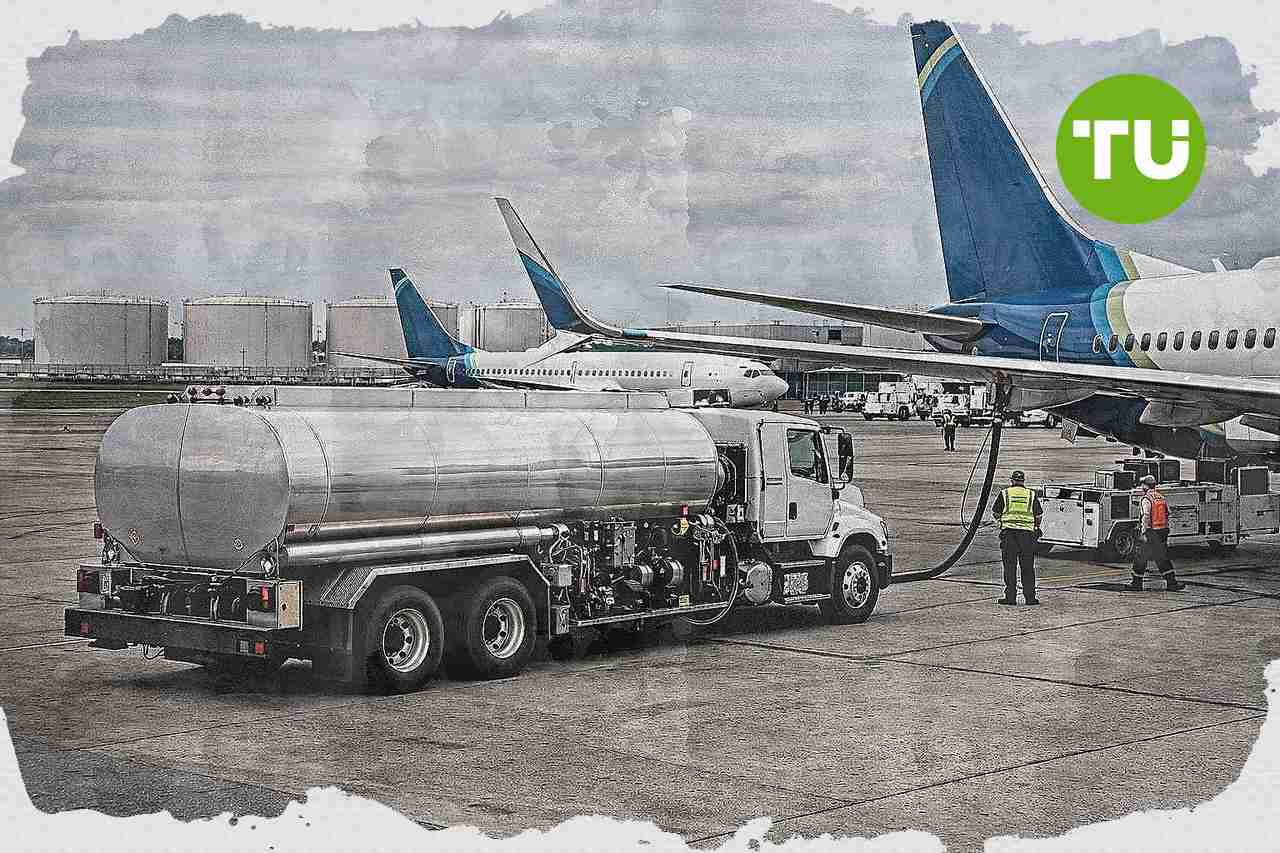
In our earlier article on the rising household energy burden in the U.S. since the U.S.-Iran war began, we detailed estimates showing Americans have paid about $447 more per household in fuel-related costs as gasoline, diesel and jet fuel prices climbed. We also noted how the jump in energy expenses has squeezed savings and pushed more consumers toward debt, raising concerns that prolonged high prices could further weaken spending power.



Latest Singapore News





-
 Afghanistan
-
 Albania
-
 Algeria
-
 Angola
-
 Argentina
-
 Armenia
-
 Australia
-
 Austria
-
 Azerbaijan
-
 Bahamas
-
 Bahrain
-
 Bangladesh
-
 Belarus
-
 Belgium
-
 Bolivia
-
 Botswana
-
 Brazil
-
 Brunei
-
 Bulgaria
-
 Cambodia
-
 Cameroon
-
 Canada
-
 Chile
Chile
-
 China
China
-
 Colombia
-
 Congo
Congo
-
 Costa Rica
-
 Cote d'Ivoire
-
 Croatia
-
 Cuba
Cuba
-
 Cyprus
-
 Czechia
-
 DR Congo
-
 Denmark
-
 Dominican Republic
-
 Ecuador
-
 Egypt
Egypt
-
 El Salvador
-
 Estonia
-
 Eswatini
-
 Ethiopia
-
 Finland
-
 France
-
 Georgia
-
 Germany
-
 Ghana
Ghana
-
 Greece
-
 Haiti
Haiti
-
 Hong Kong
-
 Hungary
-
 India
India
-
 Indonesia
-
 Iran, Islamic republic
-
 Iraq
Iraq
-
 Ireland
-
 Israel
-
 Italy
Italy
-
 Jamaica
-
 Japan
Japan
-
 Jordan
-
 Kazakhstan
-
 Kenya
Kenya
-
 Korea
Korea
-
 Kuwait
-
 Kyrgyzstan
-
 Laos
Laos
-
 Latvia
-
 Lebanon
-
 Lesotho
-
 Libya
Libya
-
 Lithuania
-
 Luxembourg
-
 Madagascar
-
 Malaysia
-
 Malta
Malta
-
 Mauritius
-
 Mexico
-
 Moldova
-
 Mongolia
-
 Montenegro
-
 Morocco
-
 Mozambique
-
 Myanmar
-
 Namibia
-
 Nepal
Nepal
-
 Netherlands
-
 New Zealand
-
 Nigeria
-
 North Macedonia
-
 Norway
-
 Oman
Oman
-
 Pakistan
-
 Palestine
-
 Panama
-
 Papua New Guinea
-
 Paraguay
-
 Peru
Peru
-
 Philippines
-
 Poland
-
 Portugal
-
 Puerto Rico
-
 Qatar
Qatar
-
 Reunion
-
 Romania
-
 Rwanda
-
 Saudi Arabia
-
 Serbia
-
 Singapore
-
 Slovakia
-
 Slovenia
-
 Somalia
-
 South Africa
-
 Spain
Spain
-
 Sri Lanka
-
 Sweden
-
 Switzerland
-
 Syria
Syria
-
 Taiwan
-
 Tajikistan
-
 Tanzania
-
 Thailand
-
 Trinidad and Tobago
-
 Tunisia
-
 Turkey
-
 UAE
UAE
-
 Uganda
-
 Ukraine
-
 United Kingdom
-
United States
-
 Uruguay
-
 Uzbekistan
-
 Venezuela
-
 Vietnam
-
 Yemen
Yemen
-
 Zambia
-
 Zimbabwe
- Forex
- Crypto











