
U.S.-Iran conflict keeps deal prospects in focus as Trump defends negotiation stance
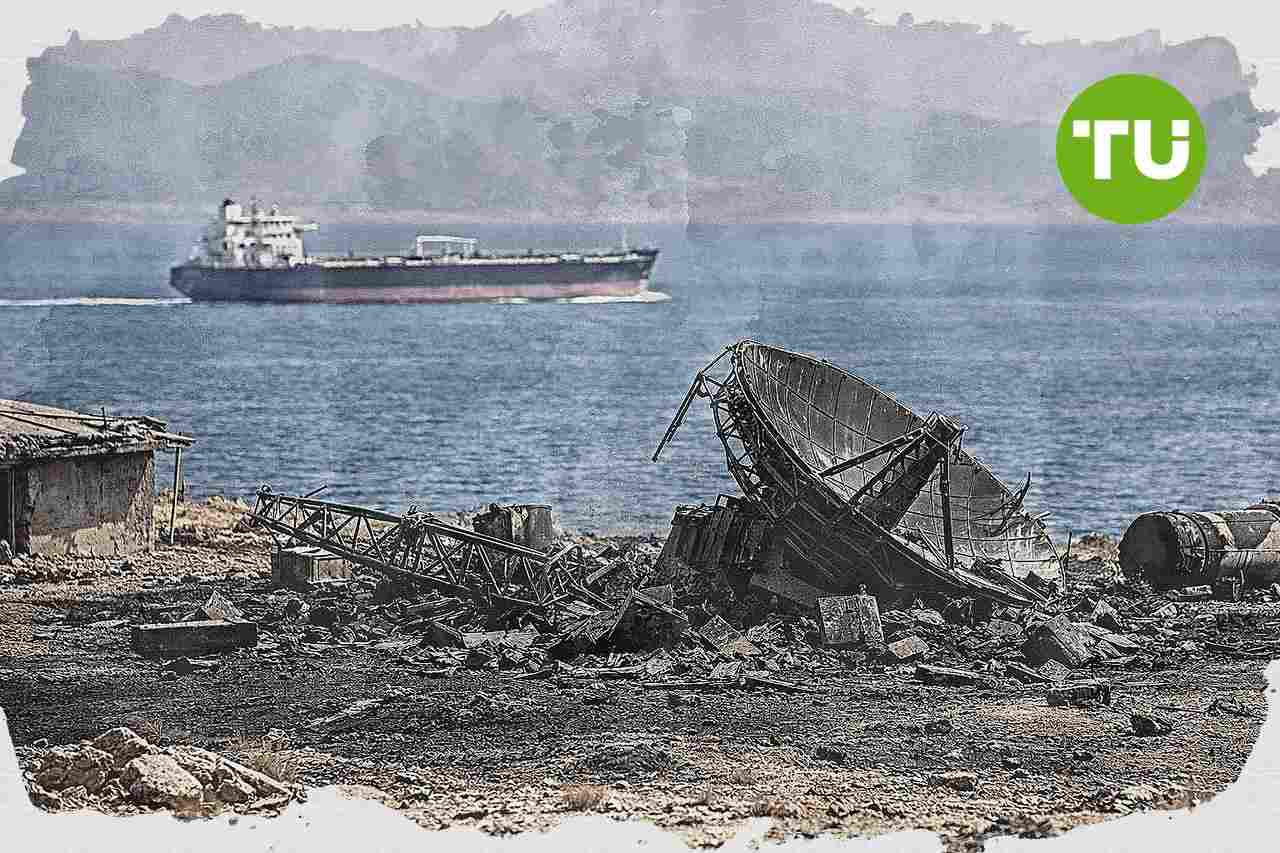
With air strikes between the U.S. and Iran resuming over the weekend, diplomatic prospects remain uncertain as tensions rise around the Strait of Hormuz. Trump says Tehran still wants an agreement, framing a potential deal as beneficial for the U.S. and its allies while criticizing domestic opponents.
Highlights
- Trump stated on Monday that Iran 'really wants to make a deal' and asserted negotiations would benefit the U.S.A. and allies.
- Bipartisan U.S. political pressure intensifies as Trump criticizes opponents for complicating negotiations, warning of possible impacts on talks' timing and outcomes.
- Military exchanges over the weekend near the Strait of Hormuz—handling about 20% of global oil traffic—raise regional security risks and could disrupt energy markets.
Conflict backdrop and Trump's latest remarks
As reported by CNBC, Trump said in a Truth Social post on Monday that Iran "really wants to make a deal" and that any agreement would be a good one for the U.S.A. and countries aligned with Washington.He also attacked critics at home, saying political opponents and some Republicans are making negotiations harder by publicly urging him to move faster, slower, or toward war. Trump added that the situation will work out well in the end.
Military exchanges raise regional and oil market stakes
The renewed comments come as military action between the U.S. and Iran intensifies over the weekend, with both sides saying they hit military targets near the Strait of Hormuz. The waterway is strategically important because it typically handles about 20% of global oil traffic.The U.S. Central Command says it conducts "self-defense strikes" on Iranian radar and drone command-and-control sites in Goruk and on Qeshm Island. Iran's Islamic Revolutionary Guard Corps says it targets an air base used in the U.S. attack in retaliation, underscoring the risk that the confrontation could continue to affect regional security and energy markets.
In our earlier report on Singapore’s energy trading network under strain from the Middle East war, we explained how the city-state is working to keep oil and refined products moving across Asia despite having no domestic production. We noted that any prolonged disruption or closure of the Strait of Hormuz could tighten supply chains, pressure refinery and bunker fuel inventories, and increase the risk of renewed oil price spikes.



Latest DGSFP News







-
 Afghanistan
-
 Albania
-
 Algeria
-
 Angola
-
 Argentina
-
 Armenia
-
 Australia
-
 Austria
-
 Azerbaijan
-
 Bahamas
-
 Bahrain
-
 Bangladesh
-
 Belarus
-
 Belgium
-
 Bolivia
-
 Botswana
-
 Brazil
-
 Brunei
-
 Bulgaria
-
 Cambodia
-
 Cameroon
-
 Canada
-
 Chile
Chile
-
 China
China
-
 Colombia
-
 Congo
Congo
-
 Costa Rica
-
 Cote d'Ivoire
-
 Croatia
-
 Cuba
Cuba
-
 Cyprus
-
 Czechia
-
 DR Congo
-
 Denmark
-
 Dominican Republic
-
 Ecuador
-
 Egypt
Egypt
-
 El Salvador
-
 Estonia
-
 Eswatini
-
 Ethiopia
-
 Finland
-
 France
-
 Georgia
-
 Germany
-
 Ghana
Ghana
-
 Greece
-
 Haiti
Haiti
-
 Hong Kong
-
 Hungary
-
 India
India
-
 Indonesia
-
 Iran, Islamic republic
-
 Iraq
Iraq
-
 Ireland
-
 Israel
-
 Italy
Italy
-
 Jamaica
-
 Japan
Japan
-
 Jordan
-
 Kazakhstan
-
 Kenya
Kenya
-
 Korea
Korea
-
 Kuwait
-
 Kyrgyzstan
-
 Laos
Laos
-
 Latvia
-
 Lebanon
-
 Lesotho
-
 Libya
Libya
-
 Lithuania
-
 Luxembourg
-
 Madagascar
-
 Malaysia
-
 Malta
Malta
-
 Mauritius
-
 Mexico
-
 Moldova
-
 Mongolia
-
 Montenegro
-
 Morocco
-
 Mozambique
-
 Myanmar
-
 Namibia
-
 Nepal
Nepal
-
 Netherlands
-
 New Zealand
-
 Nigeria
-
 North Macedonia
-
 Norway
-
 Oman
Oman
-
 Pakistan
-
 Palestine
-
 Panama
-
 Papua New Guinea
-
 Paraguay
-
 Peru
Peru
-
 Philippines
-
 Poland
-
 Portugal
-
 Puerto Rico
-
 Qatar
Qatar
-
 Reunion
-
 Romania
-
 Rwanda
-
 Saudi Arabia
-
 Serbia
-
 Singapore
-
 Slovakia
-
 Slovenia
-
 Somalia
-
 South Africa
-
 Spain
Spain
-
 Sri Lanka
-
 Sweden
-
 Switzerland
-
 Syria
Syria
-
 Taiwan
-
 Tajikistan
-
 Tanzania
-
 Thailand
-
 Trinidad and Tobago
-
 Tunisia
-
 Turkey
-
 UAE
UAE
-
 Uganda
-
 Ukraine
-
 United Kingdom
-
United States
-
 Uruguay
-
 Uzbekistan
-
 Venezuela
-
 Vietnam
-
 Yemen
Yemen
-
 Zambia
-
 Zimbabwe
- Forex
- Crypto











