
Energy shock pushes eurozone inflation to 3.2%
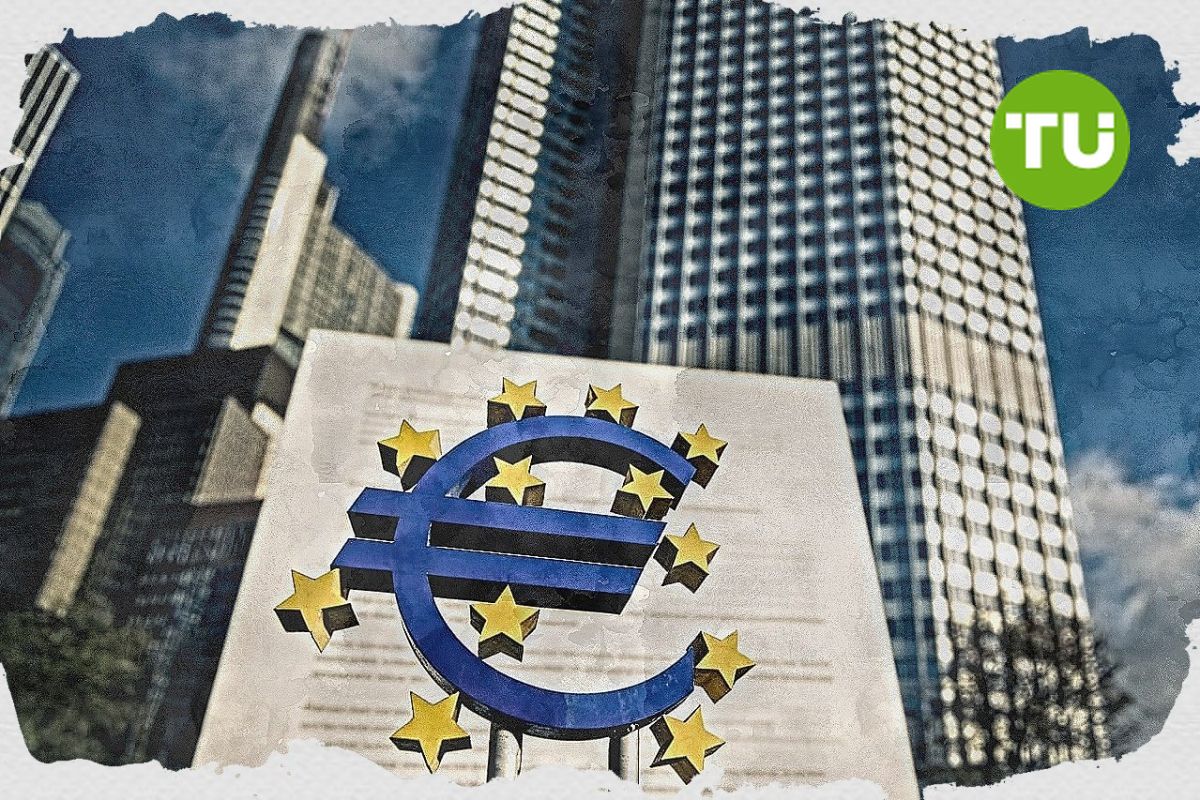
Eurozone inflation rose above 3% in May for the first time since 2023, strengthening expectations that the European Central Bank will raise interest rates next week. The increase was driven largely by energy costs, showing how the U.S.-Iran war is feeding into European prices through oil and gas markets.
Highlights
- Eurozone inflation rose to 3.2% in May from 3% in April.
- Energy prices were the main driver, rising 10.9% year on year.
- Services inflation accelerated to 3.5%, adding concern about broader price pressure.
- Markets now expect the ECB to raise rates by 25 basis points next week.
Energy pushes inflation higher
According to Bloomberg, consumer prices in the eurozone rose 3.2% from a year earlier in May, up from 3% in April and in line with economists’ forecasts. Energy remained the main source of pressure, with prices up 10.9% year on year, while services inflation rose to 3.5% from 3% in April. Food, alcohol, and tobacco inflation cooled to 2% from 2.4%.
The increase leaves inflation well above the ECB’s 2% medium-term target. The central bank has said that target applies to the euro area as a whole and is measured through the Harmonised Index of Consumer Prices.
Rate hike expectations harden
The data are likely to reinforce expectations for a 25-basis-point rate increase at the ECB’s next meeting. Markets were pricing in roughly a 94% chance of such a move, according to LSEG data cited in the provided report.
Inflation varied widely across the bloc. Germany’s annual rate eased to 2.7% from 2.9%, while France rose to 2.8% from 2.5%. Lithuania climbed above 5%, and Greece was also reported above that level, underscoring how uneven the energy shock remains across the region.
Energy dependence narrows the ECB’s choices
The latest inflation data matter because Europe remains highly exposed to imported energy costs. Oil and gas prices have stayed elevated since the U.S.-Iran war disrupted supply routes and increased concern over shipments through the Strait of Hormuz.
For the ECB, the challenge is that inflation is rising while growth remains fragile. Higher rates may help restrain prices and protect credibility, but they could also weigh on households, borrowing costs, and business investment. The euro was little changed near $1.164 after the report, while Germany’s 10-year bund yield fell by 6 basis points, suggesting investors still see growth risks alongside the inflation problem.
It was earlier reported that eurozone inflation expectations cooled, but an ECB rate hike remains likely.


Latest ECB News






-
 Afghanistan
-
 Albania
-
 Algeria
-
 Angola
-
 Argentina
-
 Armenia
-
 Australia
-
 Austria
-
 Azerbaijan
-
 Bahamas
-
 Bahrain
-
 Bangladesh
-
 Belarus
-
 Belgium
-
 Bolivia
-
 Botswana
-
 Brazil
-
 Brunei
-
 Bulgaria
-
 Cambodia
-
 Cameroon
-
 Canada
-
 Chile
Chile
-
 China
China
-
 Colombia
-
 Congo
Congo
-
 Costa Rica
-
 Cote d'Ivoire
-
 Croatia
-
 Cuba
Cuba
-
 Cyprus
-
 Czechia
-
 DR Congo
-
 Denmark
-
 Dominican Republic
-
 Ecuador
-
 Egypt
Egypt
-
 El Salvador
-
 Estonia
-
 Eswatini
-
 Ethiopia
-
 Finland
-
 France
-
 Georgia
-
 Germany
-
 Ghana
Ghana
-
 Greece
-
 Haiti
Haiti
-
 Hong Kong
-
 Hungary
-
 India
India
-
 Indonesia
-
 Iran, Islamic republic
-
 Iraq
Iraq
-
 Ireland
-
 Israel
-
 Italy
Italy
-
 Jamaica
-
 Japan
Japan
-
 Jordan
-
 Kazakhstan
-
 Kenya
Kenya
-
 Korea
Korea
-
 Kuwait
-
 Kyrgyzstan
-
 Laos
Laos
-
 Latvia
-
 Lebanon
-
 Lesotho
-
 Libya
Libya
-
 Lithuania
-
 Luxembourg
-
 Madagascar
-
 Malaysia
-
 Malta
Malta
-
 Mauritius
-
 Mexico
-
 Moldova
-
 Mongolia
-
 Montenegro
-
 Morocco
-
 Mozambique
-
 Myanmar
-
 Namibia
-
 Nepal
Nepal
-
 Netherlands
-
 New Zealand
-
 Nigeria
-
 North Macedonia
-
 Norway
-
 Oman
Oman
-
 Pakistan
-
 Palestine
-
 Panama
-
 Papua New Guinea
-
 Paraguay
-
 Peru
Peru
-
 Philippines
-
 Poland
-
 Portugal
-
 Puerto Rico
-
 Qatar
Qatar
-
 Reunion
-
 Romania
-
 Rwanda
-
 Saudi Arabia
-
 Serbia
-
 Singapore
-
 Slovakia
-
 Slovenia
-
 Somalia
-
 South Africa
-
 Spain
Spain
-
 Sri Lanka
-
 Sweden
-
 Switzerland
-
 Syria
Syria
-
 Taiwan
-
 Tajikistan
-
 Tanzania
-
 Thailand
-
 Trinidad and Tobago
-
 Tunisia
-
 Turkey
-
 UAE
UAE
-
 Uganda
-
 Ukraine
-
 United Kingdom
-
United States
-
 Uruguay
-
 Uzbekistan
-
 Venezuela
-
 Vietnam
-
 Yemen
Yemen
-
 Zambia
-
 Zimbabwe
- Forex
- Crypto











