
ECB links green transition to lower euro area inflation risks
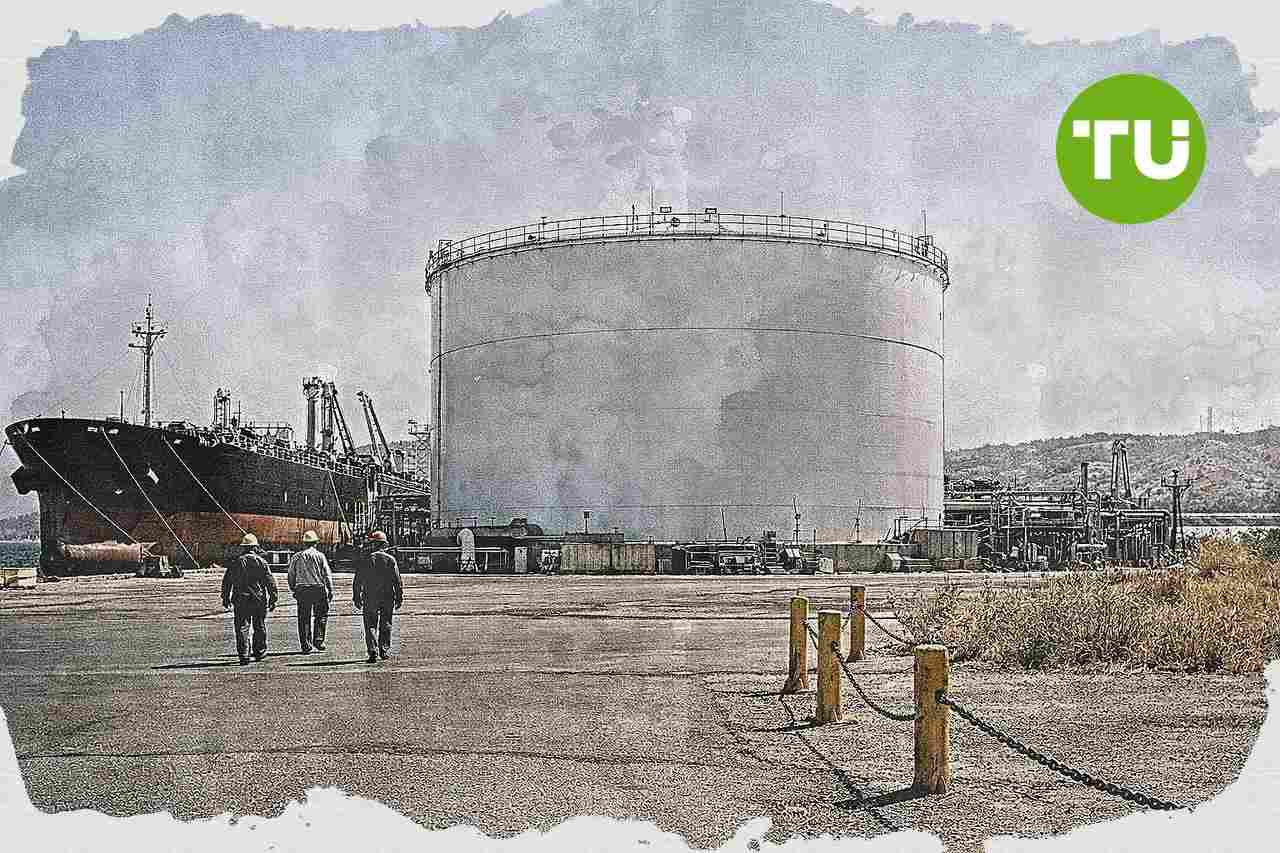
Europe's exposure to imported fossil fuels is continuing to amplify inflation volatility and economic uncertainty in the euro area as geopolitical conflict and climate shocks affect energy and food prices. The European Central Bank says a faster transition to net zero can reduce those pressures, but only if it is supported by a broader policy mix that keeps the shift orderly and relatively low-cost.
Highlights
- June Eurosystem staff projections revise euro area growth down and inflation up for 2026 and 2027 due to persistent energy and geopolitical pressures.
- ECB cites research showing European companies reduce capital and R&D spending after oil shocks, in contrast with U.S. firms, due to heavier fossil fuel dependence.
- ECB warns climate-driven food price spikes could add up to 1.8 percentage points to inflation after extreme summers, urging green transition to lower long-term inflation volatility.
Euro area outlook faces energy and climate pressures
As outlined in a speech by the European Central Bank, the euro area remains vulnerable to oil price shocks, supply threats and wider uncertainty because of its continued reliance on imported fossil fuels.The ECB says the war in the Middle East is pushing up oil prices again and is weighing on the region's economic prospects, though the resulting energy shock is so far less severe than the crisis that followed Russia's invasion of Ukraine. In the June Eurosystem staff projections, the baseline outlook for growth is revised down for 2026 and 2027, while inflation is revised up over the same period compared with the March projections.
The central bank also notes that the baseline only captures one possible effect of the conflict, with other scenarios pointing to either much more severe or milder macroeconomic outcomes. That uncertainty is complicating policymaking as well as decisions by companies and households, while higher input costs and weaker demand are weighing on consumption and investment.
ECB research cited in the speech finds that European companies cut capital spending and research and development after oil price shocks. By contrast, U.S. companies do not typically react in the same way, reflecting in part the European economy's heavier dependence on imported fossil fuels.
Green transition seen as buffer for price stability
Climate change is also increasingly affecting food prices, with recent spikes in products such as olive oil, cocoa and coffee linked to historically unprecedented weather extremes. The speech says the impact of heatwaves on food prices is non-linear and becomes larger at higher absolute temperatures.A recent study cited by the ECB finds that food prices in Europe could rise by as much as 1.8 percentage points after an extreme summer under climate conditions expected in the 2060s, compared with a hypothetical scenario without climate change. The bank says central banks need to account for ongoing climate and nature crises in inflation forecasts or risk underestimating inflationary pressures.
The speech also warns that lower economic activity and higher unemployment in sectors exposed to climate and nature shocks can weaken the ability of businesses and households to repay loans, increasing default risks for banks and potentially reducing access to new credit. Against that backdrop, the ECB argues that accelerating the green transition can deliver economic, environmental and social benefits by cutting Europe's dependence on imported fossil fuels, reducing future climate damage and helping lower inflation volatility over time.
Europe’s record June heatwave highlighted how climate extremes are already disrupting power supplies, transport, workplaces and public health, exposing gaps in the region’s adaptation readiness. Our earlier coverage also pointed to the mounting economic costs of heat-related events and the policy imbalance in EU spending that still favors emissions cuts over adaptation, leaving businesses with fewer incentives to prepare for more frequent extreme weather.


Latest Europe News





-
 Afghanistan
-
 Albania
-
 Algeria
-
 Angola
-
 Argentina
-
 Armenia
-
 Australia
-
 Austria
-
 Azerbaijan
-
 Bahamas
-
 Bahrain
-
 Bangladesh
-
 Belarus
-
 Belgium
-
 Bolivia
-
 Botswana
-
 Brazil
-
 Brunei
-
 Bulgaria
-
 Cambodia
-
 Cameroon
-
 Canada
-
 Chile
Chile
-
 China
China
-
 Colombia
-
 Congo
Congo
-
 Costa Rica
-
 Cote d'Ivoire
-
 Croatia
-
 Cuba
Cuba
-
 Cyprus
-
 Czechia
-
 DR Congo
-
 Denmark
-
 Dominican Republic
-
 Ecuador
-
 Egypt
Egypt
-
 El Salvador
-
 Estonia
-
 Eswatini
-
 Ethiopia
-
 Finland
-
 France
-
 Georgia
-
 Germany
-
 Ghana
Ghana
-
 Greece
-
 Haiti
Haiti
-
 Hong Kong
-
 Hungary
-
 India
India
-
 Indonesia
-
 Iran, Islamic republic
-
 Iraq
Iraq
-
 Ireland
-
 Israel
-
 Italy
Italy
-
 Jamaica
-
 Japan
Japan
-
 Jordan
-
 Kazakhstan
-
 Kenya
Kenya
-
 Korea
Korea
-
 Kuwait
-
 Kyrgyzstan
-
 Laos
Laos
-
 Latvia
-
 Lebanon
-
 Lesotho
-
 Libya
Libya
-
 Lithuania
-
 Luxembourg
-
 Madagascar
-
 Malaysia
-
 Malta
Malta
-
 Mauritius
-
 Mexico
-
 Moldova
-
 Mongolia
-
 Montenegro
-
 Morocco
-
 Mozambique
-
 Myanmar
-
 Namibia
-
 Nepal
Nepal
-
 Netherlands
-
 New Zealand
-
 Nigeria
-
 North Macedonia
-
 Norway
-
 Oman
Oman
-
 Pakistan
-
 Palestine
-
 Panama
-
 Papua New Guinea
-
 Paraguay
-
 Peru
Peru
-
 Philippines
-
 Poland
-
 Portugal
-
 Puerto Rico
-
 Qatar
Qatar
-
 Reunion
-
 Romania
-
 Rwanda
-
 Saudi Arabia
-
 Serbia
-
 Singapore
-
 Slovakia
-
 Slovenia
-
 Somalia
-
 South Africa
-
 Spain
Spain
-
 Sri Lanka
-
 Sweden
-
 Switzerland
-
 Syria
Syria
-
 Taiwan
-
 Tajikistan
-
 Tanzania
-
 Thailand
-
 Trinidad and Tobago
-
 Tunisia
-
 Turkey
-
 UAE
UAE
-
 Uganda
-
 Ukraine
-
 United Kingdom
-
United States
-
 Uruguay
-
 Uzbekistan
-
 Venezuela
-
 Vietnam
-
 Yemen
Yemen
-
 Zambia
-
 Zimbabwe
- Forex
- Crypto












