
Eurozone inflation expectations cool but ECB rate hike remains likely
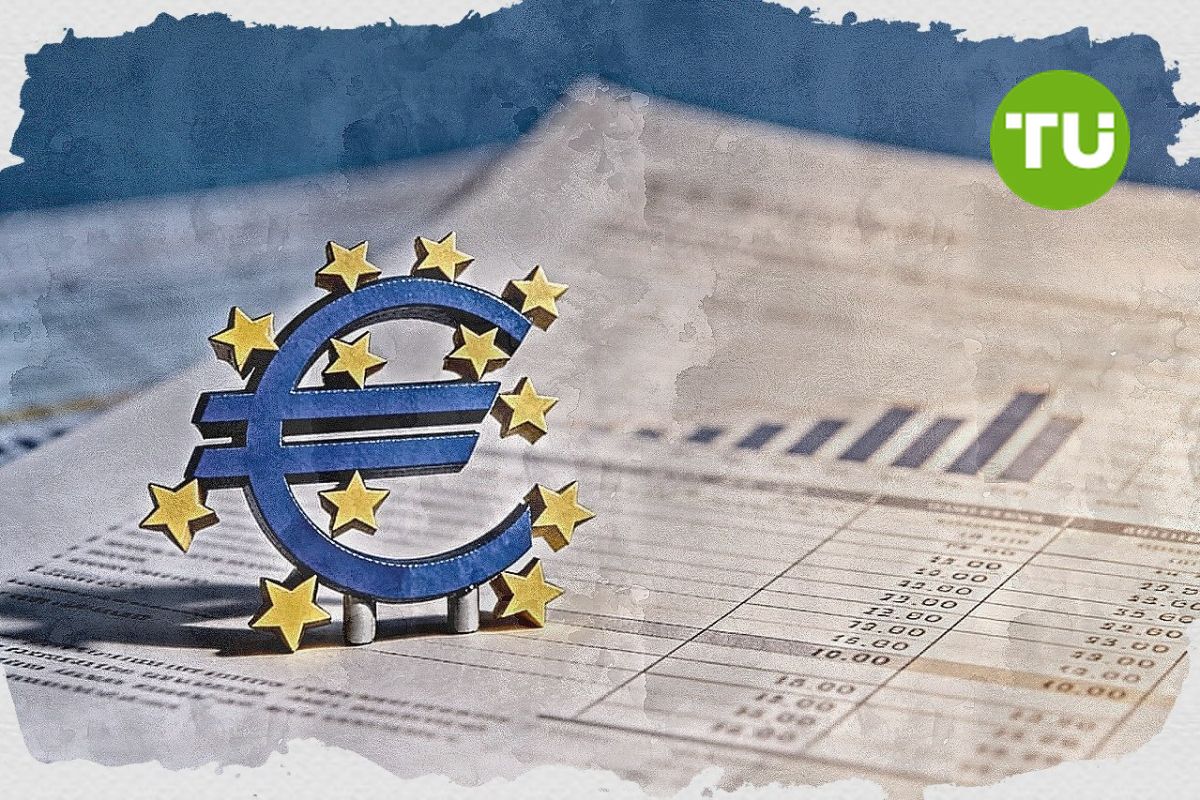
Euro-area consumers slightly lowered their medium-term inflation expectations in April, giving the European Central Bank limited relief before a likely rate decision next week. At the same time, the European Union is preparing tax simplification measures designed to cut business compliance costs and improve competitiveness.
Highlights
- Euro-area three-year inflation expectations eased to 2.9% in April from 3% in March.
- The ECB is still expected to raise rates next week, with markets looking for a move to 2.25%.
- The EU is preparing tax simplification measures that could cut business compliance costs by €7 billion a year.
Inflation expectations edge lower
According to Bloomberg, consumers expect prices to rise 2.9% over the next three years, down from 3% in March, according to the ECB’s monthly Consumer Expectations Survey. The reading remains elevated, however, and is still close to the 3.1% peak reached during the last major inflation surge in October 2022. One-year inflation expectations were unchanged at 4%, while five-year expectations held at 2.4%, suggesting households still see price pressures staying above the ECB’s 2% target for some time.
The survey also showed a slightly weaker economic outlook. Consumers expected the euro-area economy to contract 2.2% over the next 12 months, compared with a 2.1% decline expected in March, while unemployment expectations eased to 11.2% from 11.3%.
Rate increase still on the table
The small decline in three-year inflation expectations is unlikely to remove pressure on the ECB. At its April meeting, the central bank left its key interest rate unchanged at 2%, but several policymakers were open to a rate increase, according to the ECB account cited by The Wall Street Journal. Investors now expect the ECB to raise the rate to 2.25% at its June 11 meeting.
The policy dilemma remains narrow: inflation expectations are no longer accelerating, but they are not yet fully anchoredat thet target. Higher energy prices and resilient price pressures are keeping policymakers cautious, even as growth expectations remain weak.
EU looks to cut tax red tape
Separately, the European Commission is preparing tax simplification proposals aimed at reducing bureaucracy for companies. A draft plan seen by Bloomberg would seek to lower annual tax compliance costs by about €7 billion, or roughly $8.17 billion.
The move fits into a broader EU simplification agenda. The Commission says it wants to cut recurring administrative costs by €37.5 billion by the end of its 2024-2029 mandate and has set targets to reduce administrative burdens by at least 25% for all businesses and 35% for small and midsize companies.
Policy relief, but not a turning point
The latest data offer the ECB some evidence that inflation expectations are easing, but not enough to signal that price risks have passed.
For businesses, the EU’s tax plan could provide a more direct benefit: lower compliance costs at a time when weak growth, higher borrowing costs and regulatory complexity remain major constraints.
In an earlier report, we noted that eurozone inflation keeps the ECB rate hike in focus.














-
 Afghanistan
-
 Albania
-
 Algeria
-
 Angola
-
 Argentina
-
 Armenia
-
 Australia
-
 Austria
-
 Azerbaijan
-
 Bahamas
-
 Bahrain
-
 Bangladesh
-
 Belarus
-
 Belgium
-
 Bolivia
-
 Botswana
-
 Brazil
-
 Brunei
-
 Bulgaria
-
 Cambodia
-
 Cameroon
-
 Canada
-
 Chile
Chile
-
 China
China
-
 Colombia
-
 Congo
Congo
-
 Costa Rica
-
 Cote d'Ivoire
-
 Croatia
-
 Cuba
Cuba
-
 Cyprus
-
 Czechia
-
 DR Congo
-
 Denmark
-
 Dominican Republic
-
 Ecuador
-
 Egypt
Egypt
-
 El Salvador
-
 Estonia
-
 Eswatini
-
 Ethiopia
-
 Finland
-
 France
-
 Georgia
-
 Germany
-
 Ghana
Ghana
-
 Greece
-
 Haiti
Haiti
-
 Hong Kong
-
 Hungary
-
 India
India
-
 Indonesia
-
 Iran, Islamic republic
-
 Iraq
Iraq
-
 Ireland
-
 Israel
-
 Italy
Italy
-
 Jamaica
-
 Japan
Japan
-
 Jordan
-
 Kazakhstan
-
 Kenya
Kenya
-
 Korea
Korea
-
 Kuwait
-
 Kyrgyzstan
-
 Laos
Laos
-
 Latvia
-
 Lebanon
-
 Lesotho
-
 Libya
Libya
-
 Lithuania
-
 Luxembourg
-
 Madagascar
-
 Malaysia
-
 Malta
Malta
-
 Mauritius
-
 Mexico
-
 Moldova
-
 Mongolia
-
 Montenegro
-
 Morocco
-
 Mozambique
-
 Myanmar
-
 Namibia
-
 Nepal
Nepal
-
 Netherlands
-
 New Zealand
-
 Nigeria
-
 North Macedonia
-
 Norway
-
 Oman
Oman
-
 Pakistan
-
 Palestine
-
 Panama
-
 Papua New Guinea
-
 Paraguay
-
 Peru
Peru
-
 Philippines
-
 Poland
-
 Portugal
-
 Puerto Rico
-
 Qatar
Qatar
-
 Reunion
-
 Romania
-
 Rwanda
-
 Saudi Arabia
-
 Serbia
-
 Singapore
-
 Slovakia
-
 Slovenia
-
 Somalia
-
 South Africa
-
 Spain
Spain
-
 Sri Lanka
-
 Sweden
-
 Switzerland
-
 Syria
Syria
-
 Taiwan
-
 Tajikistan
-
 Tanzania
-
 Thailand
-
 Trinidad and Tobago
-
 Tunisia
-
 Turkey
-
 UAE
UAE
-
 Uganda
-
 Ukraine
-
 United Kingdom
-
United States
-
 Uruguay
-
 Uzbekistan
-
 Venezuela
-
 Vietnam
-
 Yemen
Yemen
-
 Zambia
-
 Zimbabwe
- Forex
- Crypto












